The creation of Nambiti Private Game Reserve in KwaZulu-Natal is compelling conservation story – the transformation of tired cattle and maize farms into a thriving Big Five wilderness that now supports both biodiversity and meaningful rural development. WORDS Tessa Buhrmann
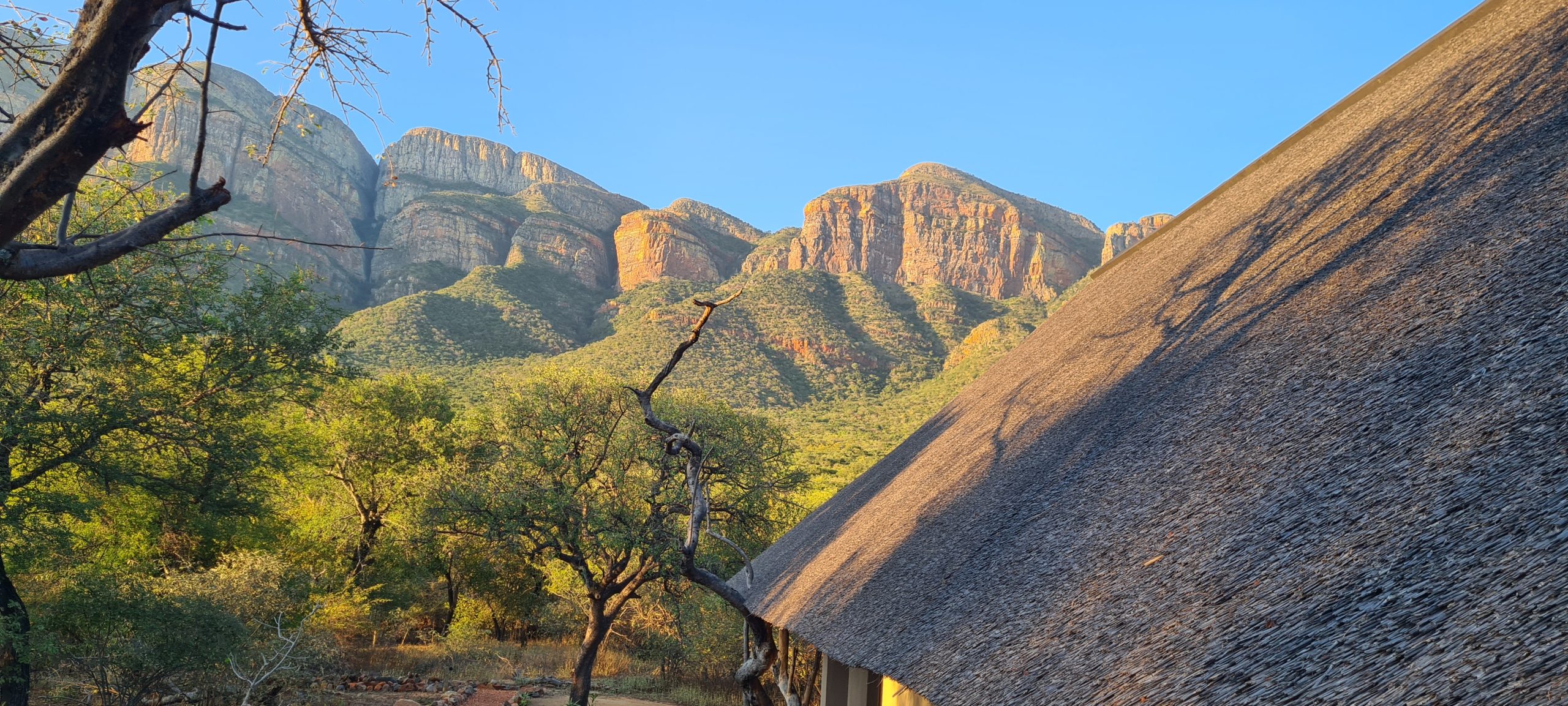
Driving through the reserve today, it’s almost impossible to imagine what came before. The rolling hills, thornveld and riverine bush feel whole again – the divisions of fences and fields barely visible.
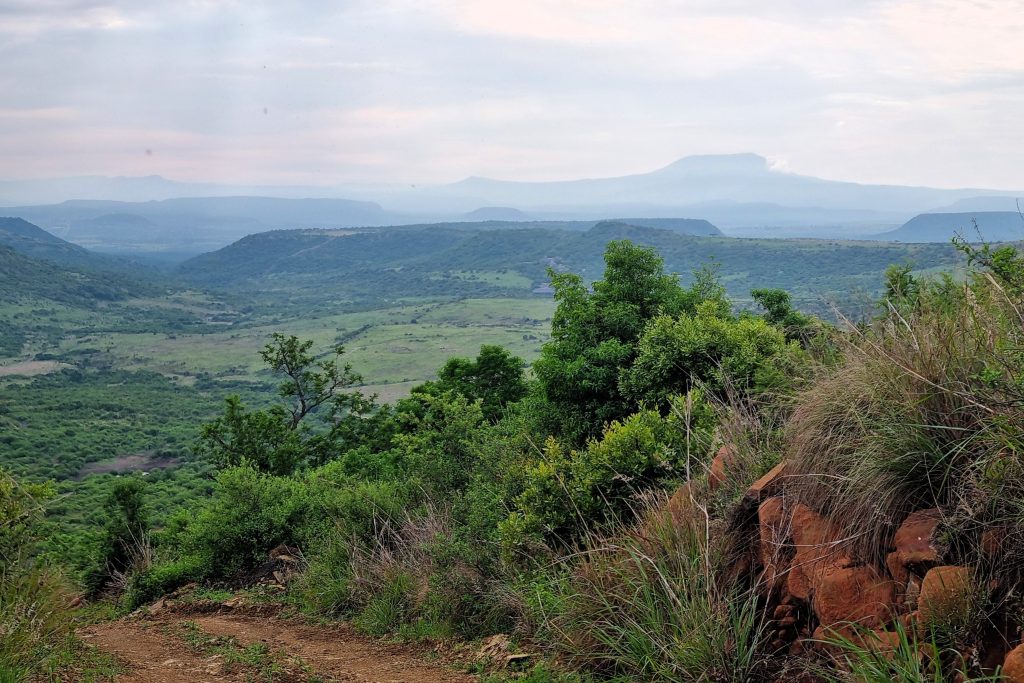
At the heart of this vision was Rob Le Sueur, who in the late 1990s saw potential in these rolling grasslands and riverine valleys near Ladysmith, where many others saw only depletion. The land, overgrazed and fragmented by decades of farming, held the promise of something more: a restored ecosystem where wildlife could return, and where tourism could create sustainable livelihoods for the surrounding communities.
It was, from the outset, an ambitious undertaking – one that required not only ecological restoration, but a long-term commitment to shared ownership and economic sustainability.
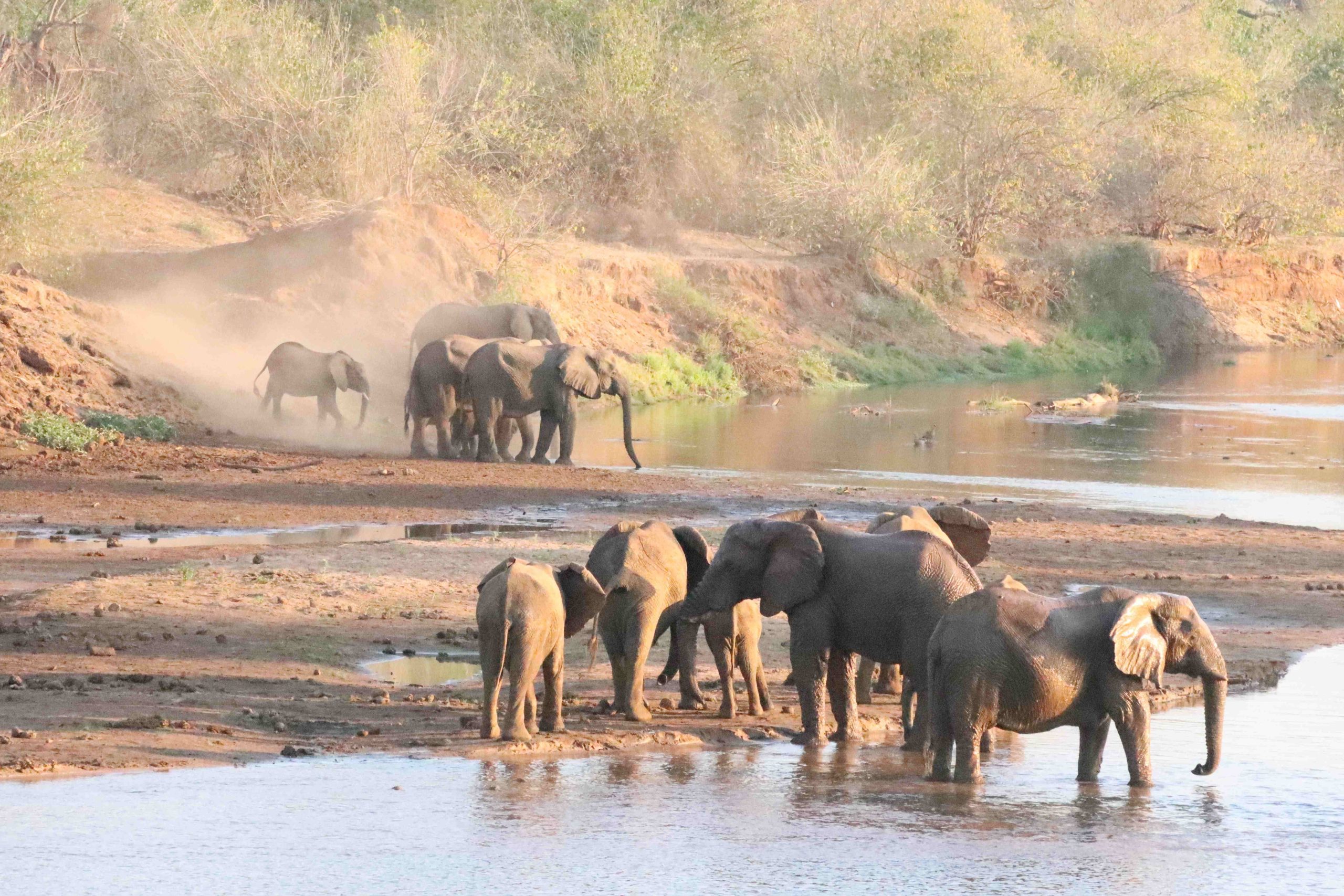
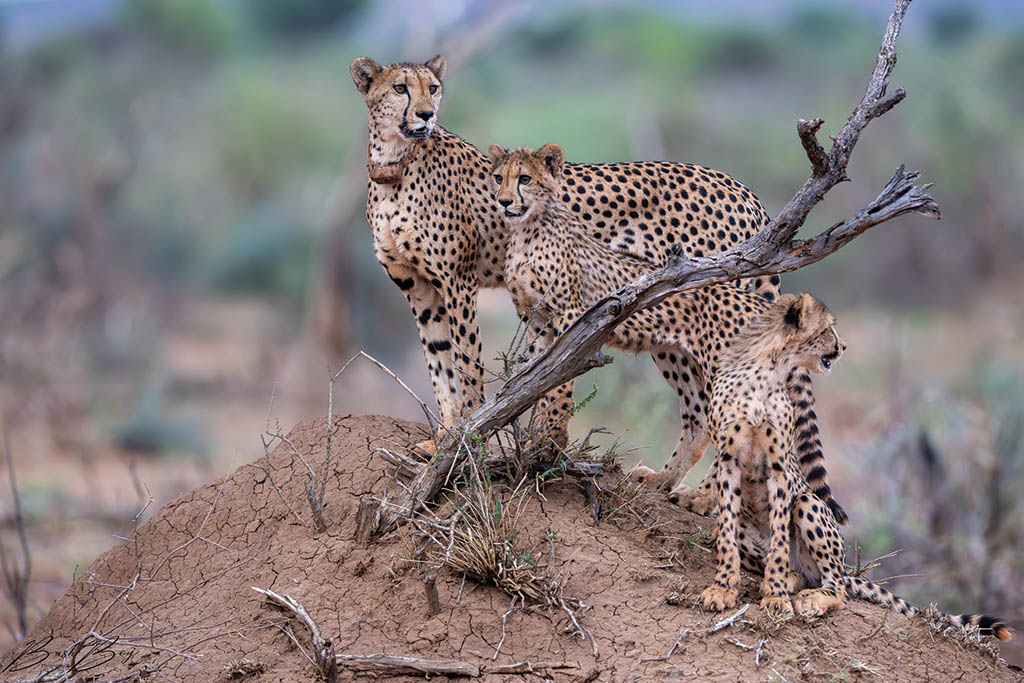
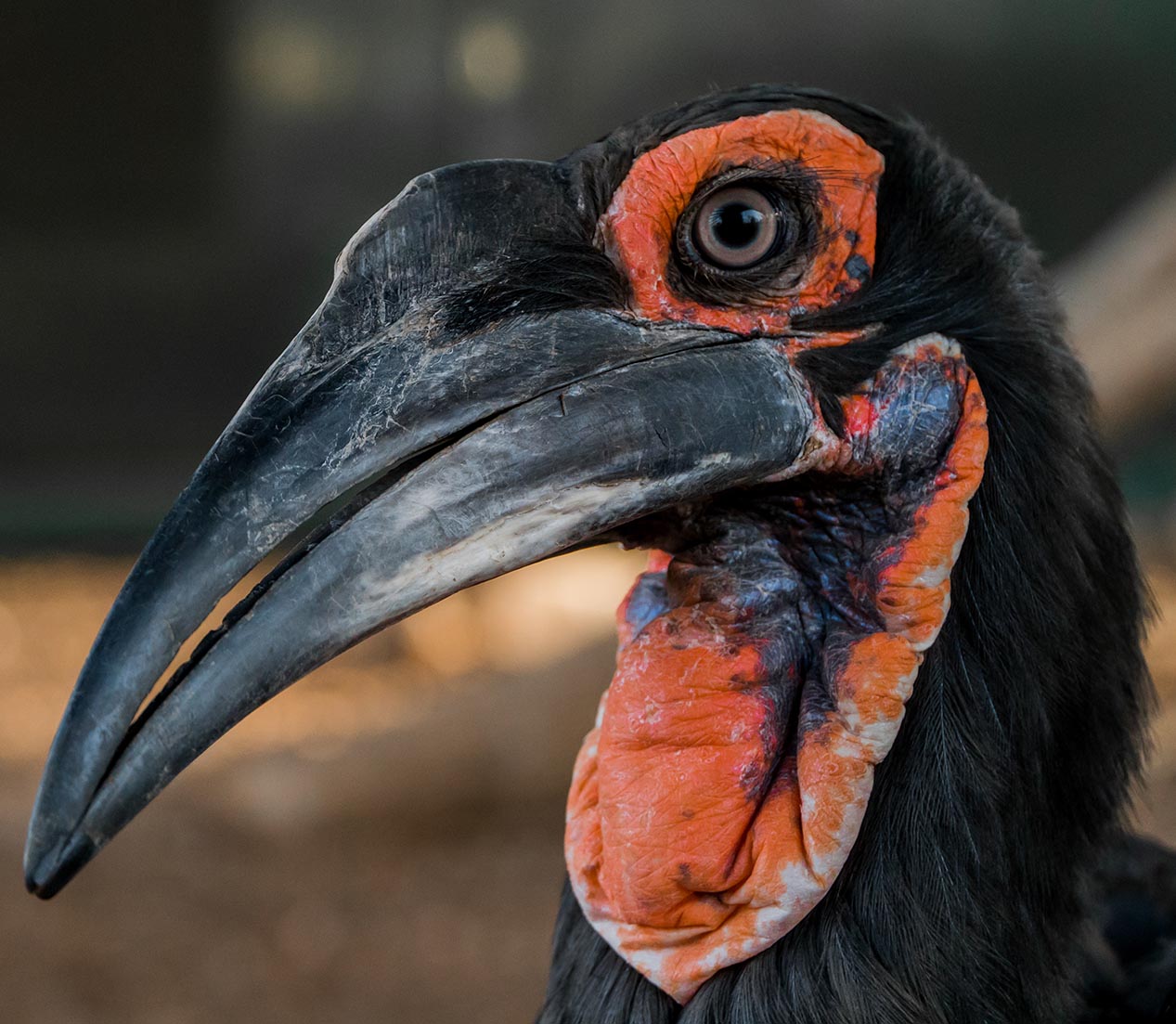
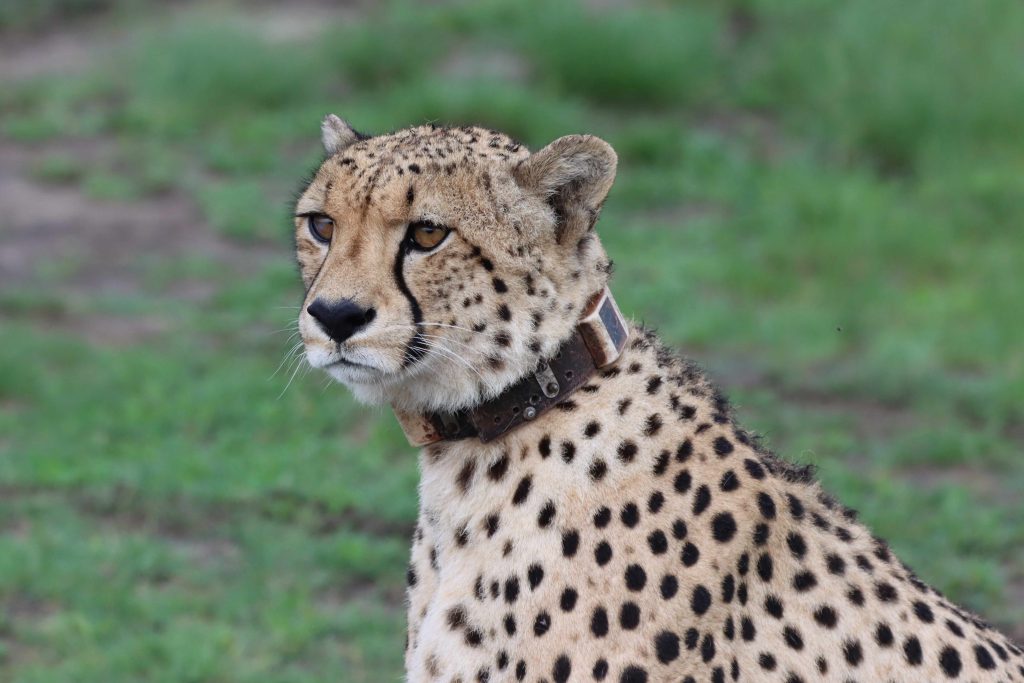
By 2000, multiple farms had been consolidated, fences dropped, and the slow work of renewal began. Indigenous species were reintroduced, habitats restored, and gradually, the rhythms of the wild returned. Today, more than 40 species roam freely here, from lion and elephant to cheetah, rhino and even African wild dog. A quiet testament to what can happen when land is given the chance to recover.
But perhaps the most meaningful part of Nambiti’s story lies not only in its wildlife, but in its people.
Following a successful land claim, ownership was transferred to the Senzo’kuhle Nkos’uNodada Communal Trust, ensuring the community became direct beneficiaries of the reserve’s success – with representation on the board and a meaningful voice in how the reserve is managed and maintained. Through a long-term lease agreement, the land remains protected while generating tangible income – a model that feels both progressive and necessary in the South African context.
This is where the lodges come in – not simply as places to stay, but as the economic heartbeat of the reserve. Each lodge operates independently, purchasing development rights and paying conservation and traversing fees that contribute to the management of the reserve and lease payments to the community. It’s a system that quietly underpins everything: anti-poaching efforts, habitat management, and the ongoing protection of the wildlife that draws visitors here.
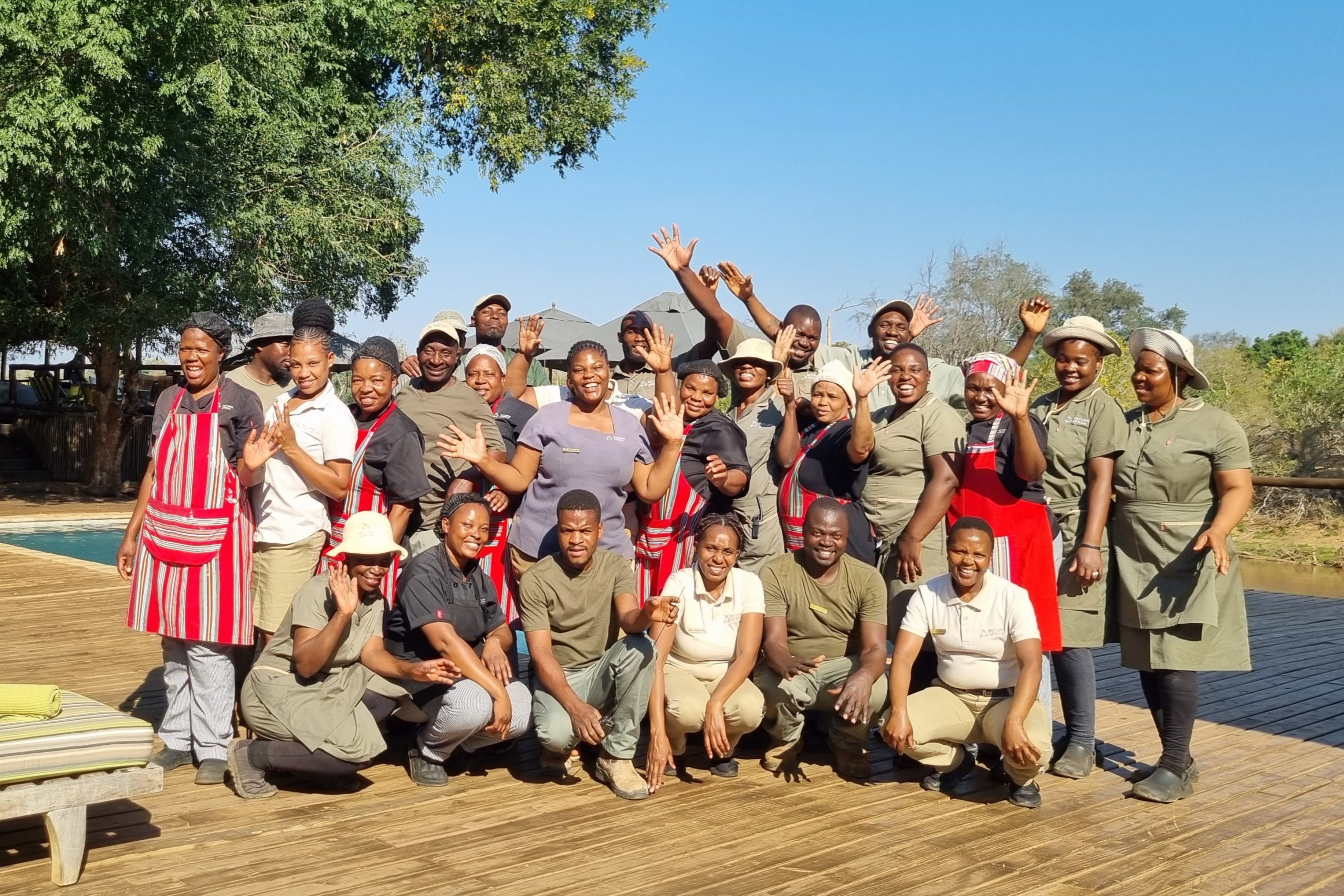
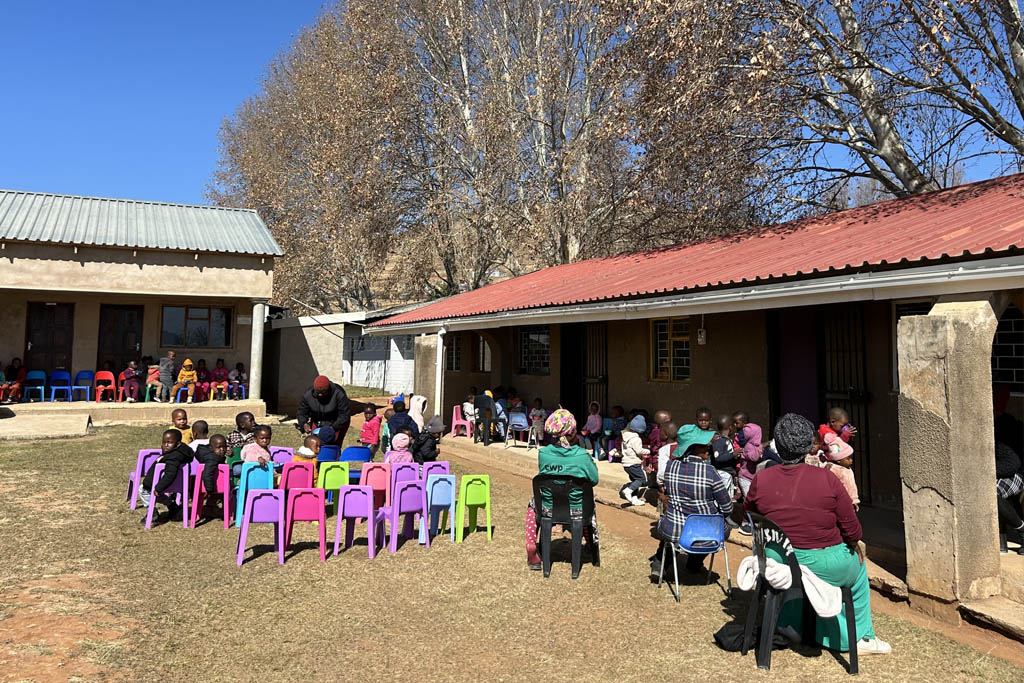
The impact is significant. Where once there were only a handful of agricultural jobs, Nambiti now supports more than 300 jobs across conservation and hospitality. From guides and trackers to chefs, housekeeping, spa therapists and management, there is a strong emphasis on employing from within beneficiary communities. Training and skills development create real pathways forward, something that feels both purposeful and lasting.
Beyond direct employment, tourism stimulates local supply chains, transport services and small businesses. The result is a diversified rural economy built around conservation rather than extractive land use – a living example of how land restitution and biodiversity protection can work hand in hand, to the extent that a local taxi owner now drives the Nambiti boundary at night, checking for potential poachers.
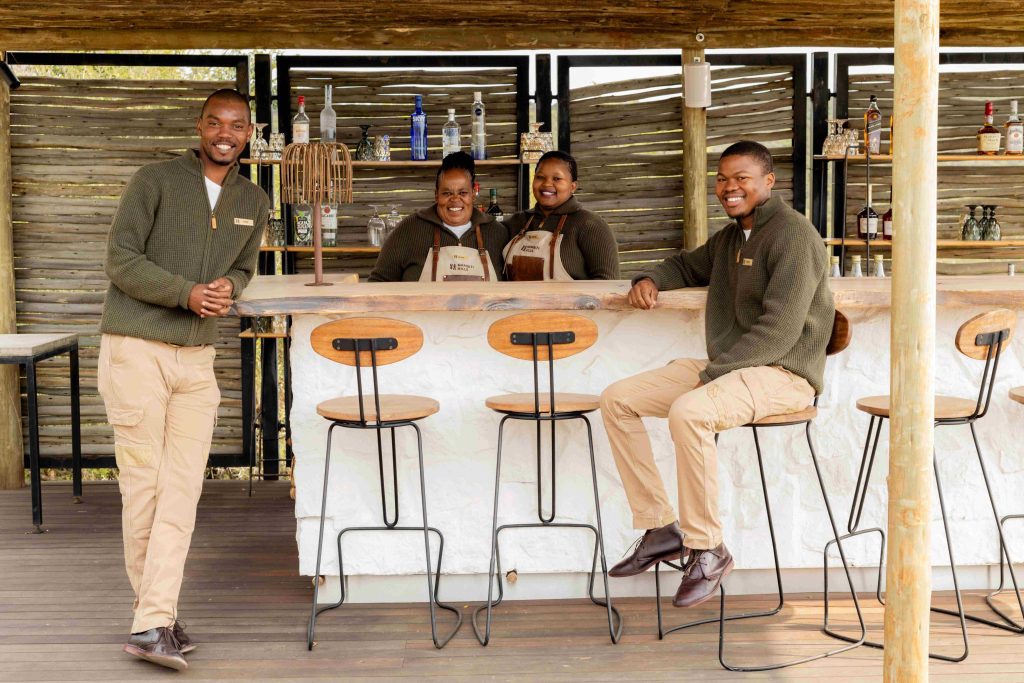
I experience this first-hand during our stay at Nambiti Hills,where the understated luxury feels entirely in tune with the landscape. Where the warmth of the welcome says as much about the place as the landscape itself. Each interaction feels genuine – a quiet reminder that tourism here is not abstract, but deeply personal.
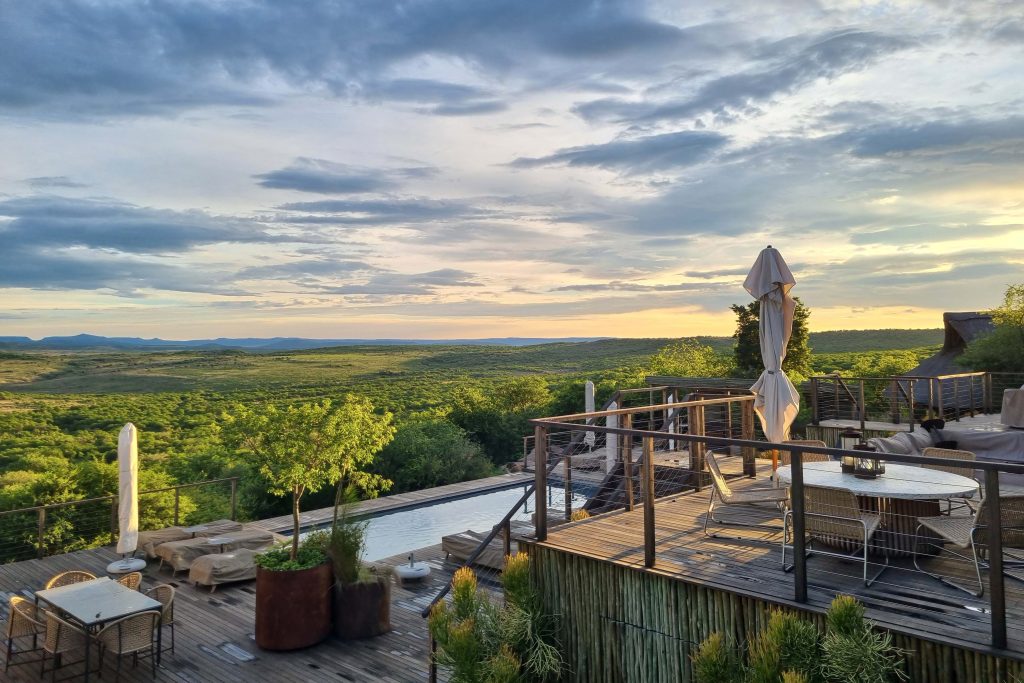
The lodge sits lightly on the land, positioned to take in sweeping views across the hills. Its design is calm and considered – clean lines, soft neutrals, vaulted thatch and subtle colonial touches that add a sense of quiet elegance. Glass-wrapped spaces dissolve the boundary between indoors and out, drawing your gaze outward, always back to the bush. The recent redesign by Michele Throssell has refined it beautifully, without losing that essential sense of place.
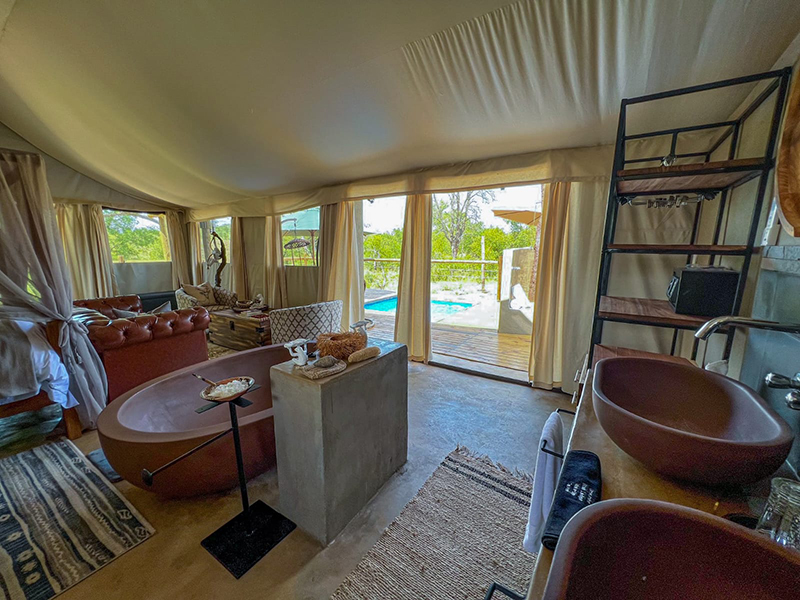
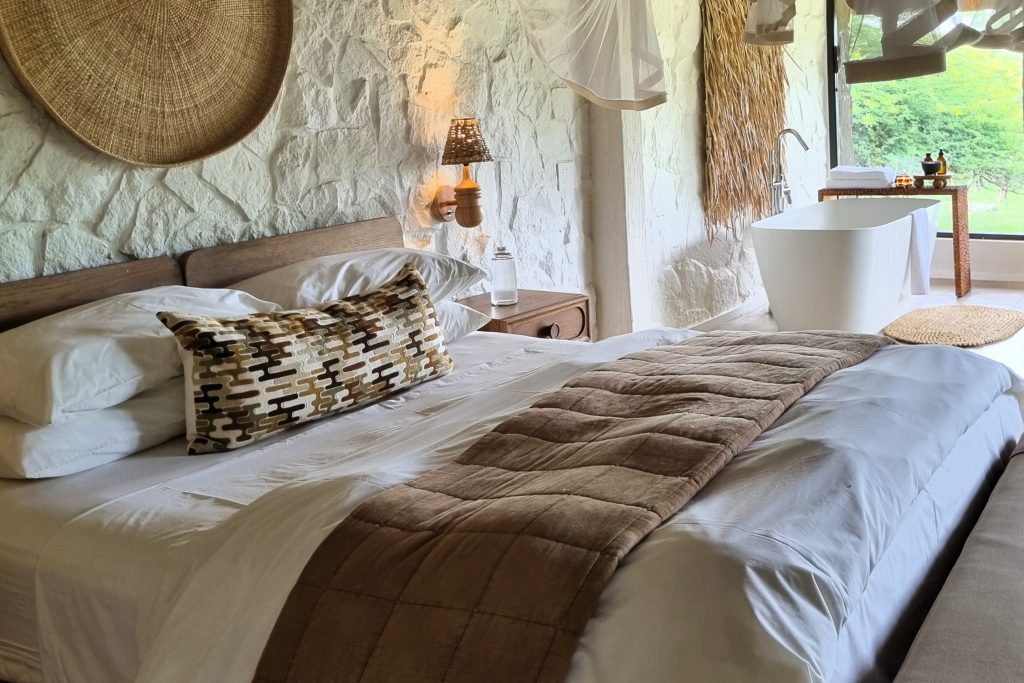
This modern, yet warm aesthetic continues in our suite, the spacious open-plan design – with free-standing bath – offering views through the wide glass doors to the bushveld beyond. It is a sanctuary away from the busyness of life, the perfect spot to relax with a book, have an afternoon nap or luxuriate with an in-room spa treatment. Absolute bliss.
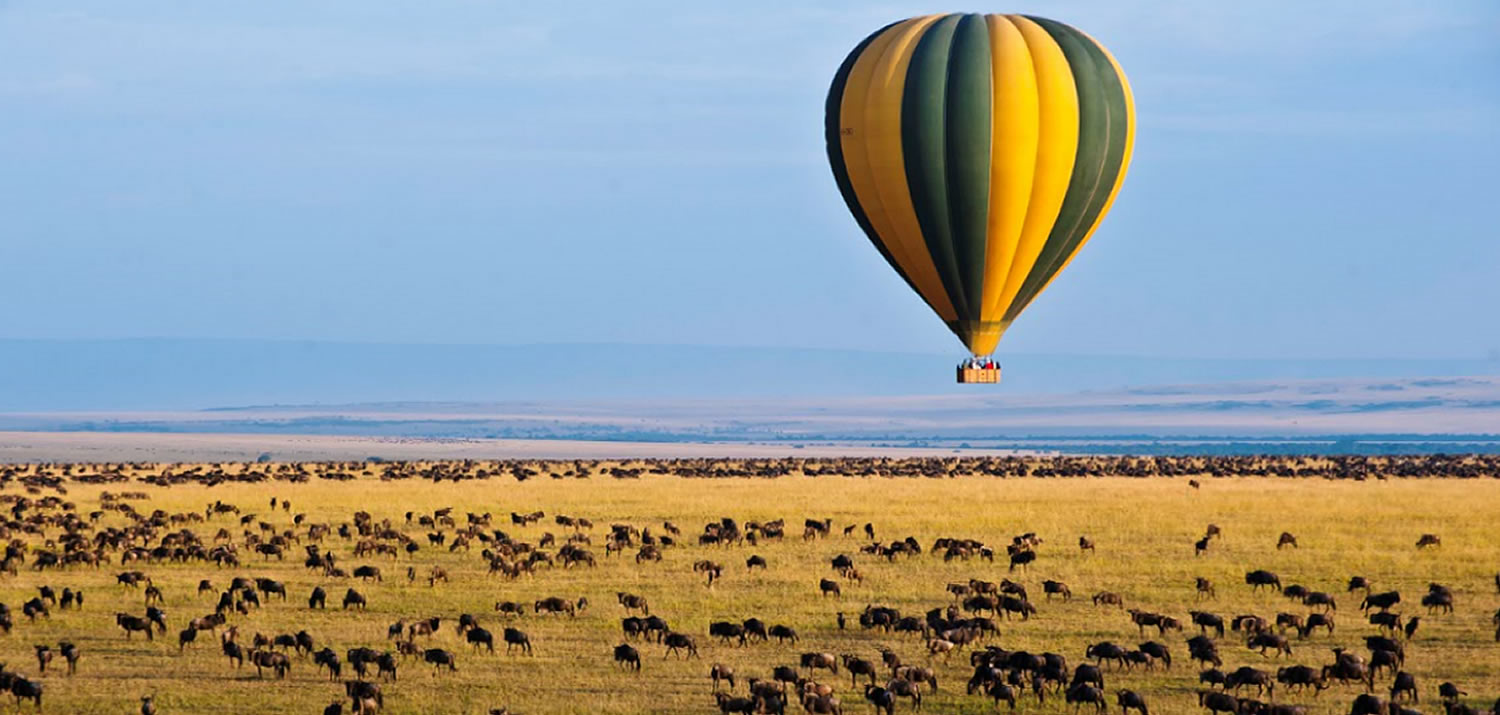
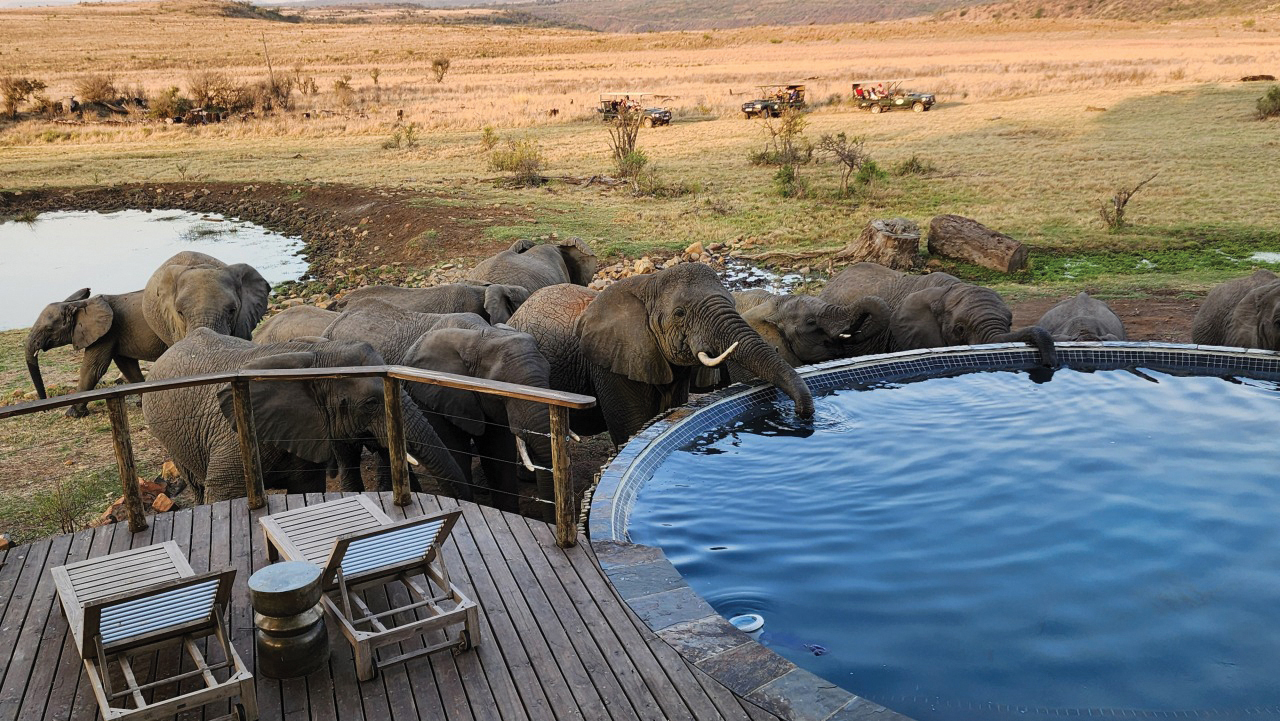
Our early mornings begin with a familiar ritual: early morning coffee before dawn, the sense of quiet anticipation, and then the roll of the game vehicle as we head out into the reserve. The grasslands glow gold, dewdrops catching the first light, and slowly the bush reveals itself. Elephant move with quiet purpose. Zebra, impala and eland graze across the open plains. Two lionesses cross a rocky koppie with intent – the nearby wildebeest unaware, until a kudu’s sharp alarm call cuts through the stillness.
What makes Nambiti particularly special is its diversity. Open plains give way to dense bush, rocky hillsides and riverine corridors – a shifting landscape that ensures no two drives are ever quite the same. There are moments of adrenaline, where a sighting takes hold completely, and others that invite stillness – the call of a fish eagle, fresh leopard tracks in the dust, the scent of wild sage beneath the tyres, and the expansive landscapes.
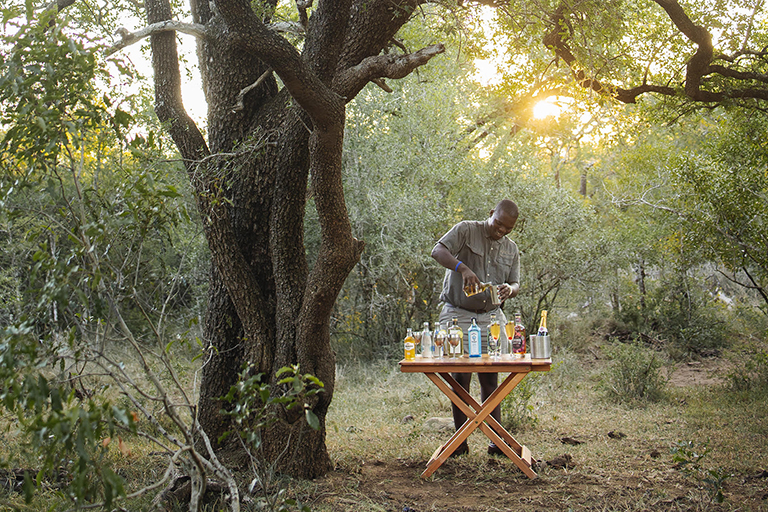
Back at the lodge, time seems to slow. Meals are thoughtful and beautifully presented, often enjoyed with uninterrupted views over the valley. Afternoons drift easily into evening, marked by sundowners in the bush as the sky turns to amber and rose. And then, as night settles, the sounds return – the whoop of a hyena, the distant call of a lion, the rhythmic note of a fiery-necked nightjar – reminders that this landscape, once quietened by farming, is alive again.
Nambiti is more than a safari destination. It is a story of restoration – of land, of wildlife, and of community. Through Rob Le Sueur’s vision, and the continued partnership with the community, it has become a place where conservation and upliftment exist side by side.
And perhaps that is what lingers most: the sense that this is not just a wilderness reclaimed, but a future carefully, and consciously, rebuilt. One that I hope to return to, time and again.