There was a time when luxury dining was defined by how far ingredients had travelled – oysters flown in from distant shores, out-of-season berries appearing as if by magic. But in recent years, a quiet and powerful shift has taken place. The farm-to-fork movement has redefined fine dining, placing value not on distance travelled, but on freshness, sustainability, traceability and a deep respect for the land. It’s about knowing where your food comes from, who grew it, and how it nourishes both body and environment. WORDS – Tessa Buhrmann
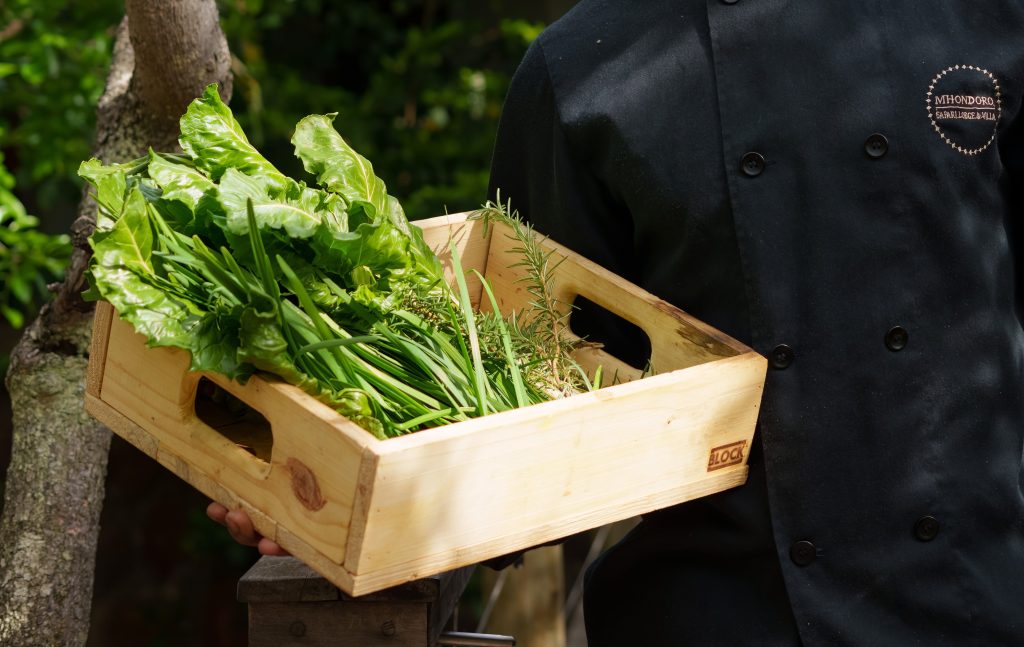
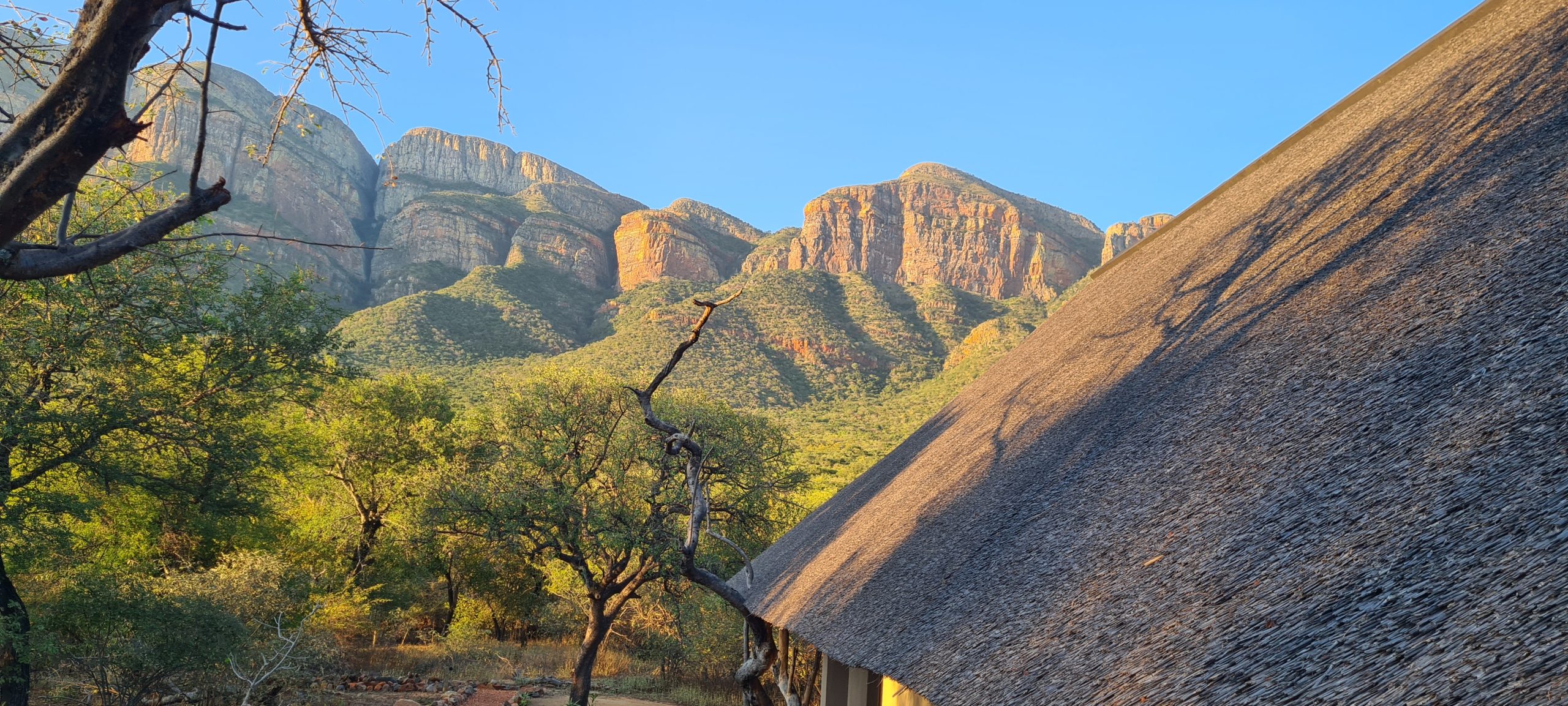
Across South Africa’s safari landscape, this philosophy has found fertile ground. Remote lodges, once entirely reliant on supply chains stretching hundreds of kilometres, are now cultivating their own gardens, partnering with nearby farmers, and reimagining menus around what is seasonal and abundant. And at Mhondoro Safari Lodge & Villa in the Welgevonden Game Reserve, farm to fork is not a trend – it’s a way of life, which mirrors its wider ethos of conservation, community and connection to nature.
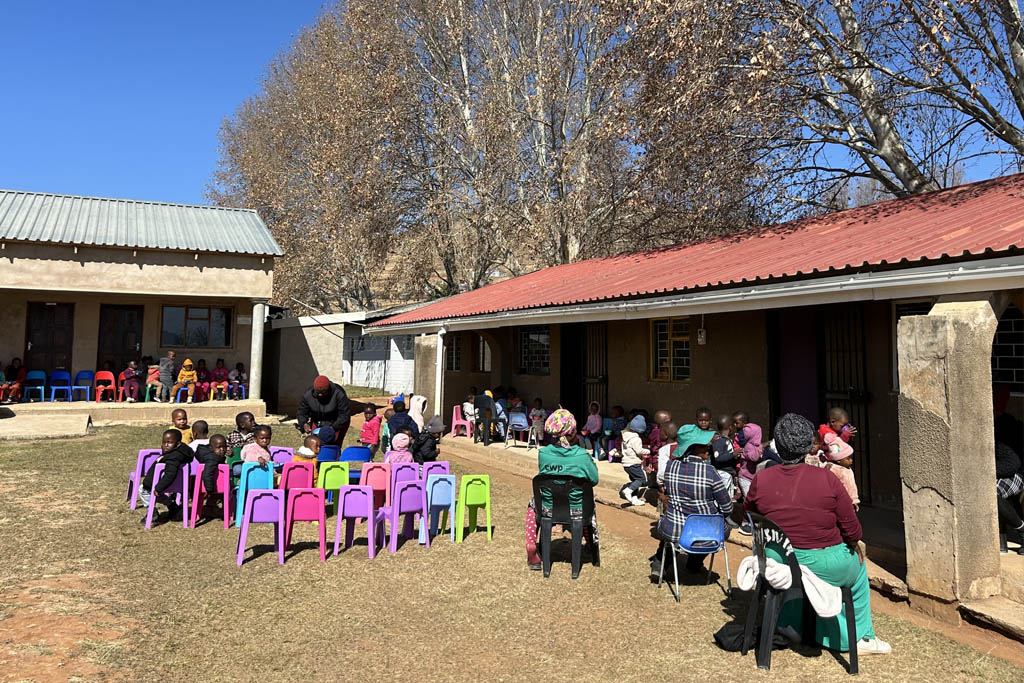
My first visit was during the time of social distancing and face masks – and creative ways of supporting local communities. It was during this time that the lodge developed its own flourishing vegetable garden, not only to supply their kitchen with fresh vegetables and free-range eggs but to provide food parcels to the local community where many of their staff members come from.
What started as a means to fill a need, has developed way beyond what they imagined, to what is now the fully fledged Eco Farm and Welcome Lounge, offering guests their first taste of the farm to fork experience.
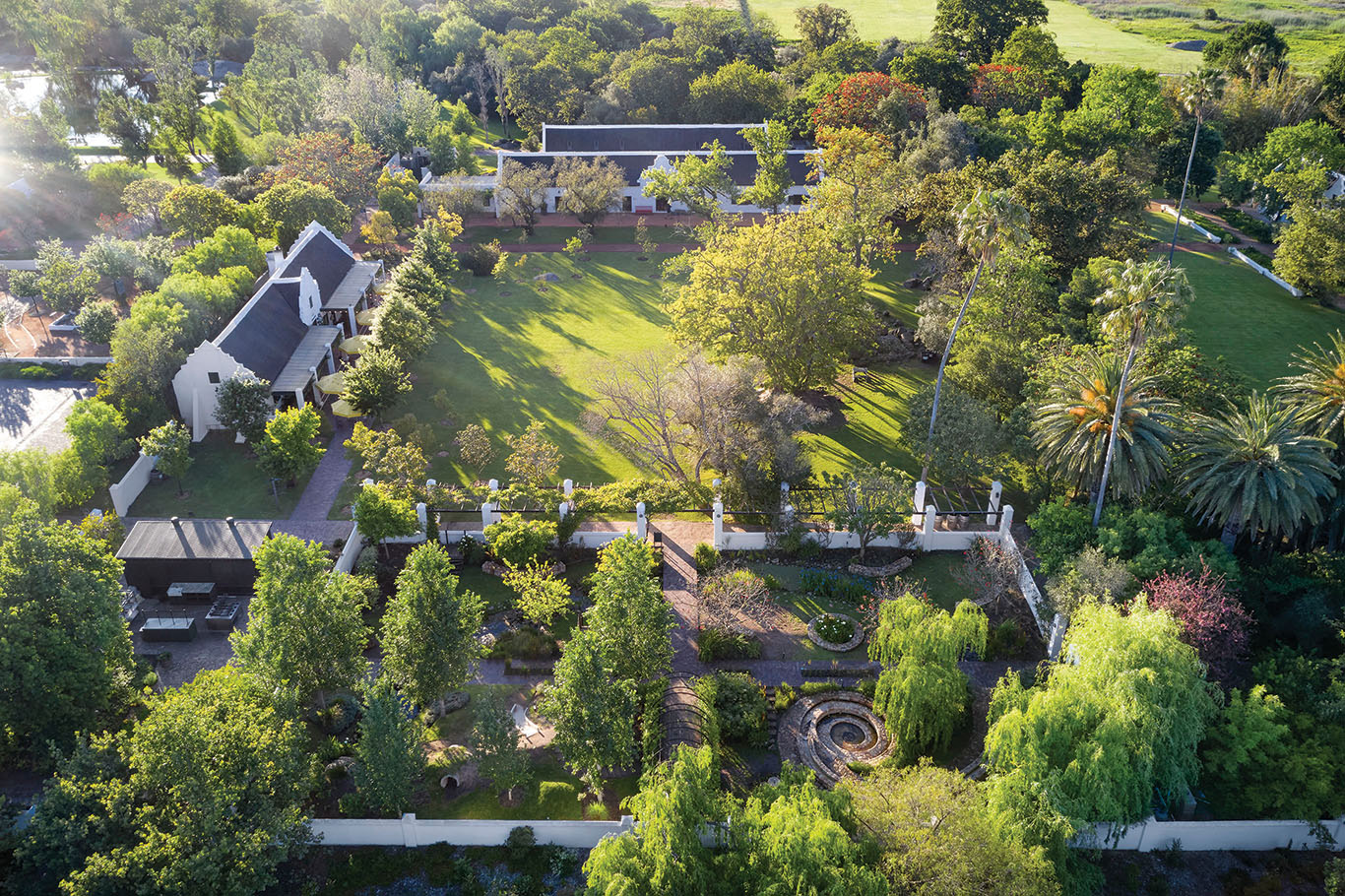
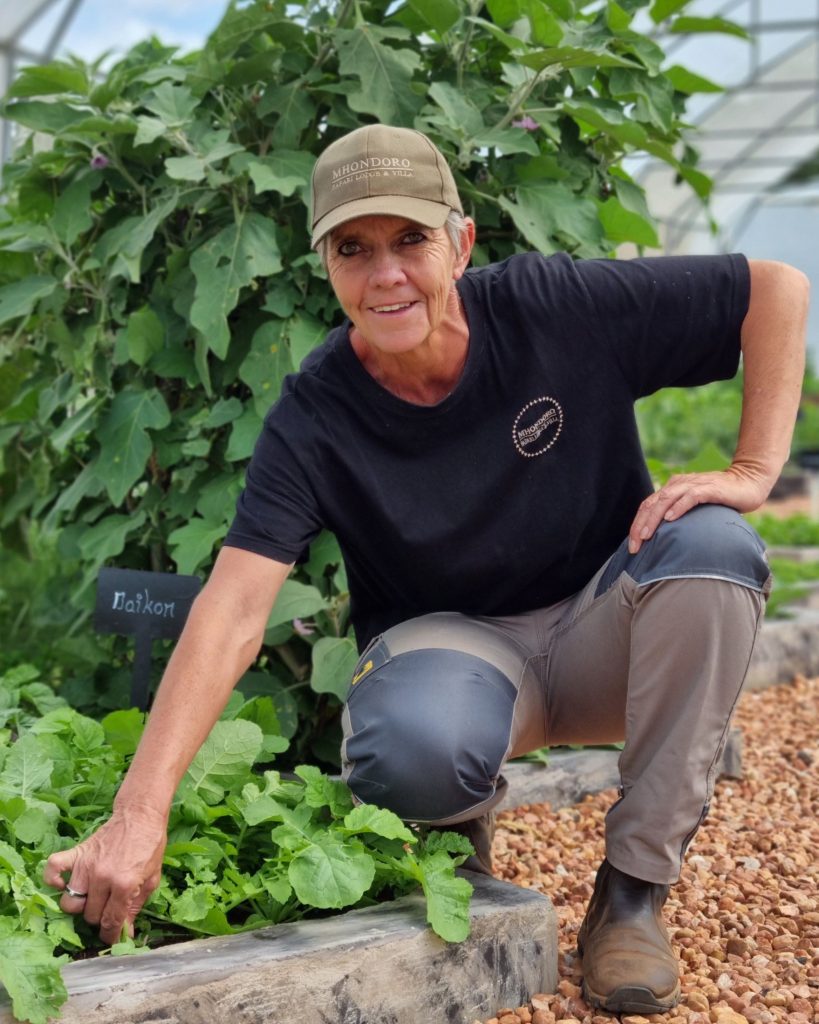
It’s a short drive from the reserve gate, and soon we’re refreshed and heading out to wander among the raised beds and greenhouses with farm manager, Jeanette. In addition to being a feast for the eyes, the bed of rocket is too tempting to ignore, as are the gorgeous plump ripe cherry tomatoes – delicious. Much of the lodge’s produce is grown here – herbs, vegetables, fruits and delicate edible flowers – harvested each morning for the day’s menu. There are no pesticides or synthetic fertilisers; instead, organic waste is composted and returned to the soil, completing a cycle that feels as old as the land itself. Nature’s way.
Leaving behind the fragrance of aromatic herbs we wander through orchards, outdoor vegetable beds and past the extensive chicken coop – before sitting down at a table brim-full with freshly picked goodness, bread straight from the oven and specialty pies bursting with the goodness. What a welcome!
Beyond the Eco Farm and the lodge’s own garden, is the Mhondoro Farmhouse Production Kitchen, established on a newly acquired farm next to the Welgevonden Game Reserve. Mhondoro CEO Fritz Breytenbach had alluded to this when I first visited, and for him, this is the realisation of that dream. “The kitchen serves as both a culinary hub and a training facility”, he tells me. “We have employed two new staff members who are being upskilled while game meat is processed and deli items prepared for the lodge kitchens.” Additionally, the establishment of the farm has created new jobs for members of the surrounding community.
These handcrafted deli products include Mhondoro’s gourmet ice creams – which are exceptionally moreish, freshly baked breads, rusks for those early morning coffees, and a selection of cured and aged meats, as well as other artisanal products, all curated to elevate the lodge’s fine dining experience.
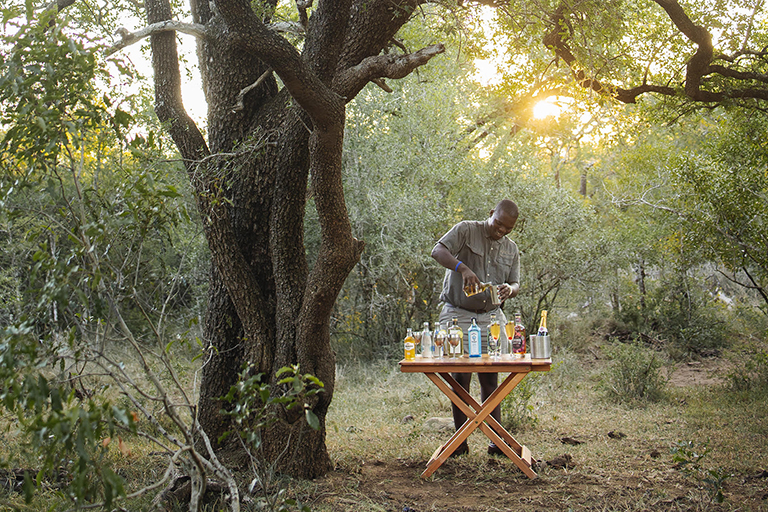
Did I mention the biltong and dry wors? Best enjoyed, of course, with a sundowner in hand as the bush begins to breathe and the sky begins to darken.
But no story about Mhondoro is complete without mentioning the safari experience, and the wonderful cuisine that is very much part of it.
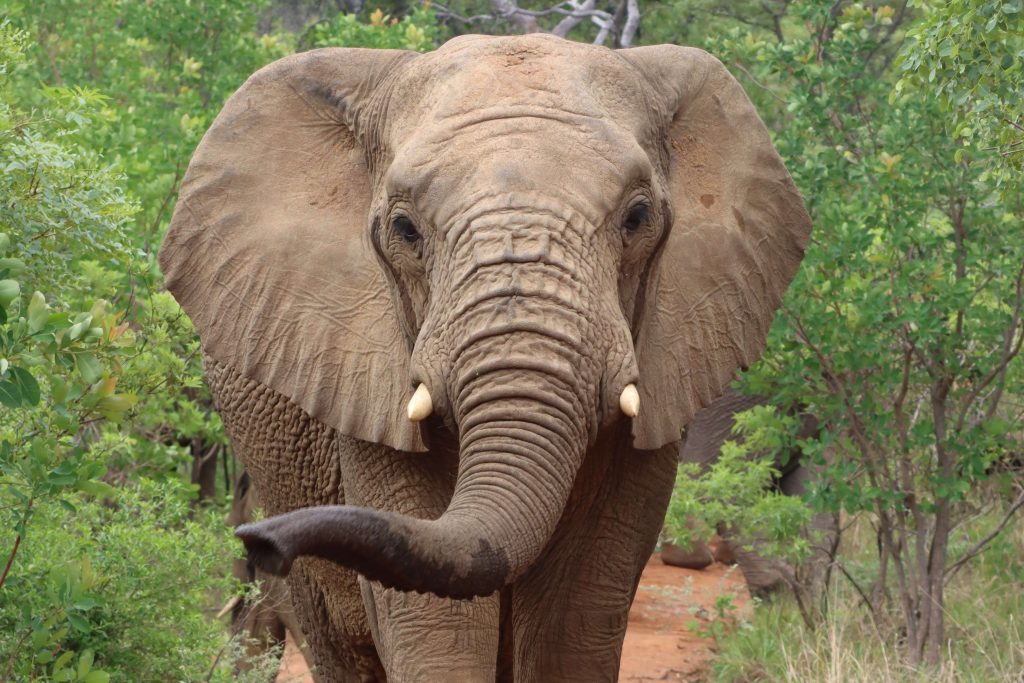
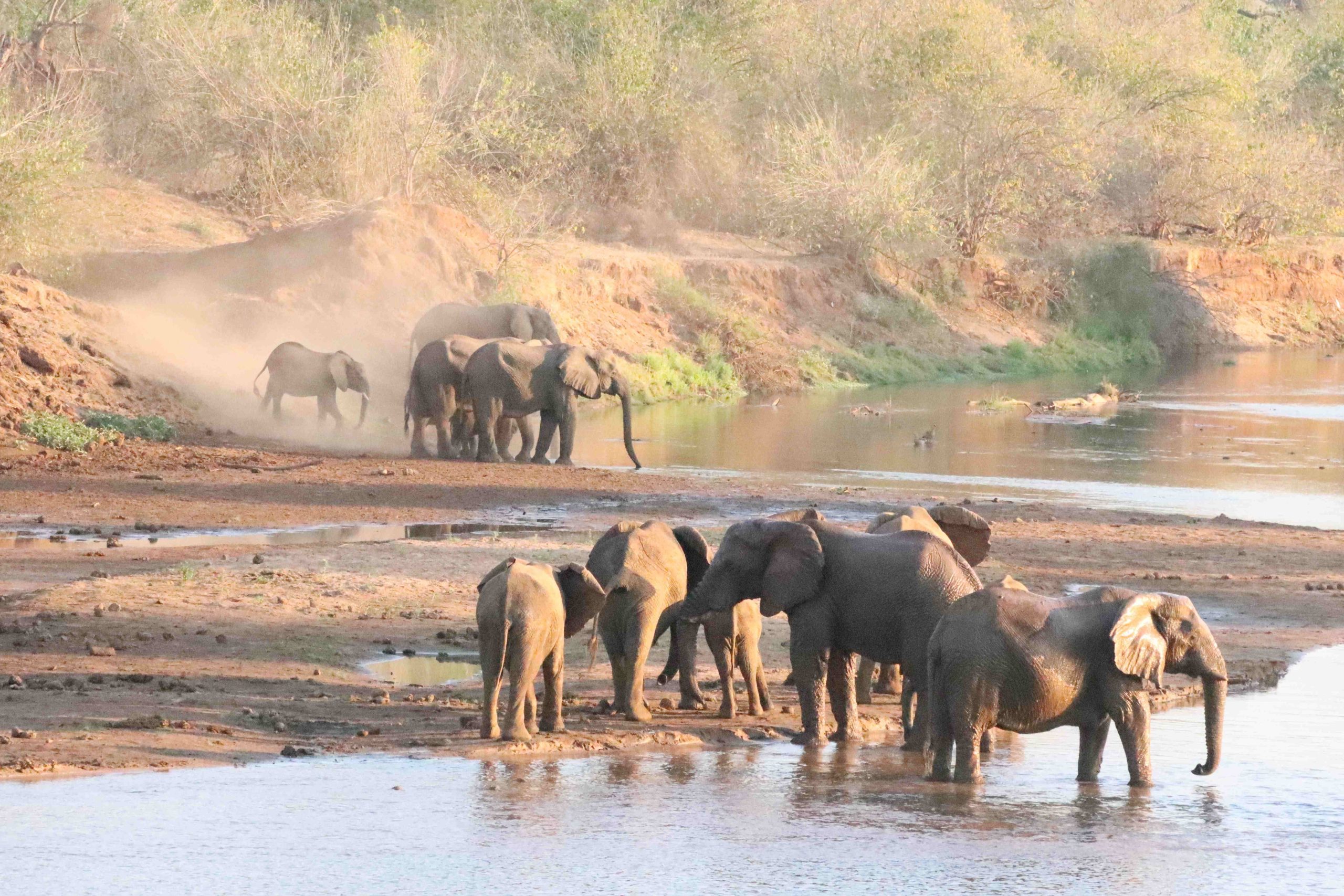
Mornings begin in the soft golden light, when the bush is still deciding whether to wake. We follow the tracks of an elusive leopard, pause beside a breeding herd of elephants feeding calmly around the vehicle, and a little later, stop for coffee. Not just any coffee – ranger’s coffee, laced with a splash of Amarula – served alongside freshly baked muffins and homemade crunchies. On another morning, the bush reveals an unexpected indulgence: pancakes, freshly prepared by Lebo and Kamogelo. Such a treat!
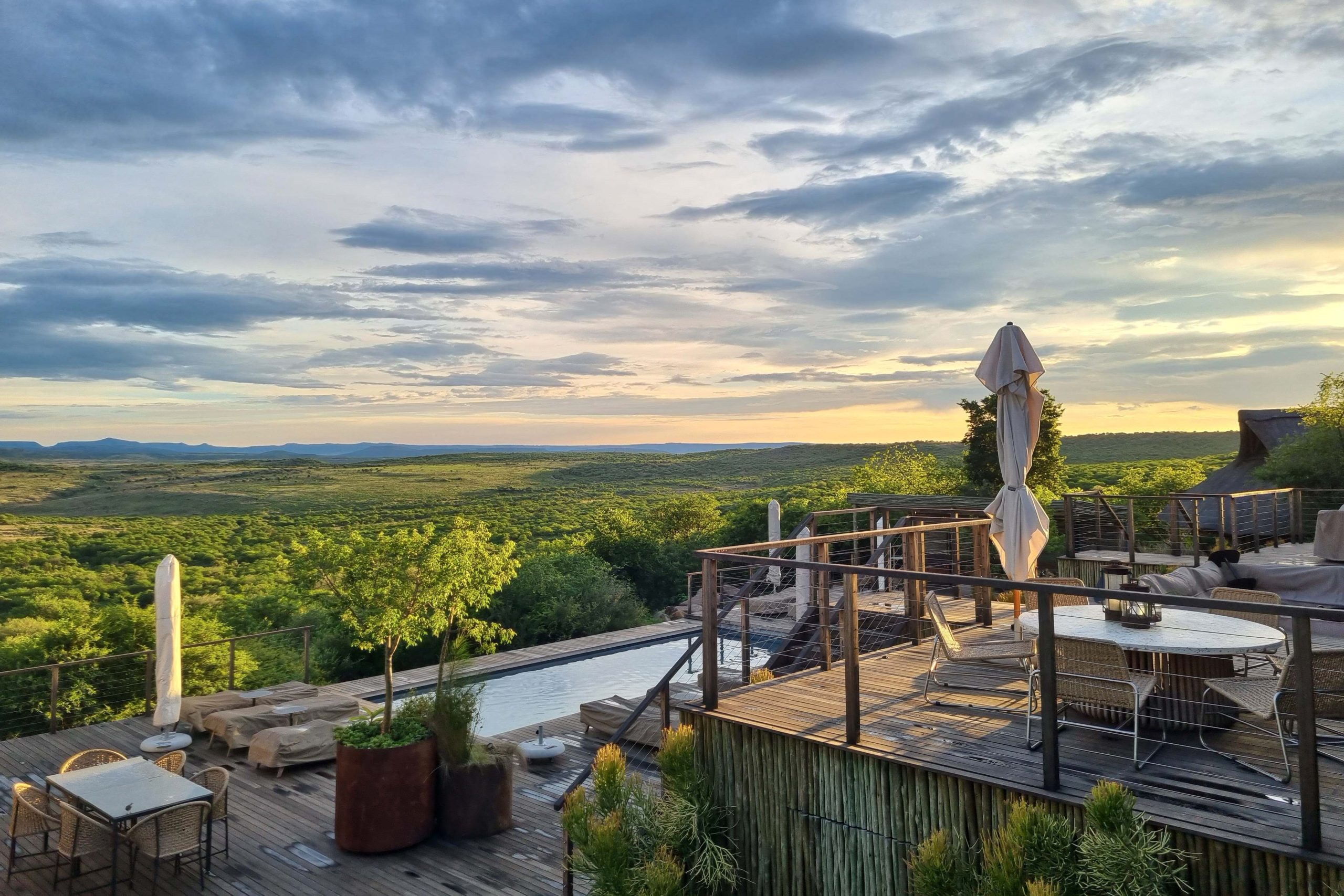
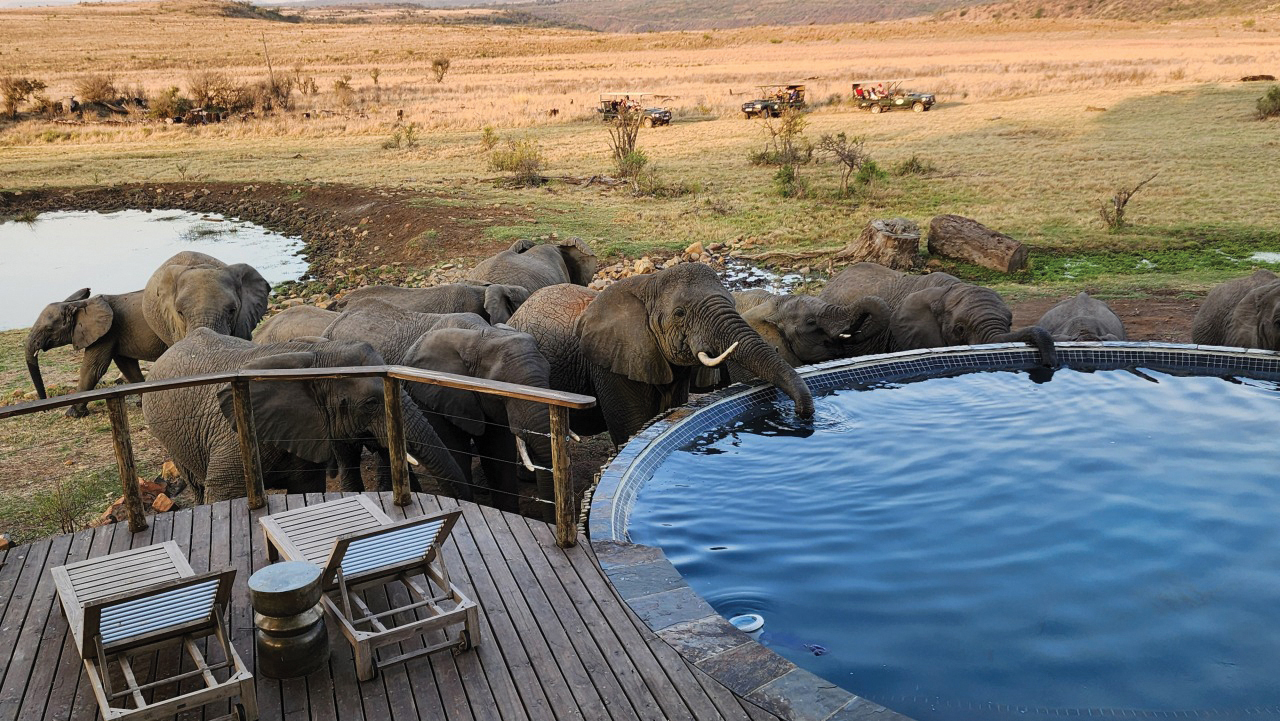
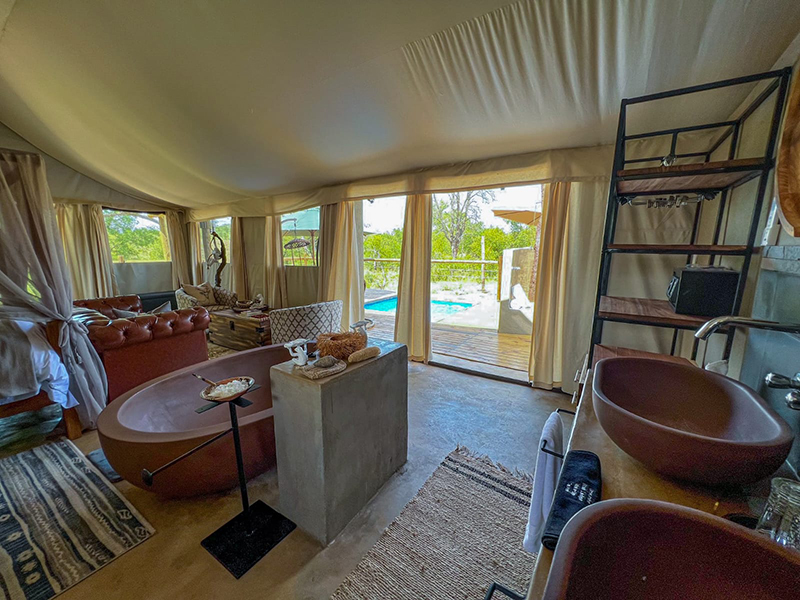
Back at the lodge, brunch is an option: fresh fruit, warm breads and garden-grown accompaniments. But it’s the waterhole hide that draws me in. Reached via an underground tunnel, it opens out at eye level with the water. Zebra and warthog drift in and out of frame, birds flicker across the surface. But the highlight of my pre-lunch interlude comes when a large bull elephant ambles up to the lodge swimming pool for a drink – something they do with surprising regularity. What a privilege to have a close encounter with one of Welgevonden’s gentle giants. Followed by a light, seasonal and thoughtfully prepared lunch – a reflection of Mhondoro’s farm-to-fork philosophy.
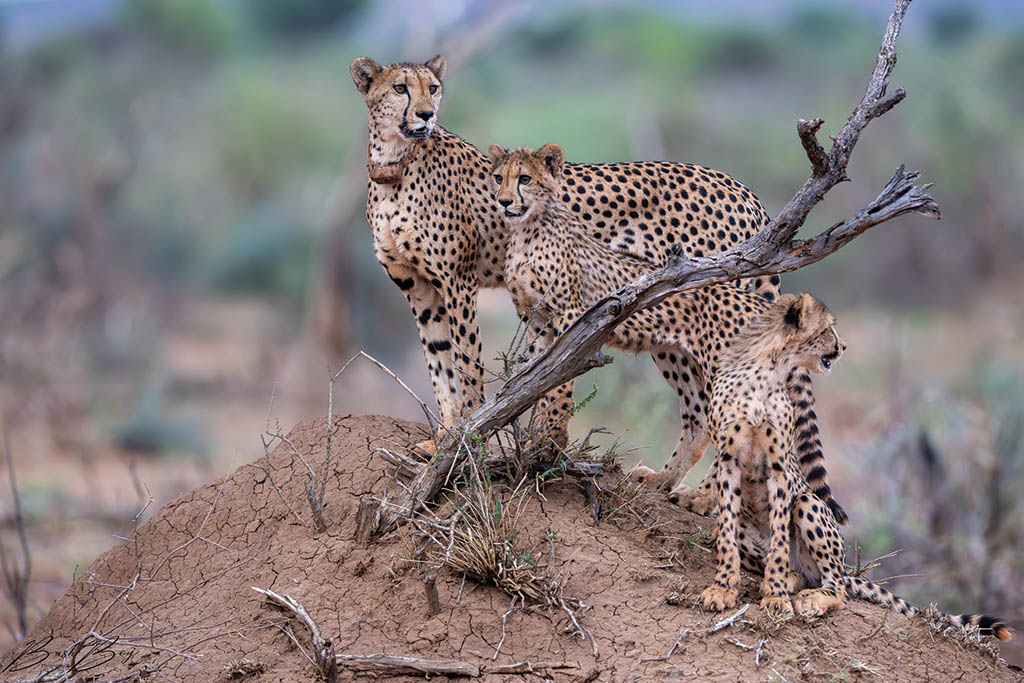
Our afternoon game drive has us tracking lions, pausing for rhino, lingering over the curious behaviour of wildebeest. Giraffe, zebra, impala and even a cheetah on a kill all makes for incredibly memorable safari. Add to that, the gin bar at sunset.
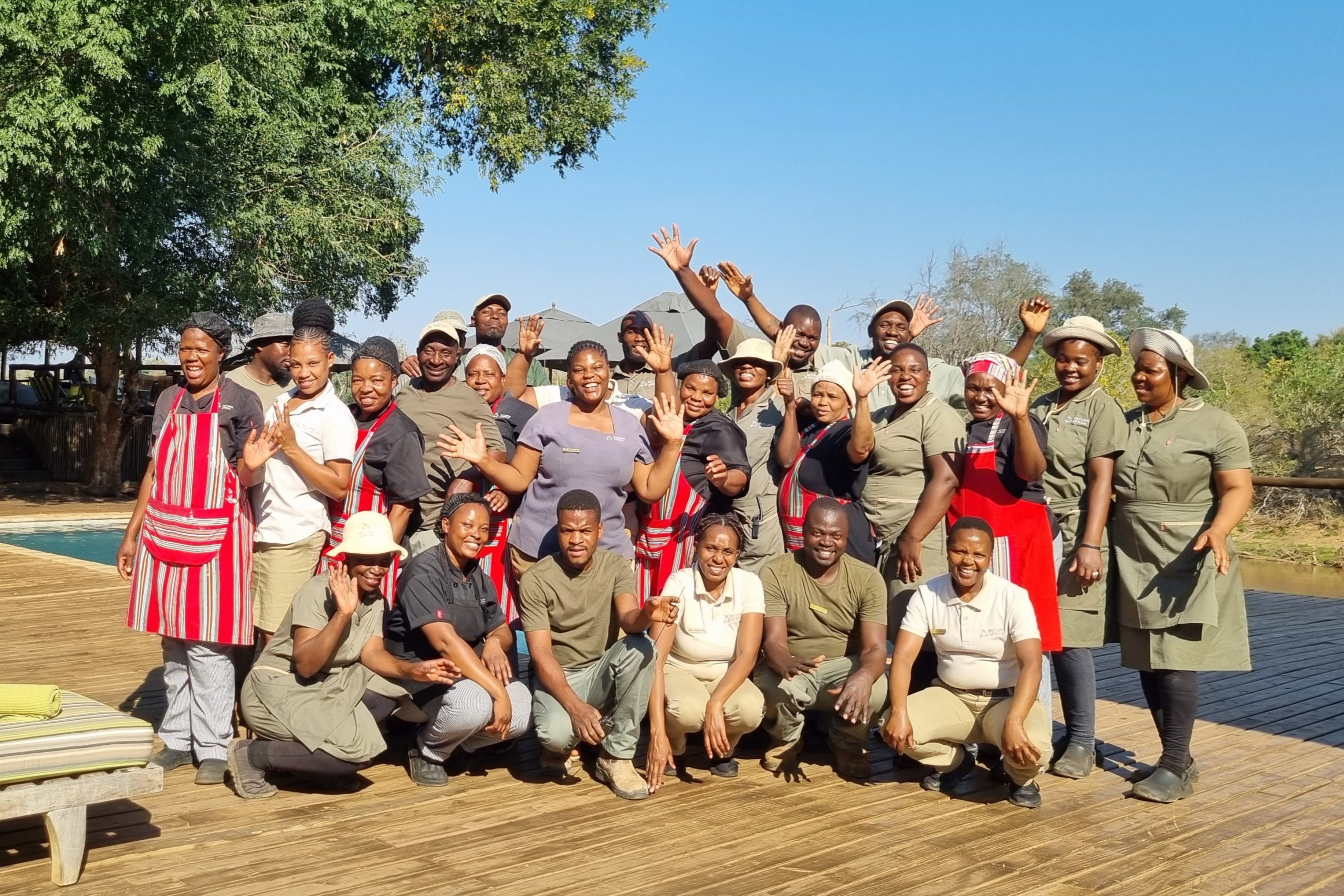
But dinner is where Mhondoro’s farm to fork philosophy truly shines. Plated perfection in the elegant dining space, reflecting both refinement and authenticity. A tender cut of locally sourced beef served with roasted root vegetables and herb oils made from the garden’s bounty. Served with proudly South African wine. Or dinner under a starry African sky, accompanied by the harmonious voices of the staff, a crackling fire and delicious soul food – slow-cooked oxtail, fragrant curries and boerewors with pap.
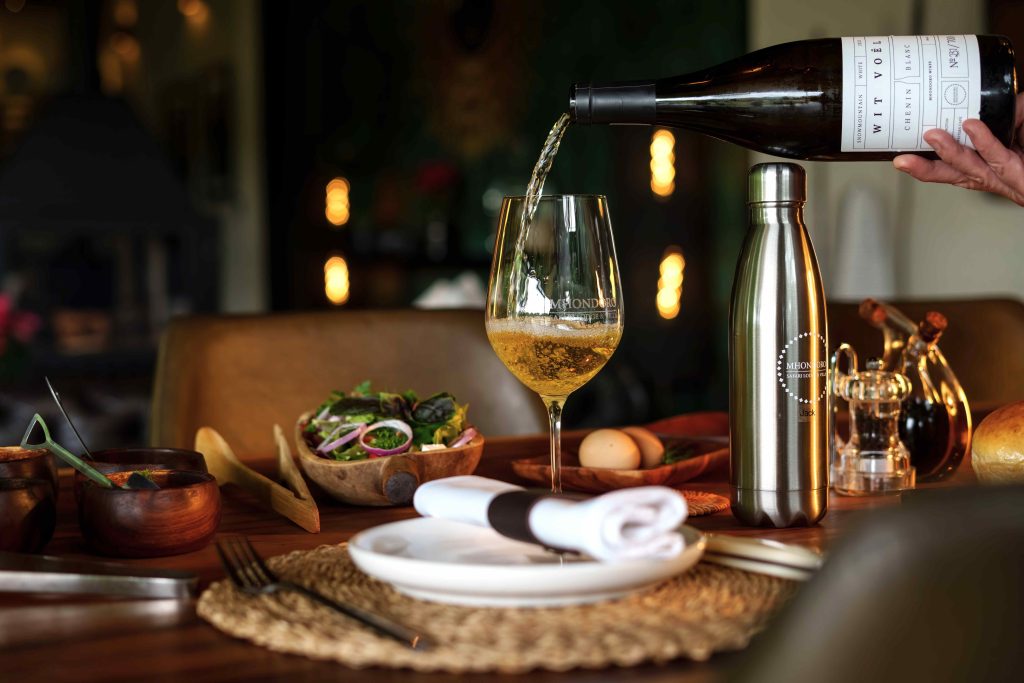
In a world increasingly disconnected from the origins of what we consume, Mhondoro Safari Lodge & Villa offers something refreshingly real. Where farm to fork is more than a menu concept, it’s a celebration of place – a reminder that the finest dining experiences often begin right beneath our feet.