- September 27, 2025
- Editor
- 0
Words – Tessa Buhrmann
Pics – Tessa Buhrmann & Mabula Private Game Reserve
Somewhere between the golden grasses and dappled bushveld of the Waterberg, a low, resonant boom breaks the early morning stillness. It’s not thunder, though it sounds like it. It’s the call of the Southern Ground-Hornbill – the ‘thunderbird’ of local legend – and a flagship species of South Africa’s savannahs. Here, on Mabula Private Game Reserve, that deep, rolling call is more than just a soundtrack to the safari experience; it’s the call to conservation, and it echoes through the work of people like Nthabiseng Monama and the team at the Mabula Ground Hornbill Project.


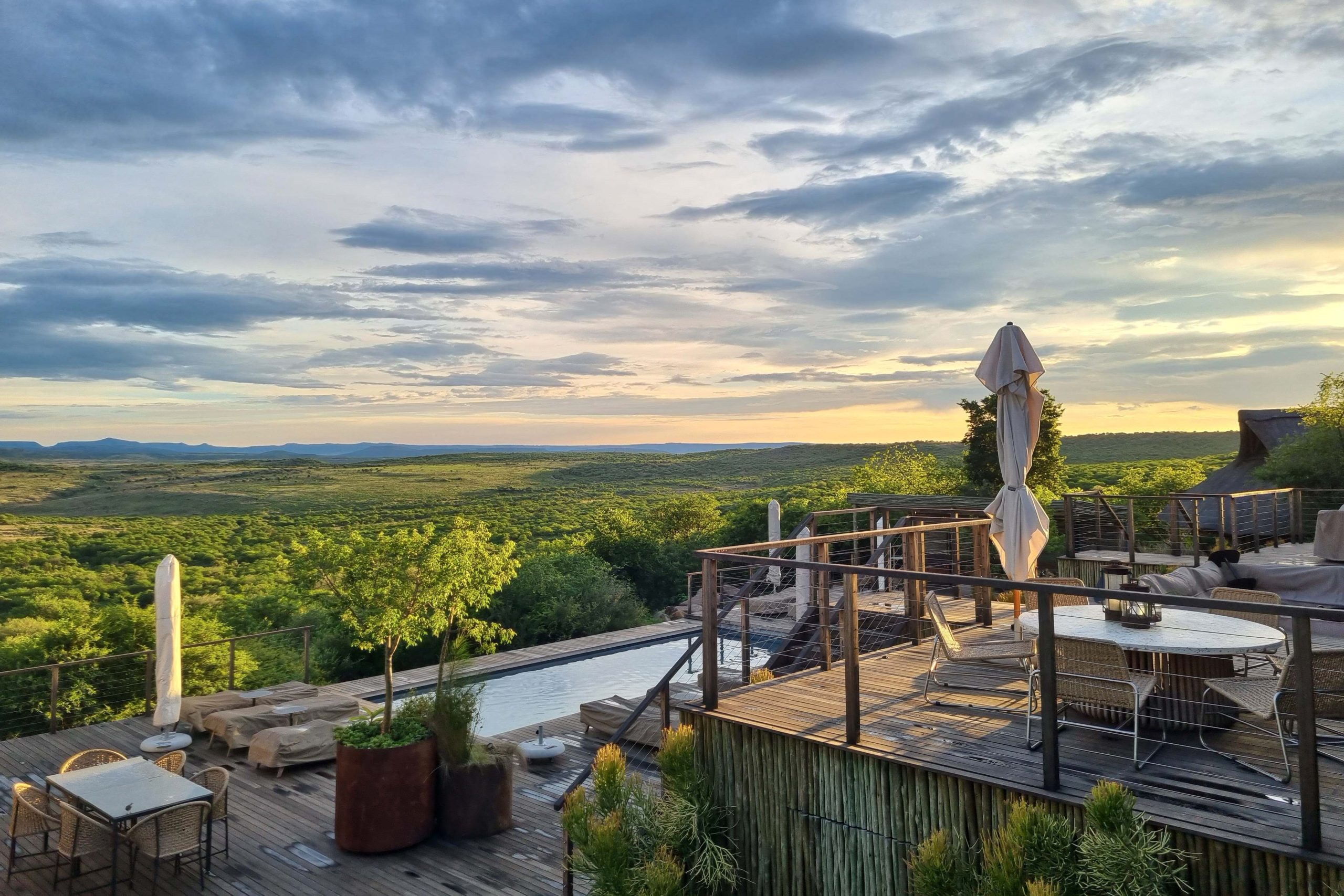
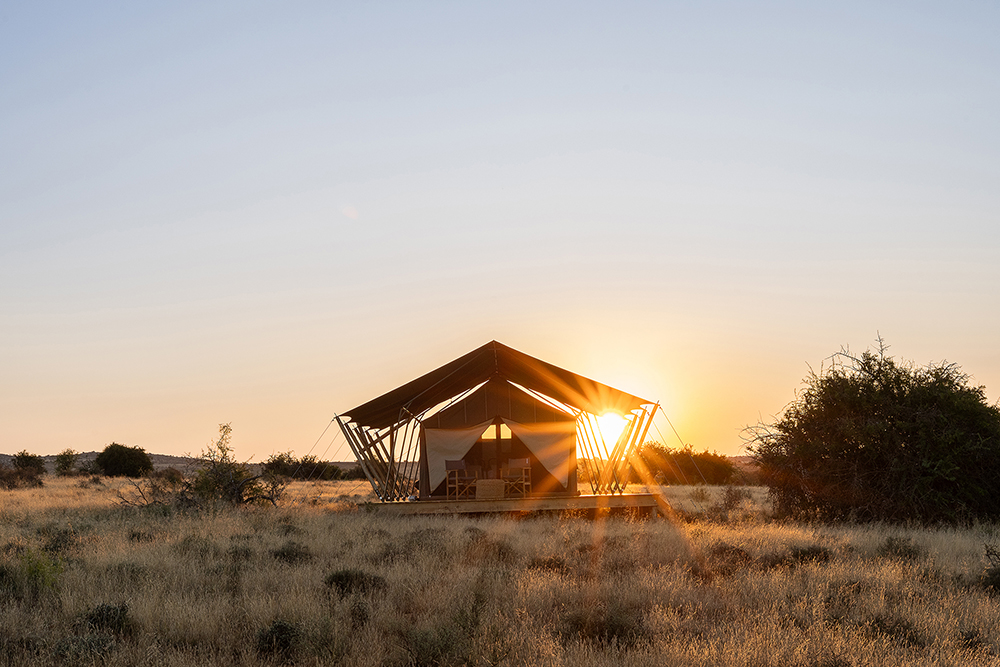
I’m staying at Safari Plains, the elegant, tented camp nestled in the heart of this 12,000-hectare reserve, not just to indulge in the luxuries of bush life but to experience conservation in action while celebrating Mabula’s ‘30 Years of Conservation’. Safari Plains is a place where adventure and awareness walk hand in hand, and nowhere is that more evident than in the stories behind the animals that call this reserve home.

One of our most memorable encounters was watching a group of ground hornbills as they forage across a sunlit clearing, their glossy black feathers catching the rising sun, their haunting calls carrying over the plains. They’re impossible to miss, tall, slow-moving, deliberate, and yet tragically easy to lose. With us is Nthabiseng Monama, the birds and people manager whose passion for these birds is infectious. “They’re more than just beautiful birds,” she tells us. “They’re indicators of the health of the savannah ecosystem. When they disappear, it means something in the balance has shifted.”
For over two decades, the Mabula Ground-Hornbill Project, based here in Limpopo, has been working to turn that around. What was once a slow but steady disappearance of this culturally revered species is now a growing conservation success story, powered by science, passion, and community collaboration.
We sit in the shade of our game viewer – it’s an unseasonally hot day, and we’re sweltering – the group of four hornbills don’t seem to notice as they methodically poke through the grass for insects and small reptiles. Nthabiseng watches them like you might watch family, affectionate, alert. One bird in particular, a male named Janowski, holds a piece of her heart. “He’s not tame but manageable. He allows us access to view and monitor him but would disappear in seconds if frightened. He has a tenacious personality,” she says, smiling. “And I love that about him.”
Her work, however, is anything but sentimental. With only around 3000 Ground-Hornbills left in South Africa, and just a few hundred breeding groups, their future depends on dedicated intervention. Unlike many bird species, hornbills have a complex social structure. They live in cooperative groups, but only the dominant pair breeds, and even then, it’s often just one chick every nine years that survives to adulthood.
That’s why the Mabula project harvests second-hatched chicks — those that would normally die of starvation — and hand-rears them with the goal of reintroducing them into the wild. These young birds are kept in captivity for few years of their lives then they’re sent to ‘bush schools’ where established hornbill groups slowly teach them how to be wild again. It’s a delicate, thoughtful process that has already seen success, with birds reintroduced into areas where hornbills had long vanished.
But the work doesn’t stop there. Loss of nesting trees is one of the major issues, so artificial nest boxes are being installed in breeding territories. And crucially, local communities are being included through various initiatives empowering them to protect these nests, monitor sightings, and help reintegrate the birds back into the land that once echoed with their thunderous call.

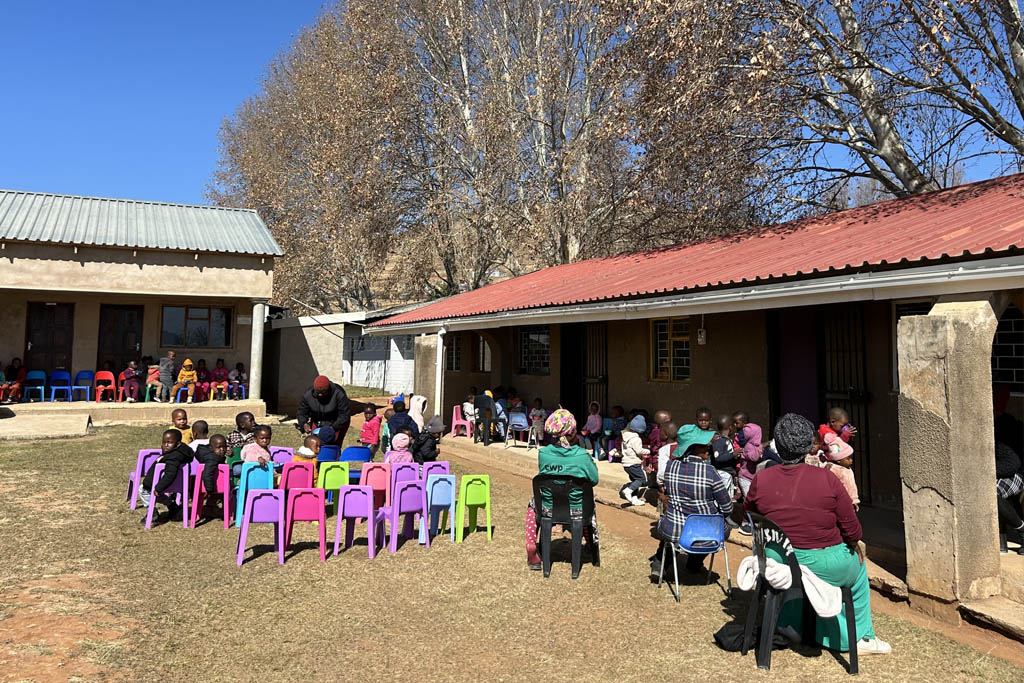
“Community conservation means involving communities in the planning, decision making and implementation of all these conservation efforts we are undertaking,” Nthabiseng explains. “You can’t protect these birds without the people who share the landscape with them.” Her team spends time in local schools and villages, using art, music, and storytelling to reconnect people with a species that has long been part of traditional beliefs and cultural identity.
As we drive away from the sighting, I find myself deep in thought. There’s something primal about these birds, with their deep red wattles, their striding gait, and their unmistakable calls. To witness them in their rightful place, wild and thriving, feels both a privilege and a responsibility.
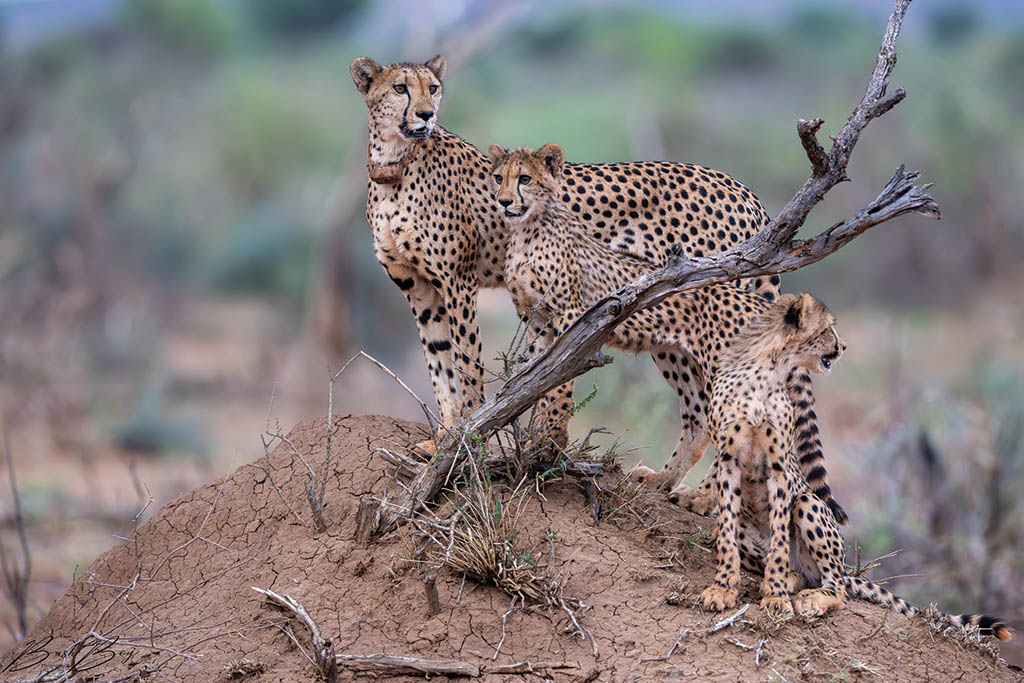
Of course, the broader conservation picture at Mabula doesn’t stop at hornbills. The reserve is part of the national cheetah metapopulation management strategy to ensure genetic diversity and stability for cheetah populations across South Africa. One morning, just after dawn, we set out to track one of the reserve’s cheetahs — not by vehicle, but on foot, telemetry receiver in hand. The soft crackle of static gives way to a sharp pulse, guiding us through the bush toward the sleek feline forms resting in the shade.
Isaiah, our guide explains that the cheetahs are fitted with tracking collars so researchers and reserve management can monitor their movements, behaviour, and prey preferences. Being on foot with these animals, even at a distance, is a moving experience – a reminder of just how fragile and powerful life in the wild can be.
And then there are the wild dogs, elusive, endangered, and, for us, unseen this time. But their story is no less powerful. On 11 May 2022, a pack of four was released into the Mabula Private Game Reserve, the second-known breeding group in the Waterberg. Carefully bonded in a boma before release, they now roam free as part of a broader effort to restore wild dog numbers. Central to this success is the Waterberg Wild Dog Initiative, a community-based nonprofit, which works with local communities to reduce conflict and foster coexistence. Their work includes education and conflict mitigation with local farmers, crucial in a landscape where wild predators are often perceived as a threat.
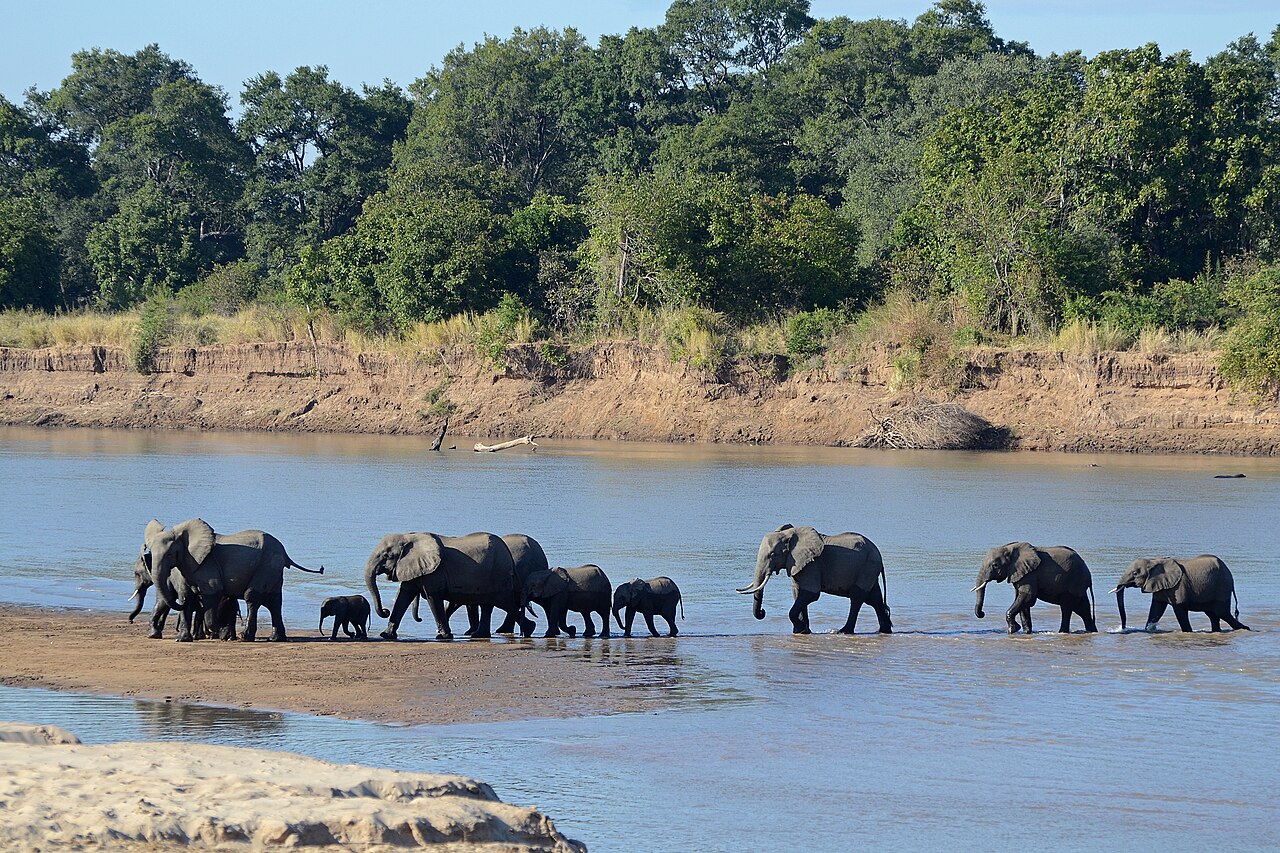
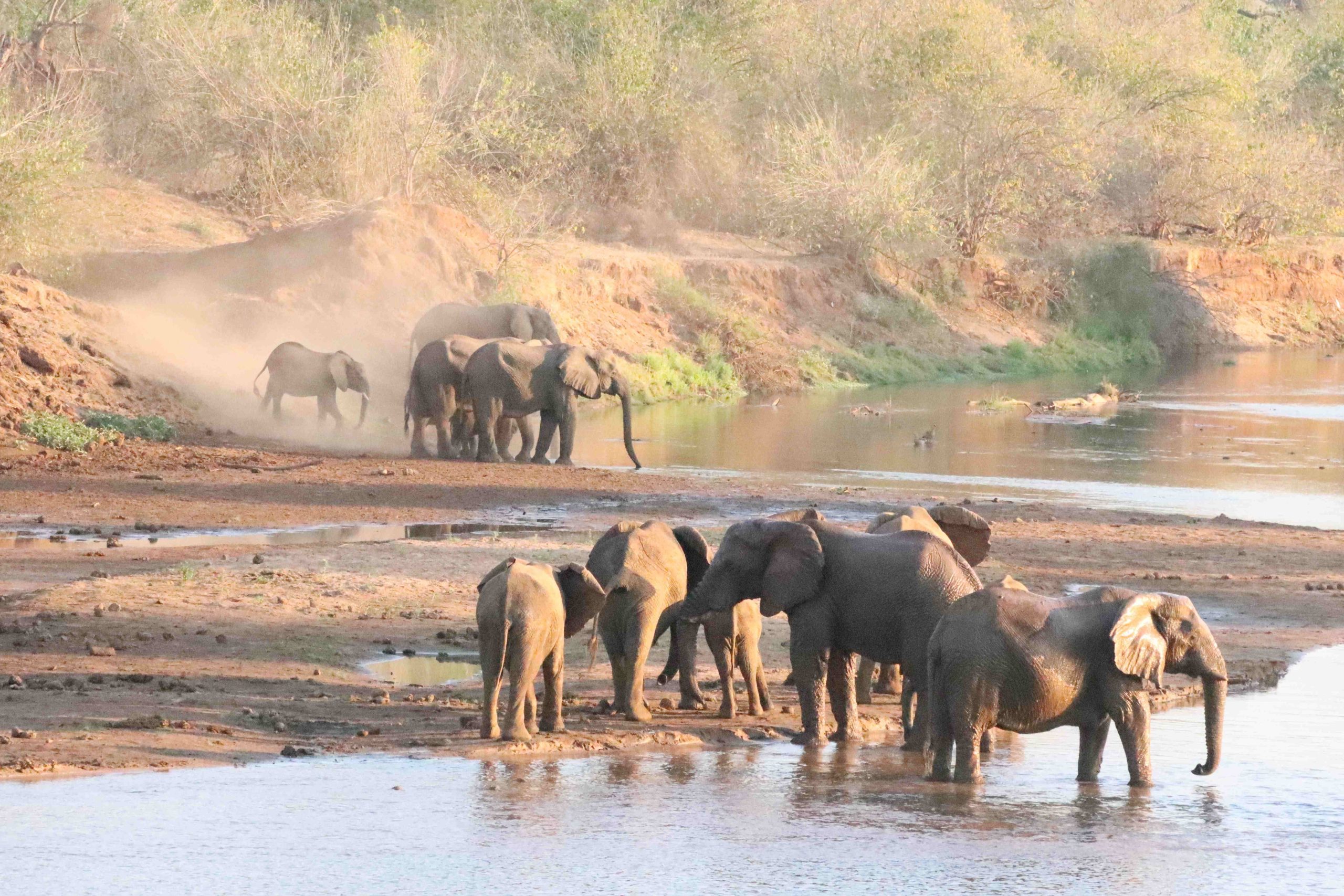
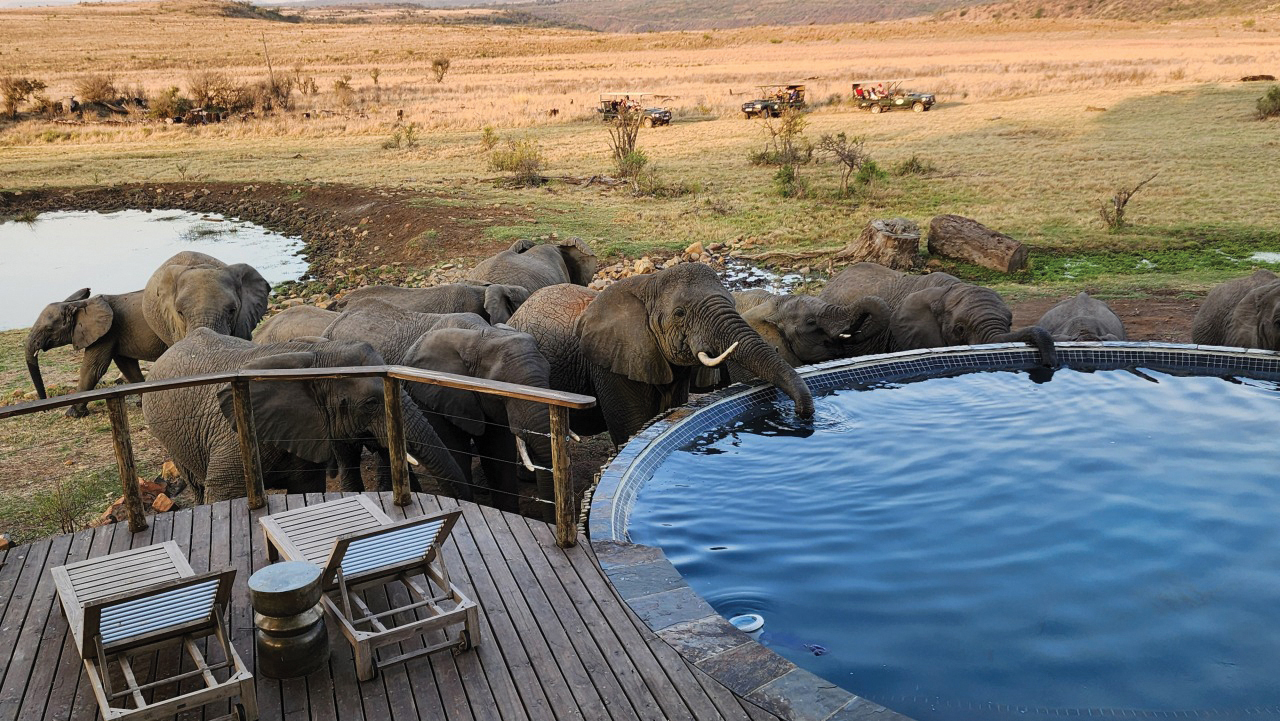
Beyond this, Mabula’s commitment to restoring and protecting the landscape is an integral part of its conservation efforts. Years of careful and scientific management and some rehabilitation have helped to revive the natural balance of the reserve, allowing indigenous flora and fauna to flourish once more. Key to this is the strategic collaring of elephants to monitor their movements and manage their impact on sensitive vegetation zones. White rhinos are also collared as part of critical anti-poaching measures, ensuring real-time tracking and rapid response to threats. These interventions, guided by science and a deep respect for the land, are helping Mabula thrive as a sanctuary for wildlife and wilderness alike.
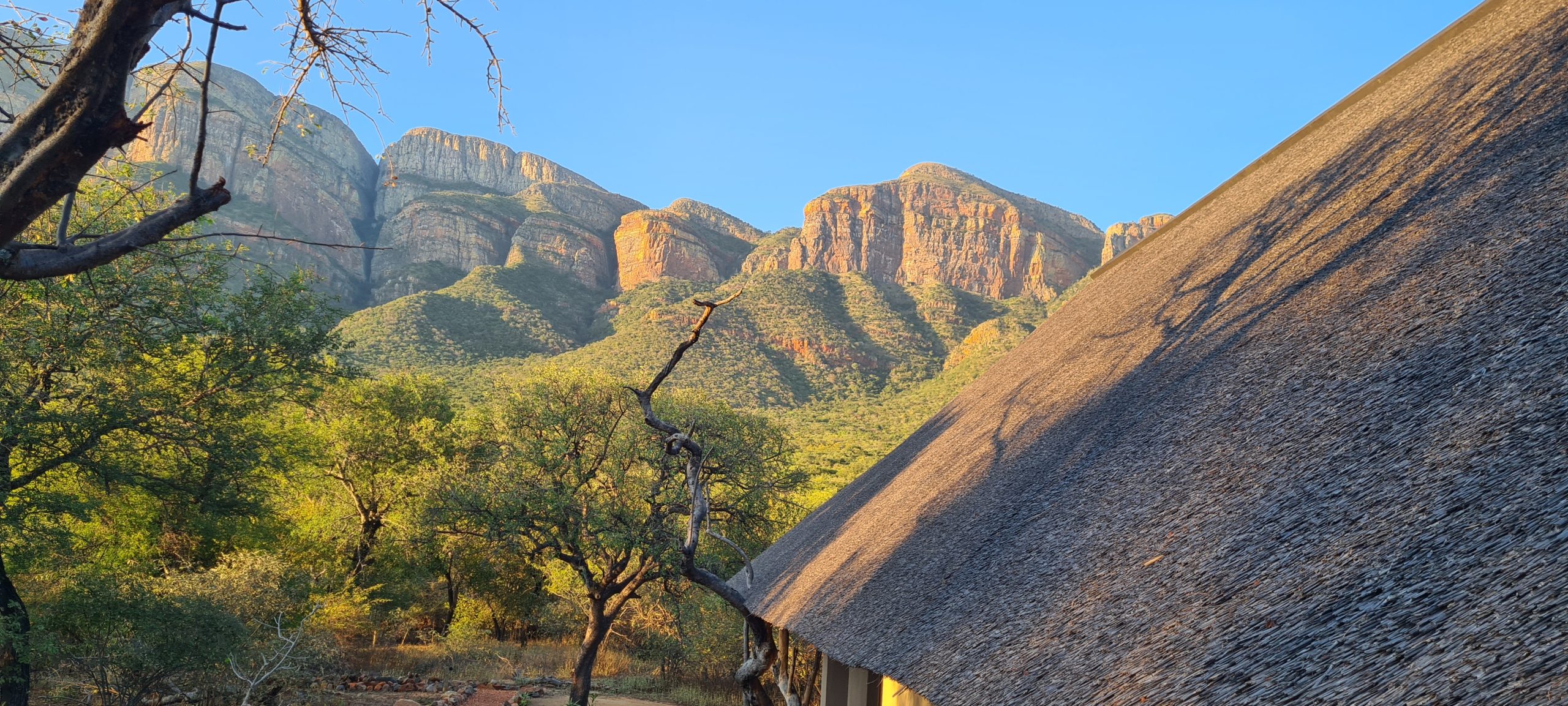
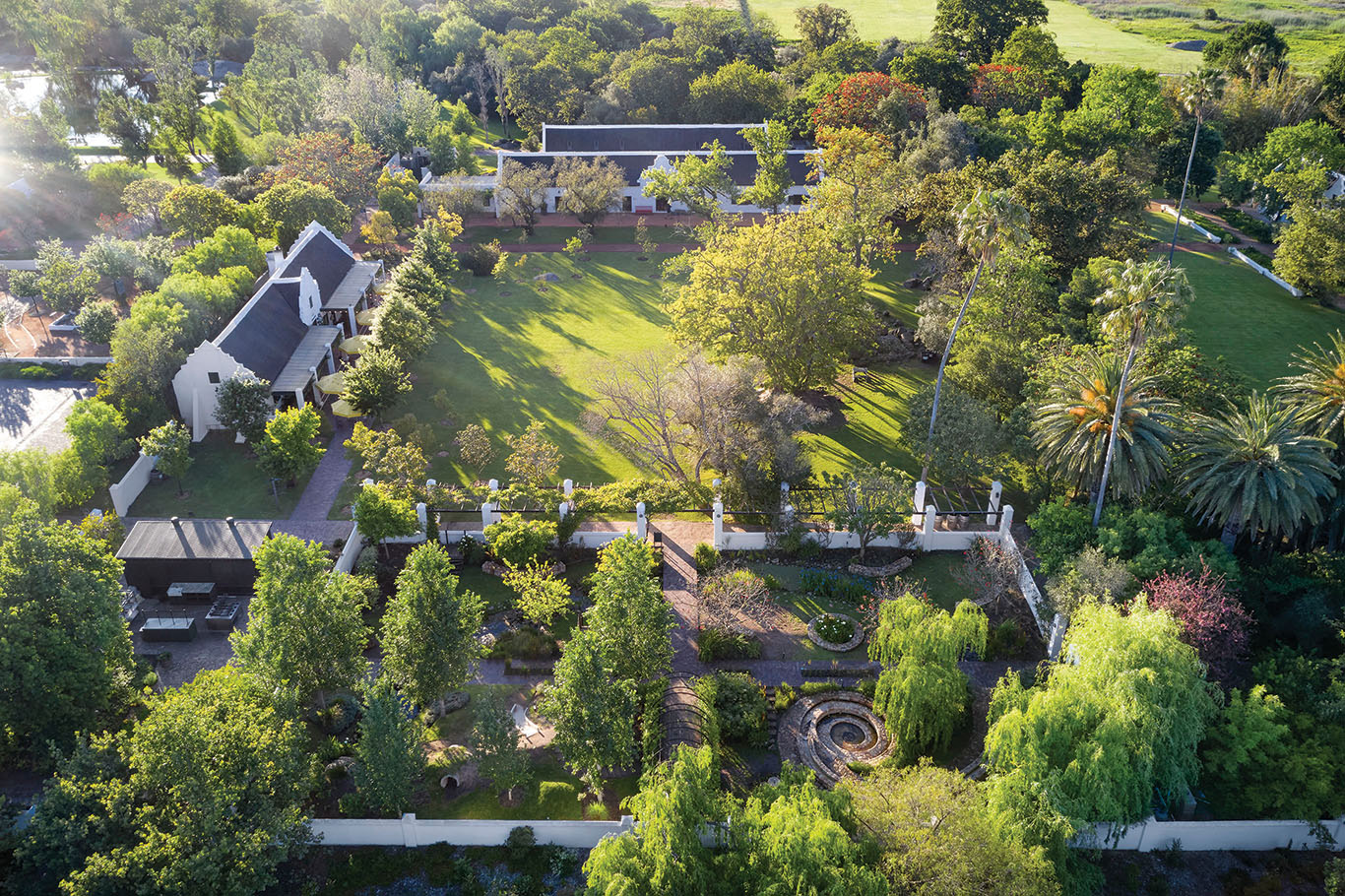
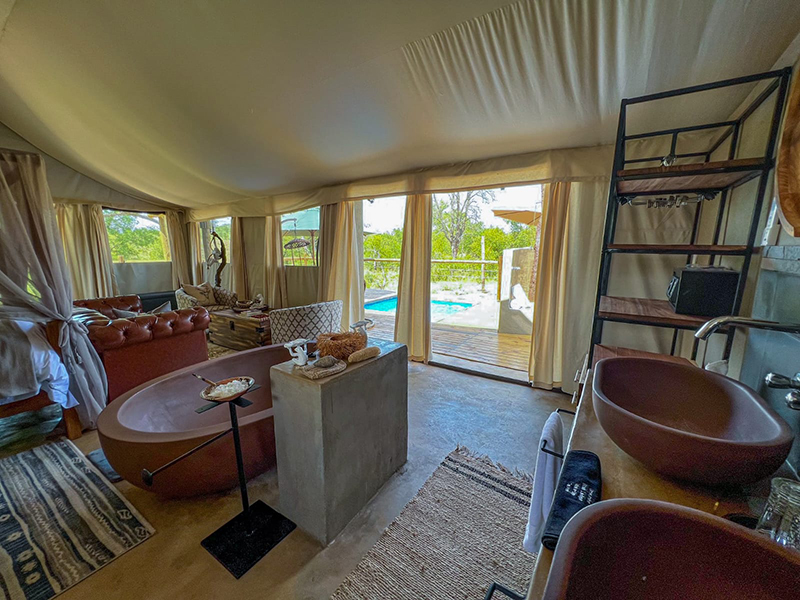
What makes Safari Plains, the lodge I call home for a few nights, so special is that it supports all this important work without compromising on comfort. My luxury tented suite is a sanctuary of soft linens, air conditioning, and wide bush views. From my private deck, legs curled in the hanging chair and coffee in hand, I watch impala graze beneath a marula tree while the chatter of guinea fowl drifts across the veld.
It’s a seamless blend of eco-conscious luxury, a reminder that responsible travel can be as restorative as it is enriching.
Essentials:
Where to Stay:
Safari Plains – https://safariplains.co.za/
Mabula Game Lodge – https://mabula.com/
For more information on the Mabula Ground Hornbill Project, visit www.ground-hornbill.org.za