- September 27, 2025
- Editor
- 0
Words – Sarah Kingdom
Pics – Saudade
Early in the day, our dhow, a traditional wooden boat with a patched sail and years of stories etched into its timber, glided quietly out from shore. It was a damp and chilly morning, and we huddled in the bottom of the boat to get out of the wind and rain. One of the crew stood at the bow of the boat, his gaze fixed on the water as if reading something we could not yet see, another steered us through the shallows.
Before long, the boat drifted to a stop. Our guide, Ilídio Cole, climbed over the side and into water that was just above his knees, gesturing for us to put on our masks and follow. The sea grass underfoot swayed gently, moving like ribbons in the current, hiding secrets that would take time and patience to reveal.
Ilídio moved carefully, brushing aside seagrass with hands that must have done this a thousand times before. He stopped and pointed. It took a while to focus, and then I saw it. A tiny shape, curled around a blade of grass—a seahorse, perfectly still. It was no longer than my finger, and almost invisible if you weren’t looking for it. After a little more searching, we spotted more. Some golden, others a dusty rust colour, some curved like musical notes, others camouflaged in pale browns. We didn’t touch them. We just watched, floating in the silence, aware of how easily we could have missed them.
As we searched, Ilídio explained to us that these special little creatures don’t travel far. They live their entire lives in a patch of seagrass, tethered to their territory, as vulnerable as they are rare. Most wild seahorses are monogamous, he told us, with some species mating for life. Searching for a mate can be a challenge for a seahorse, especially given they are poor swimmers, are found in low densities, and rely on camouflage to hide from predators; so once they’ve found a mate, they tend to stick together.
Ilídio told us how seahorse couples greet each other every morning, with a unique dance that sometimes even involves changing colour. A seahorse couple will promenade and pirouette together for several minutes, before separating for the rest of the day. They greet each other this way to confirm the other partner is still alive, reinforce their bond, and synchronise breeding. We also learned it’s the male seahorse that carries the eggs and gives birth. During mating season, the female will deposit her eggs into the male’s kangaroo-like pouch, at which time the male will fertilise them. After about two weeks, out pop the seahorse fry, ready to swim off and explore the ocean.
Once we returned to dry land, we learned more about the background of the community-run seahorse project that we’d just experienced. Back in 2018, the fishermen in the local village were being approached by traffickers linked to the traditional Chinese medicine trade. With the temptation of earning money by capturing, drying and selling these ‘diamonds’ as the fishermen started to refer to them, thousands of seahorses were being pulled out of the water.


It takes about 700 to 800 seahorses to make 1 kilogram, and the fishermen were being paid around $240 per kilogram, which roughly works out to 3 dried seahorses for a $1. At that rate, after 10 years, there would be no seahorses left; a tragedy for the environment and nothing left for the fishermen to sell. The future was looking bleak. But then, in stepped Juliet Lyon.
Juliet had previously been working with a local NGO, but was so horrified by the plight of the seahorses that she met with local fishermen and decided an outreach campaign was needed. One that would educate the local community about seahorse conservation, and would develop a seahorse-focused eco-tourism activity in the village. She felt both of these would be vital steps in curbing the rampant seahorse poaching. With this in mind, Juliet cofounded ParCo (Parceiros Comunitarios, Portuguese for Community Partners), to address not only the seahorse issue but also other issues facing local people, including environmental education, sustainable fishing practices, a sunscreen project for children with albinism, a community preschool programme, waste collection and recycling.
Around this time, Ilidio, our guide for the seahorse expedition, had just finished a bachelor’s degree in rural economics. He and Juliet met at a community meeting about dealing with plastic waste taking over the local beaches, and the seahorse project was born.
Not long after the project had started, local police confiscated 1782 dried seahorses from traffickers, along with notebooks naming local poachers. The traffickers were jailed, and the local community now realised that there was some risk involved in continuing poaching seahorses, and that they could end up in jail if caught. It became clear to them that an alternative source of income was needed – seahorse tourism, as an alternative to poaching, took off.
Local fishermen now double as tour guides, taking tourists out in their dhows to the seagrass beds, where seahorses can be observed in their natural habitat. What makes this initiative great is the fact that it is completely run by the local community. All decisions, planning and funds are controlled by them. Over 100 trips have now been led, with over 1,000 visitors experiencing for themselves these little creatures.
The stillness and significance of the seahorses stayed with me. We returned to the villa slowly, salt drying on our skin, the rhythm of the tide still in our minds.
The next morning, we boarded a boat again, this time a speedboat boat, and heading for Magaruque Island, part of the Bazaruto Archipelago National Park. The trip took us across shallow banks and deeper blue channels. We passed fishermen on dugouts, casting nets with casual precision – out here, the ocean dictated the rhythm of life.

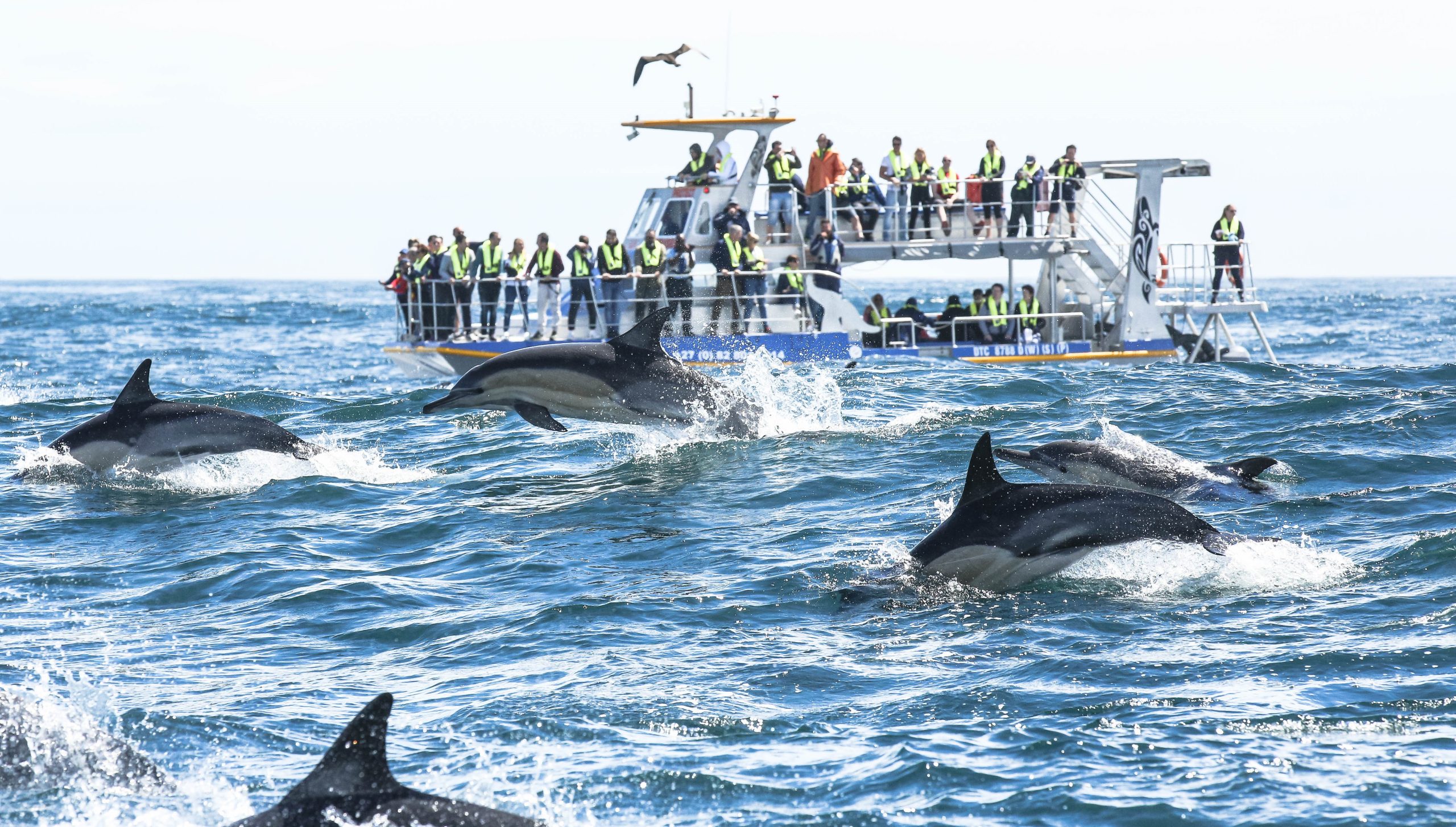
Magaruque came into view, its sand dunes rising behind a stretch of pristine beach. The boat cut its engine. We pulled on our snorkelling gear and dropped over the side. Below us, a reef unfolded like a slow-moving canvas – coral, anemones, giant clams, sea cucumbers, schools of fish in electric blues, yellows, and silvers. A single dolphin appeared in the distance, surfacing once before vanishing into deeper water.
Once done with snorkelling, we headed for shore. The sand was fine and pale, and squeaked beneath our feet. A billowing blue tent had been set up for lunch. Tablecloth, chilled wine, delicious food; nothing complicated, everything perfect. Not yet ready for lunch, we walked the island. Strolling along the waterline, we looked for shells and watched pale pink crabs scrambling to escape the waves. We climbed the tall dunes at the heart of the island and looked out over a full sweep of sea. The low tides had created a mosaic of sapphire, indigo and aquamarine in the water, and we could see into the permanent deep channel where we’d been snorkelling earlier. The mainland, only 8km away, was just a faint silhouette behind a band of haze. We returned for our waiting lunch. Content and happy, we sat, ate, drank and enjoyed having this tiny piece of paradise all to ourselves. A magical and memorable day
Back on the mainland, Saudade, a boutique, luxury villa that had been our home for the past few days, awaited. Huge open plan spaces, high thatched ceilings that let in the breeze, windows that framed ever-changing skies. Indoors that flowed into outdoors: from the breezy dining terrace to the sheltered lounge and bar, from quiet corners made for books and contemplation to the palm-framed infinity pool. Saudade didn’t shout for attention—it whispered.
Our room faced the sea. The bed was draped in white netting, and the whole space was textured and tactile. Woven baskets tucked neatly under benches, carved wood, soft cotton throws, and smooth floors underfoot, everything had been chosen with care.
From the minute we’d arrived, it had been easy to fall into the rhythm of Saudade. Each morning, I’d woken early, to the sound of waves and the scent of coffee, before wandering barefoot down to the beach. At low tide, the water retreated, leaving behind long flat stretches of sand, rippled with traces of the waves. Crabs the size of coins would scurry sideways into holes, and seabirds circled overhead in slow arcs. These long strolls along the sand were always followed by breakfast back at the villa, out on the terrace, with views over the silvery sea.
When the final morning came, the sea was still and the sky just beginning to lighten. I stood looking out over the water and listened; to the waves, to the birds, to the absence of everything else. That’s when I thought again of the villa’s name, Saudade. It’s a Portuguese word that doesn’t translate easily. It describes a deep, bittersweet feeling, a sense of longing or nostalgia for something you have loved and may never experience again in quite the same way. It’s not sadness exactly, but something softer; it’s the ache of something beautiful slipping just out of reach. And that, I realised, was exactly what this place had given me. Not just memories, but a mood, a rhythm I’d slipped into without noticing. A part of me was already missing it, even before I left. And that feeling—of stillness, of space, of saudade—is what I carried home.
Essentials:
Where to stay: Saudade is an idyllic beach hideaway. Book now on https://saudademozambique.com/ SADC rates are available.
How to get there: Airlink operates daily direct scheduled flights between Johannesburg, South Africa and Vilanculos, Mozambique. https://www.flyairlink.com/en-zm/flights-to-vilanculos