There’s a moment that happens every time I return to the Kruger National Park. A moment when the tar gives way to bushveld road, when mopane and marula narrow around the vehicle, when heat shimmers on the horizon and when the vastness of this ancient wilderness stirs something deep inside. It’s a reminder that Kruger isn’t simply a park. It is a living, breathing, evolving landscape of people, wildlife and memory – some of its story’s centuries old, others written in the dust of the next game drive. WORDS Tessa Buhrmann
This north-to-south journey through Kruger became not just an itinerary, but a tapestry of history, conservation, community, and connection. Kruger is more than a destination. It is a story still unfolding.
Where It All Began: A Legacy of Protection
In 1898, President Paul Kruger proclaimed the Sabie Game Reserve, alarmed that uncontrolled hunting was pushing wildlife toward extinction in the Lowveld. It was a radical act of foresight, protecting animals not for sport, but for posterity. Under the stewardship of James Stevenson-Hamilton and, later, SANParks, that fragile reserve grew into one of the world’s most celebrated protected landscapes. Today, nearly two million hectares of wilderness form the core of what we know as the Kruger National Park – the ecological heart of the Greater Kruger.
Yet this history is not only about wardens and wildlife. It is also about ancient settlements, sacred landscapes and communities whose roots are deeply entwined with this land.
Nowhere is that more evident than in the far north.
Pafuri: Rivers, Baobabs and the Makuleke Story
After entering at Punda Maria Gate, we travelled north to Pafuri – that wild, almost mythical corner of Kruger where the Luvuvhu River curves through fever tree forests and baobabs rise like ancient guardians.

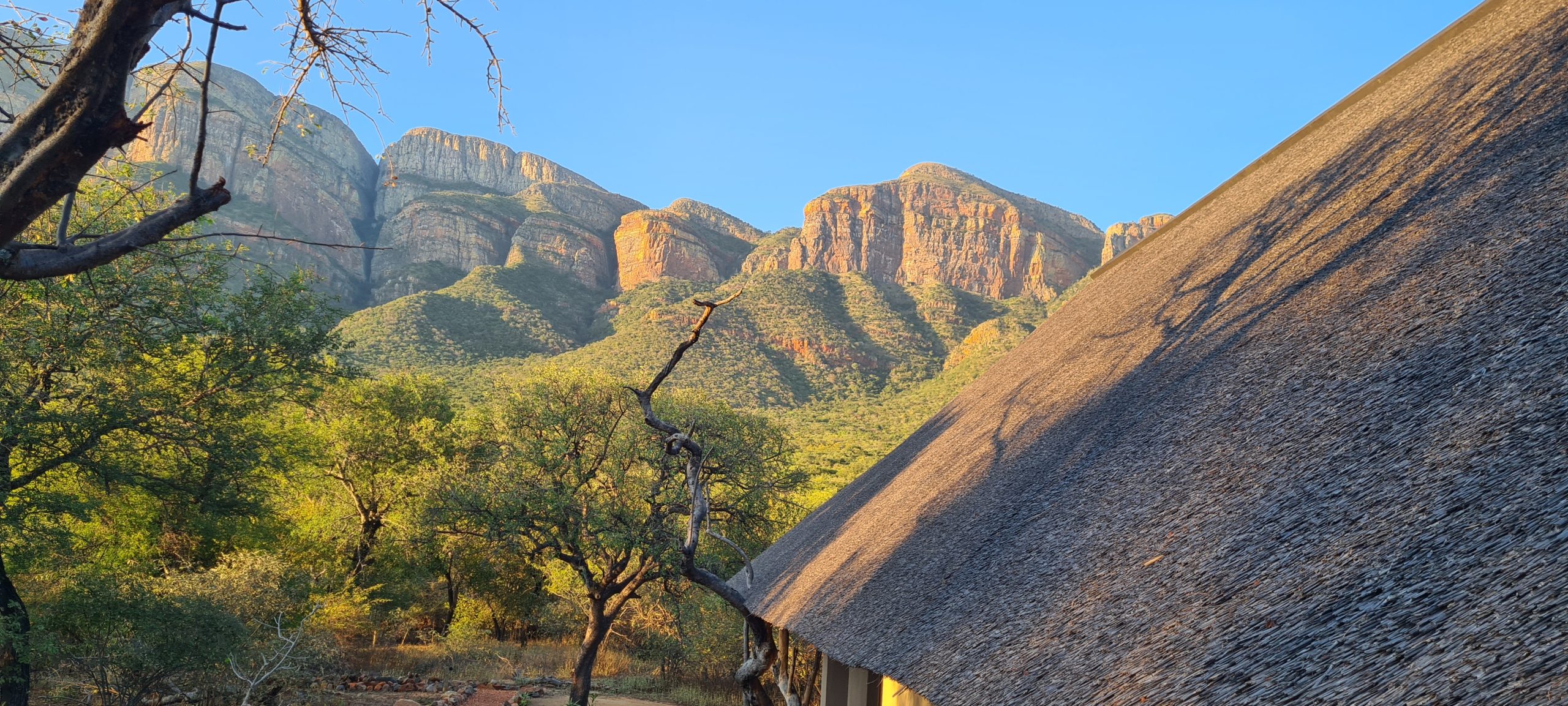
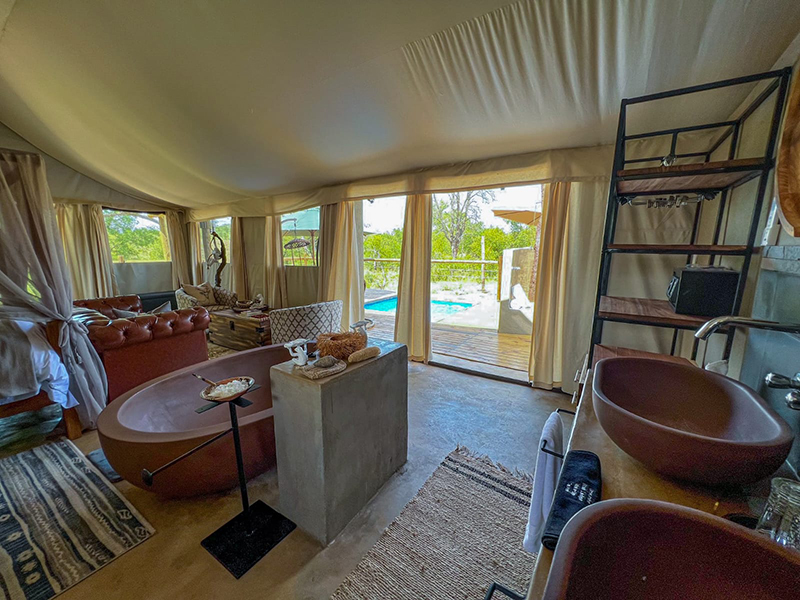
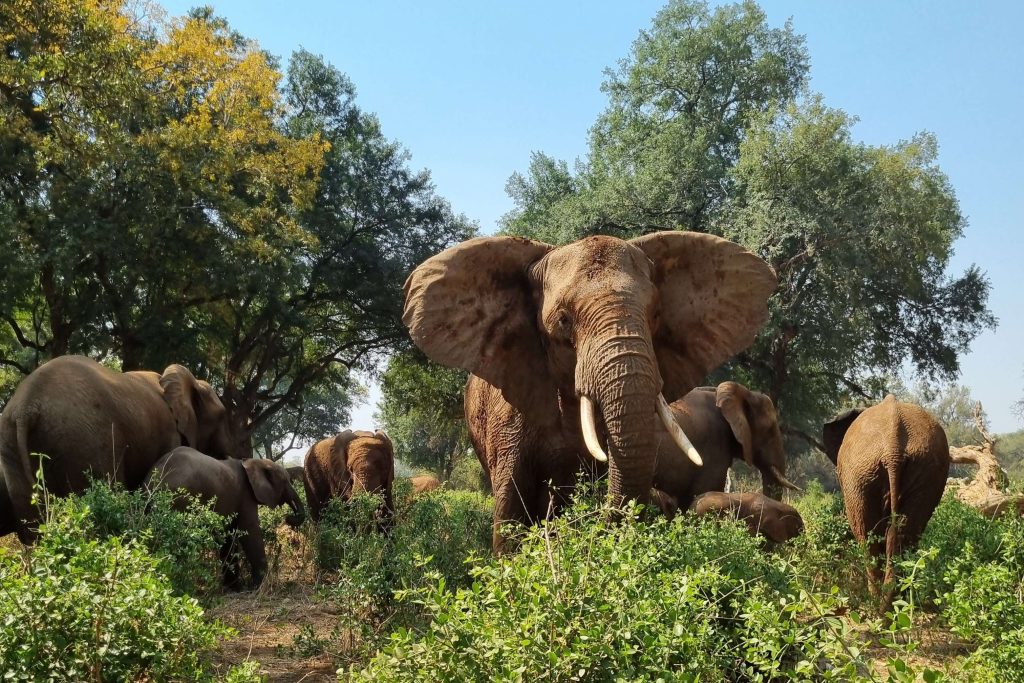
Three marvellous days at Return Africa’s Pafuri Tented Camp immersed us in the Makuleke Contractual National Park, land returned to its rightful custodians in 1998 after forced removals during apartheid. The landscape feels different here. Older. Softer. Wiser. Ochre-tinged mopane groves give way to riverine forest where nyala slip through shadows and elephants move silently toward the water. Dawn is heralded not with lion roars – though they are never far – but with birdsong.
Pafuri is one of South Africa’s premier birding destinations. Pel’s fishing owl, racket-tailed roller, African broadbill, trumpeter hornbill, to name but a few. Even as a casual birder, I found myself scanning treetops with intent, binoculars close at hand.
We explored the ancient archaeological site of Thulamela – a 13th-century stone-walled kingdom perched high above the Luvuvhu River. Walking among its restored walls with Hlahla, our Makuleke guide, we heard stories of trade routes linking this hilltop settlement to Great Zimbabwe and distant Indian Ocean markets. Gold beads and porcelain fragments speak of a sophisticated civilisation long before colonial lines were drawn on maps.
Later, sundowners in the fever tree forest turned the world gold. Another morning, coffee at Lanner Gorge offered sweeping views over the river valley below – eagles soaring above and elephants threading through green ribbons of vegetation.
When the Makuleke people regained their land, they chose conservation over commercial development. Today, tourism revenue supports employment, education and community upliftment. It is a model proving that heritage, wildlife and human wellbeing can coexist – and thrive – together.
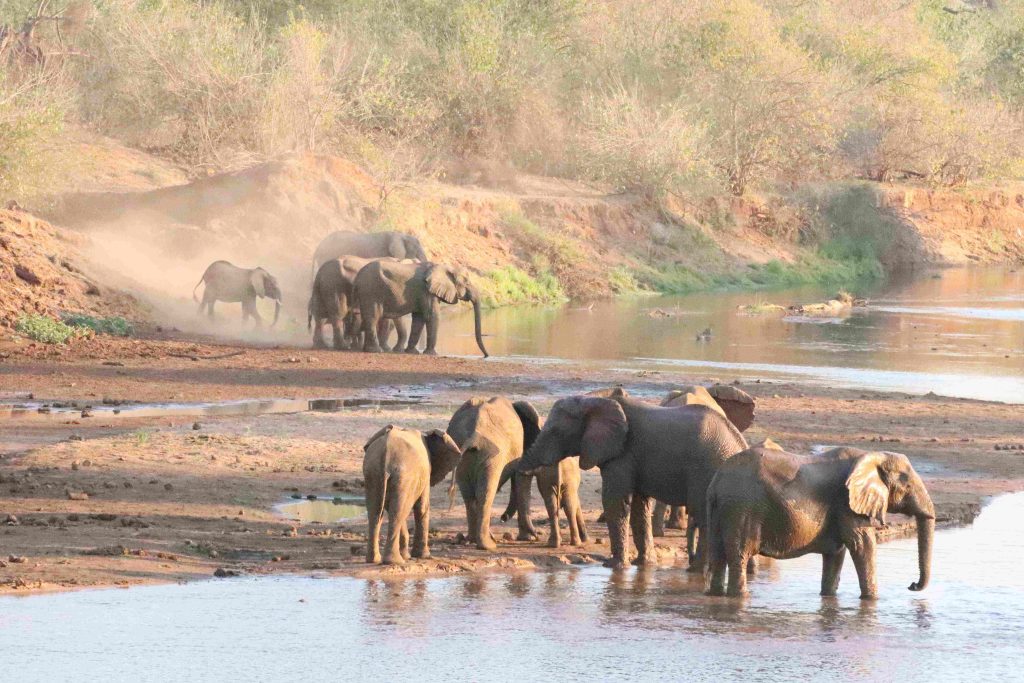
Watching elephants cross the river at dawn, it felt as though the very origins of the Kruger story were alive before us.
The Soul of the Park: SANParks Rest Camps
From Pafuri, we began the long meander south, stopping briefly at Crooks Corner, where the Luvuvhu meets the Limpopo near the borders of South Africa, Zimbabwe and Mozambique. There is something quietly thrilling about standing at that geographic meeting point.
Then it was down through Punda Maria, Shingwedzi and Olifants, each a SANParks camp with its own personality. These rest camps are the democratic heart of Kruger. Relatively affordable, unpretentious and deeply nostalgic, they offer rondavels, chalets, campsites, restaurants and surprisingly well-stocked shops. Braais smoke at dusk. Children compare wildlife sightings. Retired couples sip coffee overlooking waterholes.


A stop at the Tropic of Capricorn marker felt obligatory. Breakfast at Mopani Camp overlooking Pioneer Dam was a highlight – definitely added to our future stay list. Letaba Camp’s Elephant Environmental Education Centre impressed us enormously, showcasing research and conservation efforts dedicated to Kruger’s iconic giants.
Wildlife sightings unfolded generously: elephants bathing, drinking, mud-wallowing and eating – endlessly eating; a buffalo herd numbering in the hundreds; solitary dagga boys; giraffe, zebra and impala in abundance. No cats initially – until three young male lions appeared as we departed Olifants at sunrise.

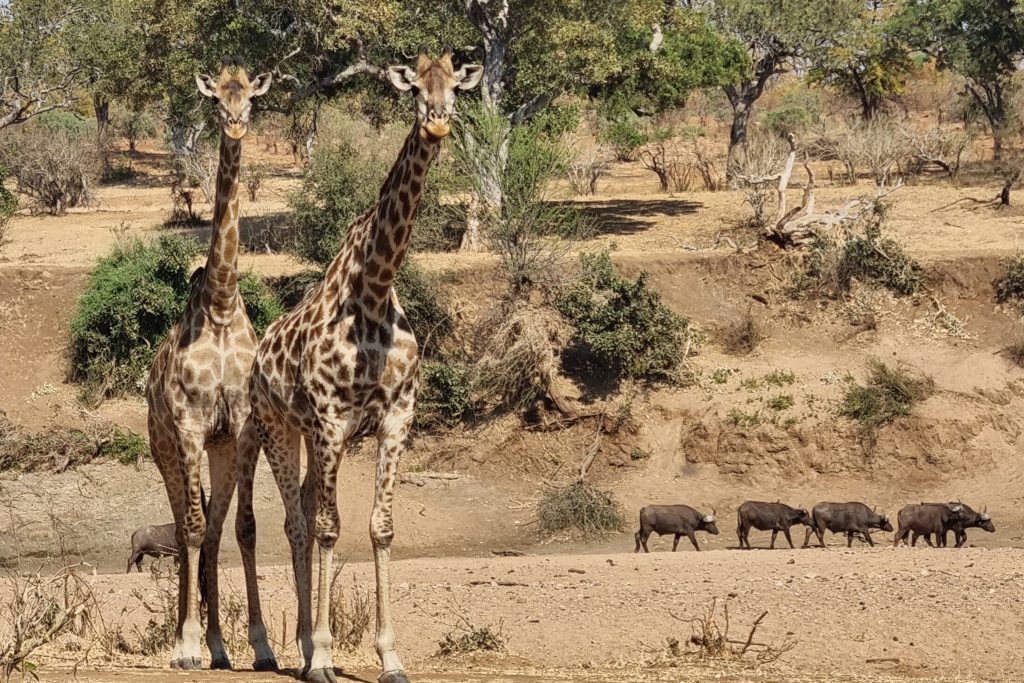
The mopane trees were extraordinary – from scrubby shrubs to tall, stately specimens with leaves ranging from burnt orange to golden yellow. My hubby gently asked how many sunset photos one actually needs. The answer, clearly, is always one more.
Behind these camps lies serious conservation work. SANParks’ anti-poaching units patrol tirelessly. Ecologists monitor elephant impacts and predator dynamics. Fire is managed scientifically. Water systems are balanced carefully. Environmental education programmes nurture the next generation of conservationists.
Here, conservation belongs to everyone.
Kruger Untamed: Wilderness Reimagined (pics supplied)
If the rest camps ground you in Kruger’s shared history, Kruger Untamed draws you somewhere far more personal, the quiet, unfiltered presence of the bush itself. This we experienced in abundance as our journey continued at the two Kruger Untamed camps – Satara Plains Camp, followed by Tshokwane River Camp.
At its core, Kruger Untamed feels like a quiet return to how safari should be, uncomplicated, respectful, and deeply connected to the land. Working in close partnership with SANParks, everything is done with a lightness of touch. The camps rise with the winter season and disappear again without a trace, as though they were never there at all. There’s something reassuring in that impermanence, it shifts your mindset. You’re not arriving somewhere built for you; you’re stepping, briefly, into a space that belongs entirely to the wilderness.
What stayed with me most was how intentional it all felt. There’s no excess here, no sense of overindulgence, just thoughtful simplicity. Water is used carefully, power is minimal, and the focus is firmly on experience rather than comfort for comfort’s sake. And yet, you never feel as though you’re going without. Instead, your attention is drawn to what really matters: the feel of the earth underfoot, the stories carried in the sand, the privilege of time spent, being present, in the bush.
It’s also about slowing things down, spending more time walking and learning, which shifts the emphasis entirely. You’re not chasing sightings or ticking off a list; you’re paying attention, asking questions, beginning to understand the rhythm of a place like Kruger in a far more meaningful way. In a landscape where safari can so easily become polished and predictable, Kruger Untamed feels honest. And that, for me, is its greatest luxury.
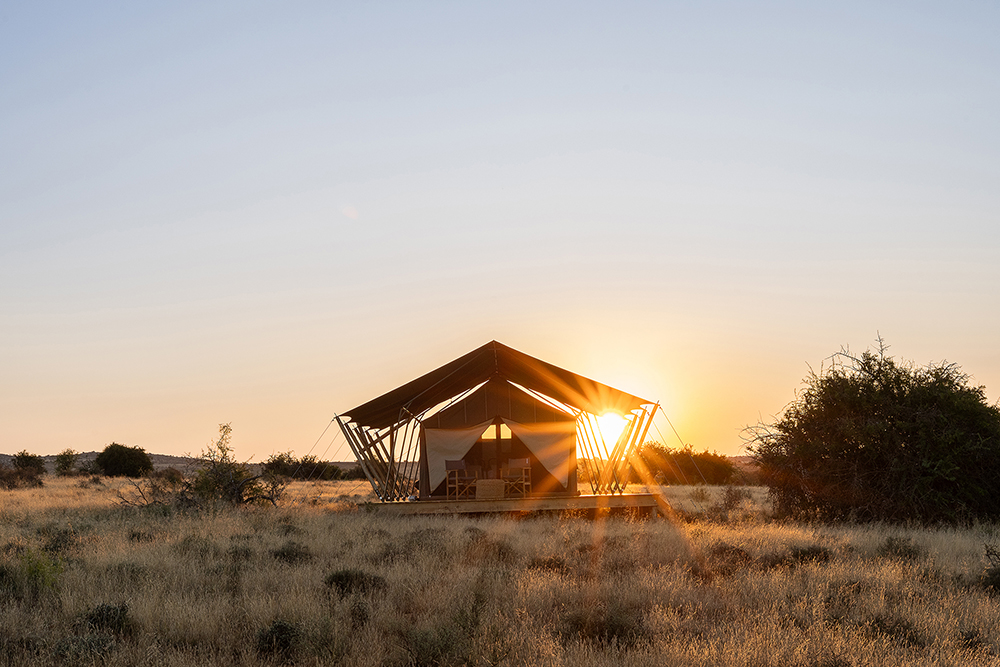
At Satara Plains Camp, the camp itself felt as though it had simply appeared, canvas tents tucked beneath trees, barely disturbing the surrounding grassland. We made our way to our tented suite, set beneath trees with expansive views of the grassland. Eco-loos, bucket showers, lantern-lit dinners and wonderful food prepared by warm, attentive staff creates an atmosphere that feels both simple and indulgent.

The highlight, though, was the walking.
We woke early, and coffee in hand, I enjoyed the soft morning light before stepping straight into the bush. Walking here is something else entirely. Without the safety of a vehicle, everything feels closer, the senses heightened. You notice the small things – the imprint of hooves in the sand, the way a broken twig tells of something passing in the night, the sudden silence when birds sense movement. It’s not about what you see as much as what you begin to understand.
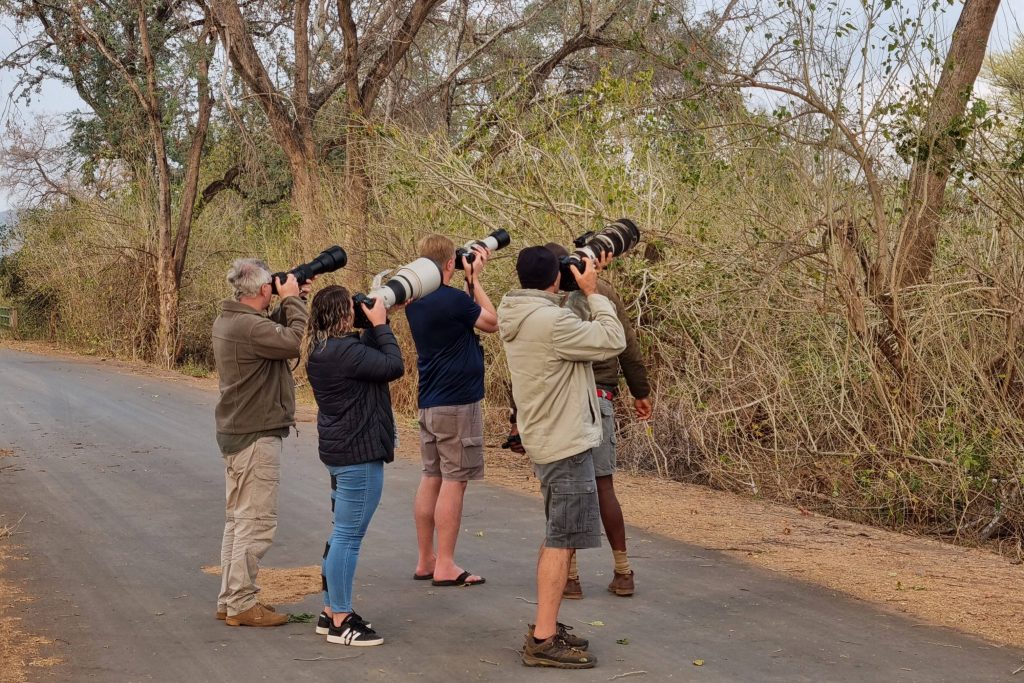
Seeing giraffe, warthog and elephants on foot shifts your entire perspective. Watching a breeding herd of elephants move slowly through the bush is quietly thrilling, there’s an undeniable surge of adrenaline in their closeness, and yet, in the steady, assured presence of our guides, I wasn’t fearful. Instead, the moment was something far more special: one of complete trust, and absolute awe.
Our experience highlights that walking safaris are less about chasing the Big Five and more about understanding the details – spoor pressed into sand, middens, scat, broken twigs, alarm calls from birds. The bush becomes a living textbook, interpreted by passionate guides.
Back in camp, the simplicity felt quietly indulgent. A bucket shower, heated by a donkey boiler, became less about necessity and more about ritual, what’s been done in the bush for centuries. The smell of the fire, the warmth of the water, the cool air beyond the canvas. Dinner was served under the stars, generous and unexpectedly refined, with laughter shared easily between guests and staff. There’s something about these kinds of places that dissolves formality. One night there felt impossibly short.
Tshokwane River Camp had a different energy altogether. Set along a dry riverbed beneath towering trees, it felt wilder, a little more untamed. The sand was alive with stories – buffalo tracks layered over one another, evidence of a herd that must have moved through in great number. You could almost feel their presence lingering.

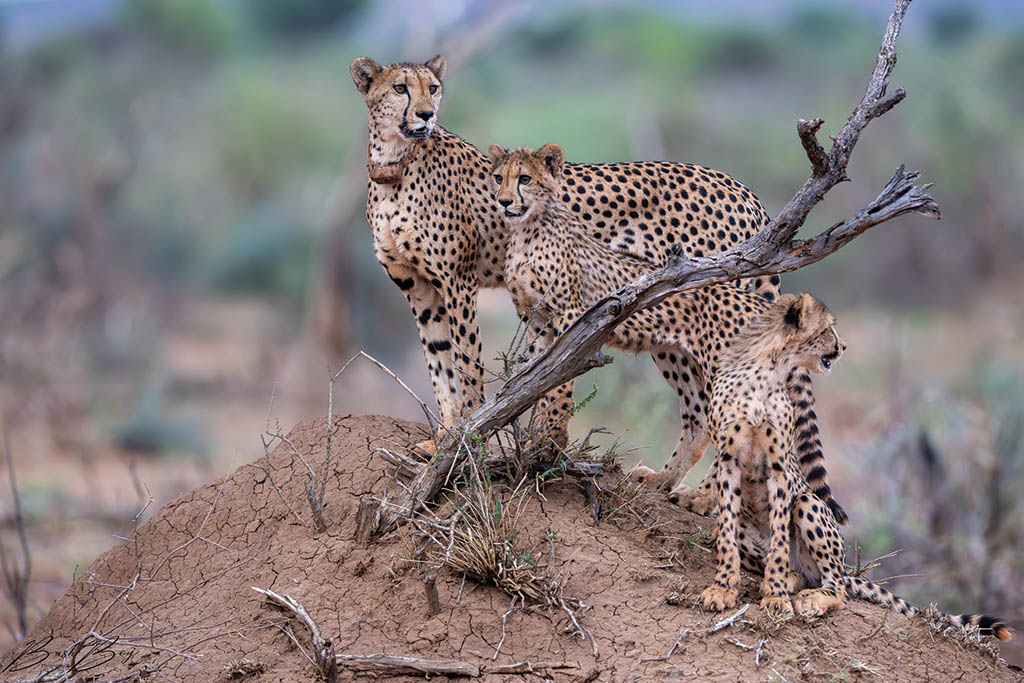
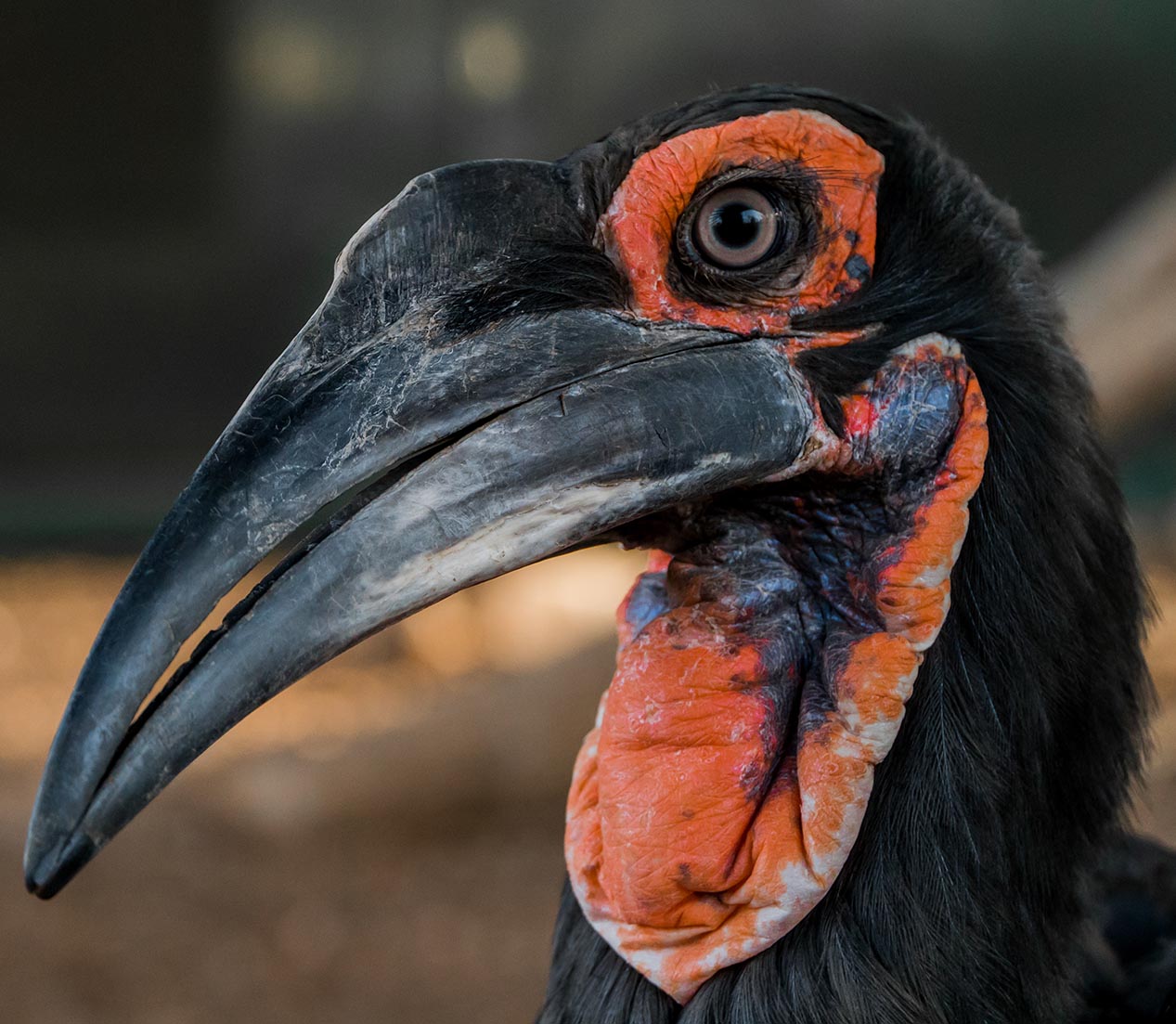
I chose to walk again the following morning, drawn back to that slower, more intimate way of being in the bush. There’s a stillness at that hour that settles into you, the kind that stays long after you’ve left. Meanwhile, my hubby headed out on a drive and returned brimming with stories, his version of a “best of five” delivered with much enthusiasm: one secretary bird, ‘two’ many elephants, three cheetah, four lions and five Southern ground hornbills.
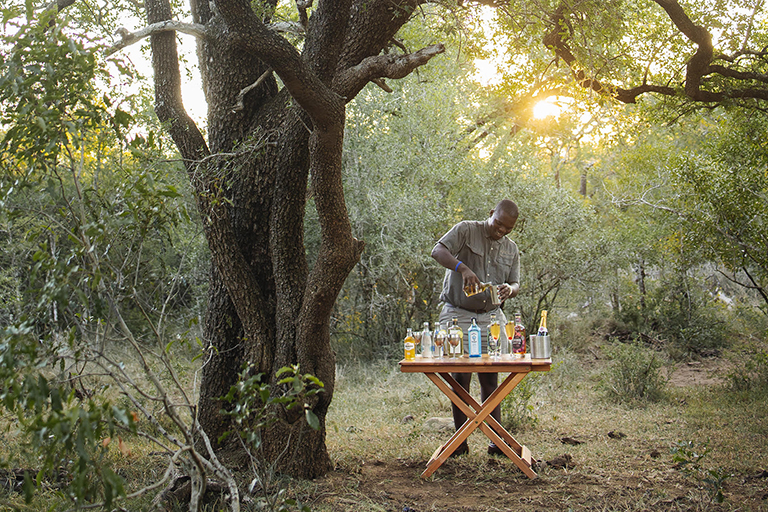
But it was the late afternoons that stayed with me most. Once the self-drive vehicles had made their way back to camp, we remained. There’s a shift that happens; the bush seems to exhale as the roads become deserted. The light softens, and you feel, briefly, if only for the evening, that you have Kruger all to yourself. We stopped for sundowners beneath a perfectly chosen tree, sipping gin and tonics as the sun slipped below the horizon. It’s the kind of moment that asks nothing of you except to be present.
Kruger Untamed, for me, wasn’t about luxury in the traditional sense. It was something quieter, more meaningful. Canvas walls, starlit dinners, footsteps on sand. And the rare privilege of experiencing Kruger not just as a place to visit, but as one you move through, slowly and deliberately.
A Bridge Between Past and Present: Kruger Shalati (pics supplied)
From wilderness simplicity to historic indulgence – a night aboard the Kruger Shalati Train on the Bridge felt like stepping into a cinematic dream. There’s something quietly surreal about sleeping on a train that never moves, yet feels so deeply connected to the rhythm of the bush.
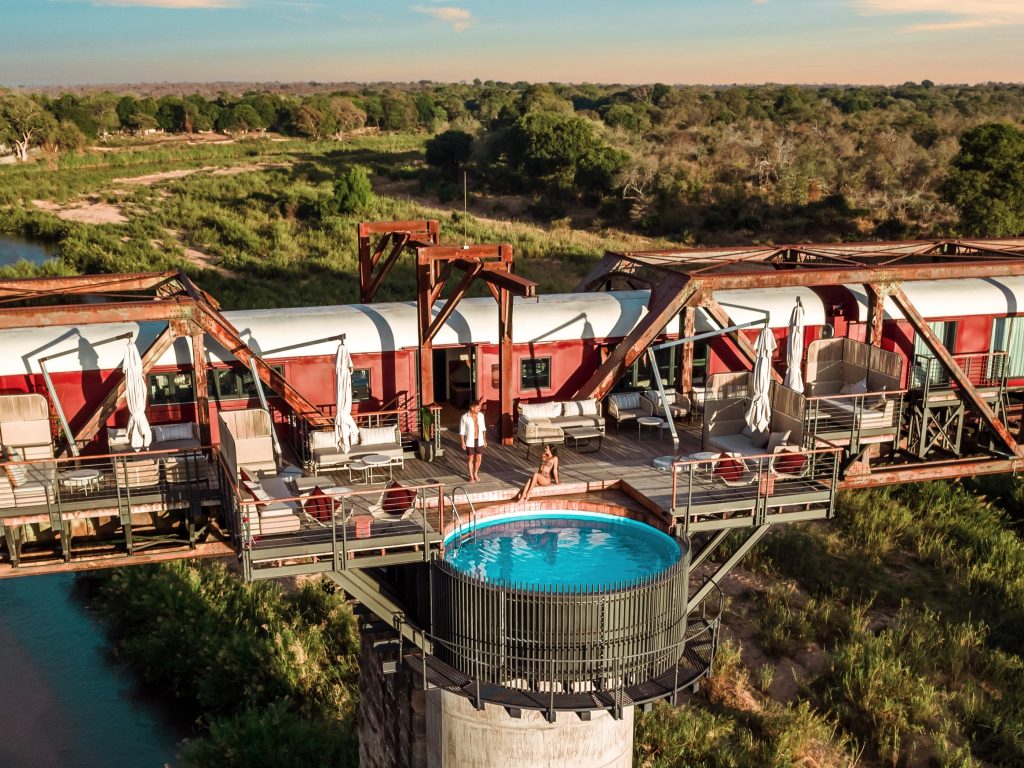

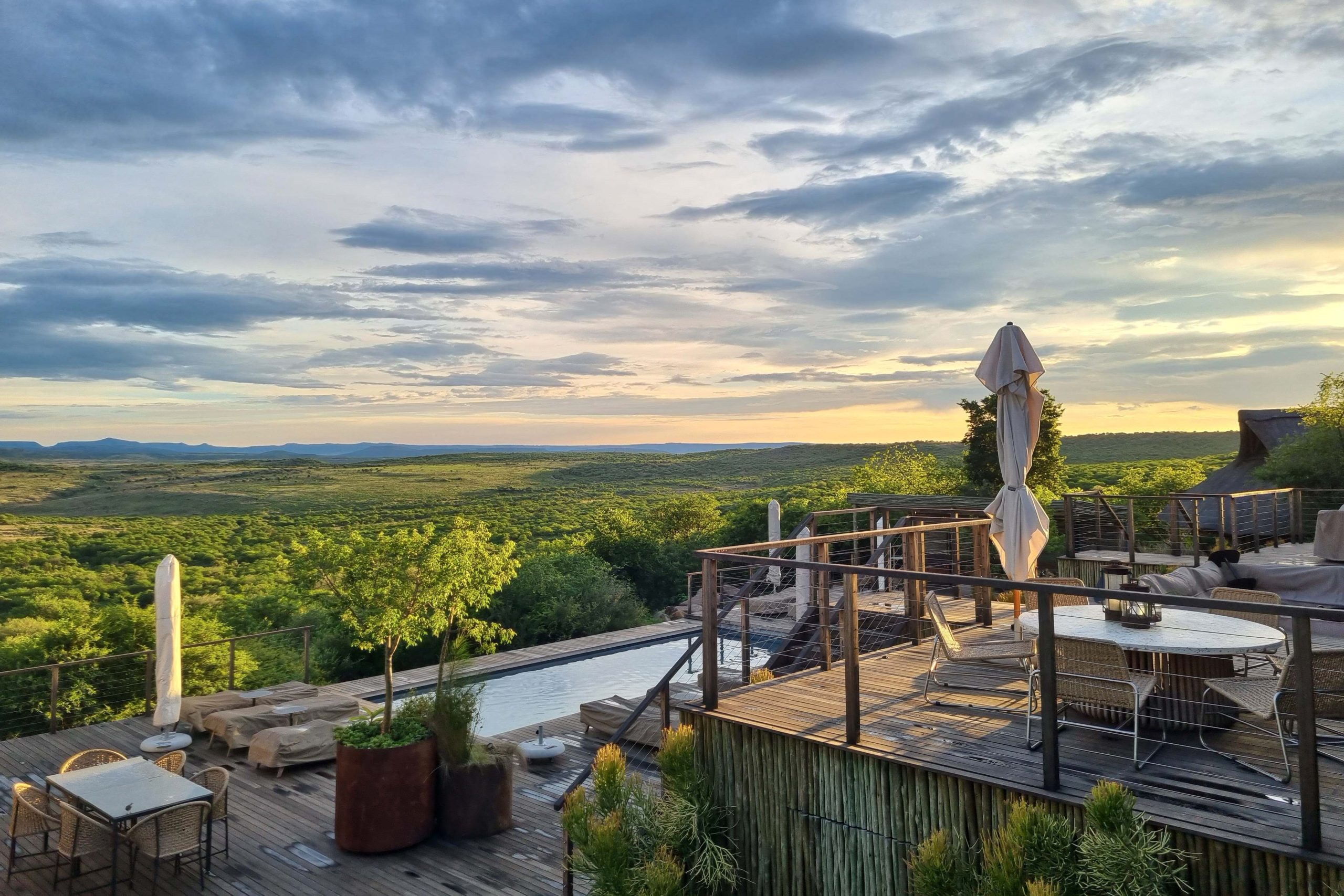
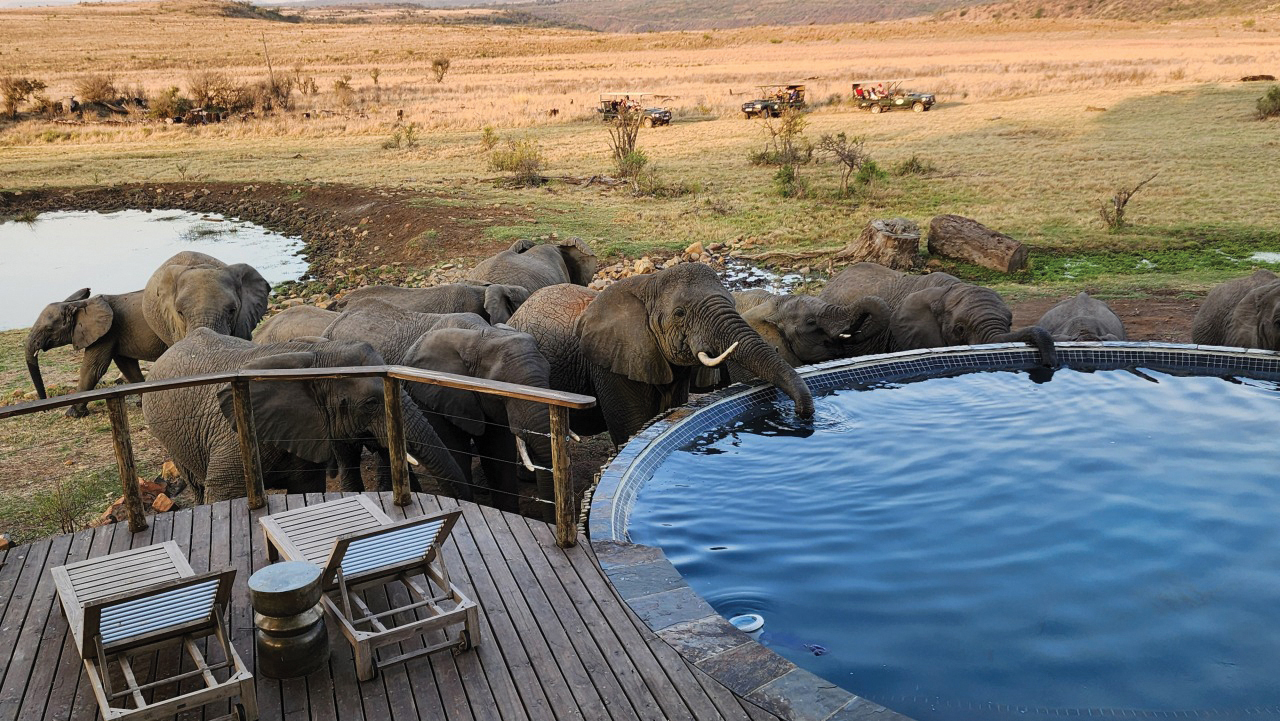
Permanently stationed on the old Selati Bridge above the Sabie River, the refurbished carriages are an elegant blend of nostalgia and contemporary luxury. Our glass-walled suite opened the wilderness right into the room; from bed, we watched elephants amble down to drink, their reflections rippling in the water below. The pool, suspended over the river, felt almost improbable – as if you were floating above a world of hippos and crocodiles going about their ancient routines.
Our afternoon game drive delivered a leopard sighting complete with “traffic,” but thanks to our elevated vantage point we watched as she fed on the impala she had hoisted into a tree, later draping herself elegantly along a branch in classic leopard pose.
Sundowners on the high level bridge rivalled the sighting – the echo of baboons, the low chorus of hippos, the distant trumpet of elephants. After the crowds returned to their camps, the bridge felt ours alone. After a restful night, we chose a slow morning, sipping coffee in our suite as the sun rose, then exploring the engineering marvel of the historic steel girders. If only they could speak.
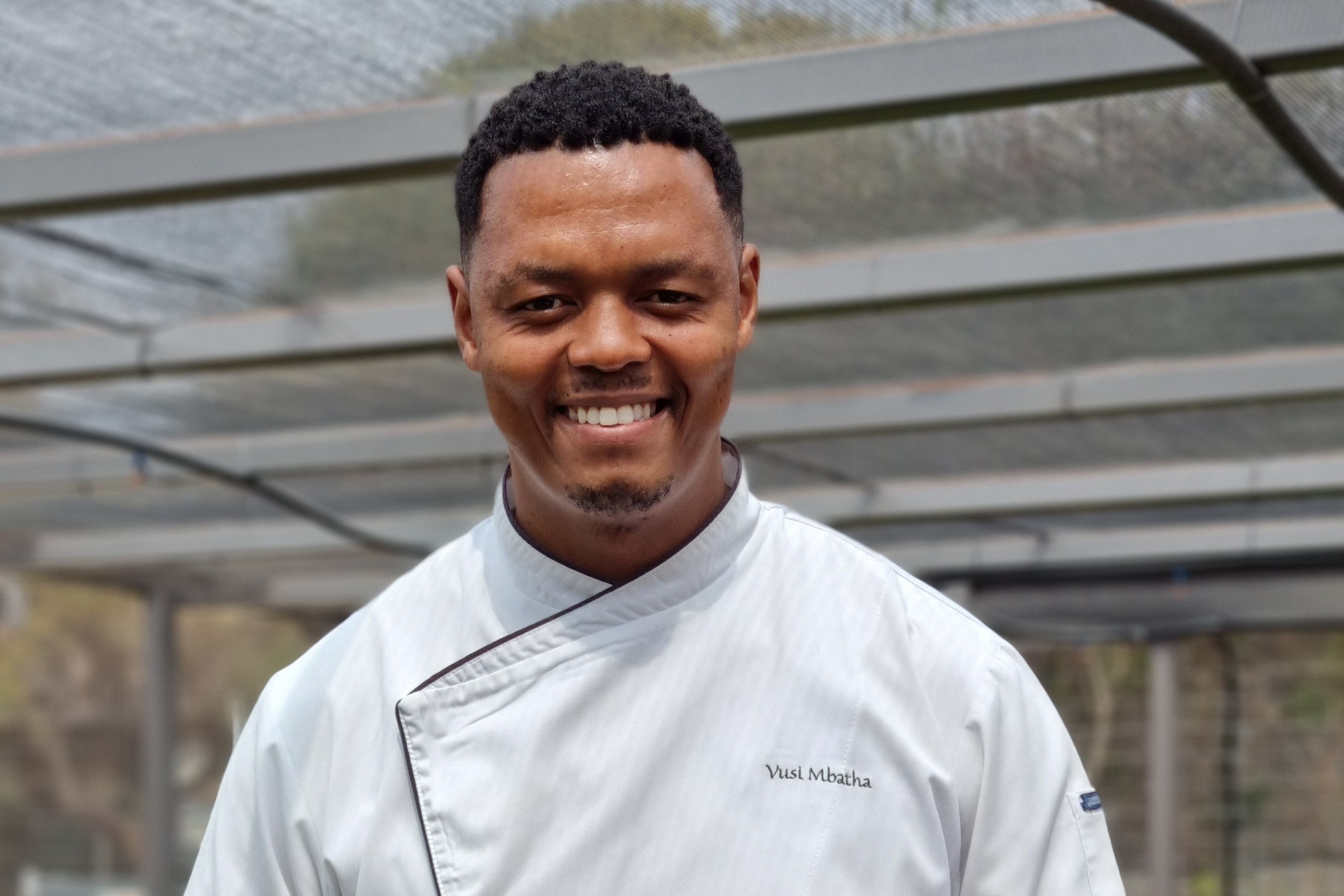
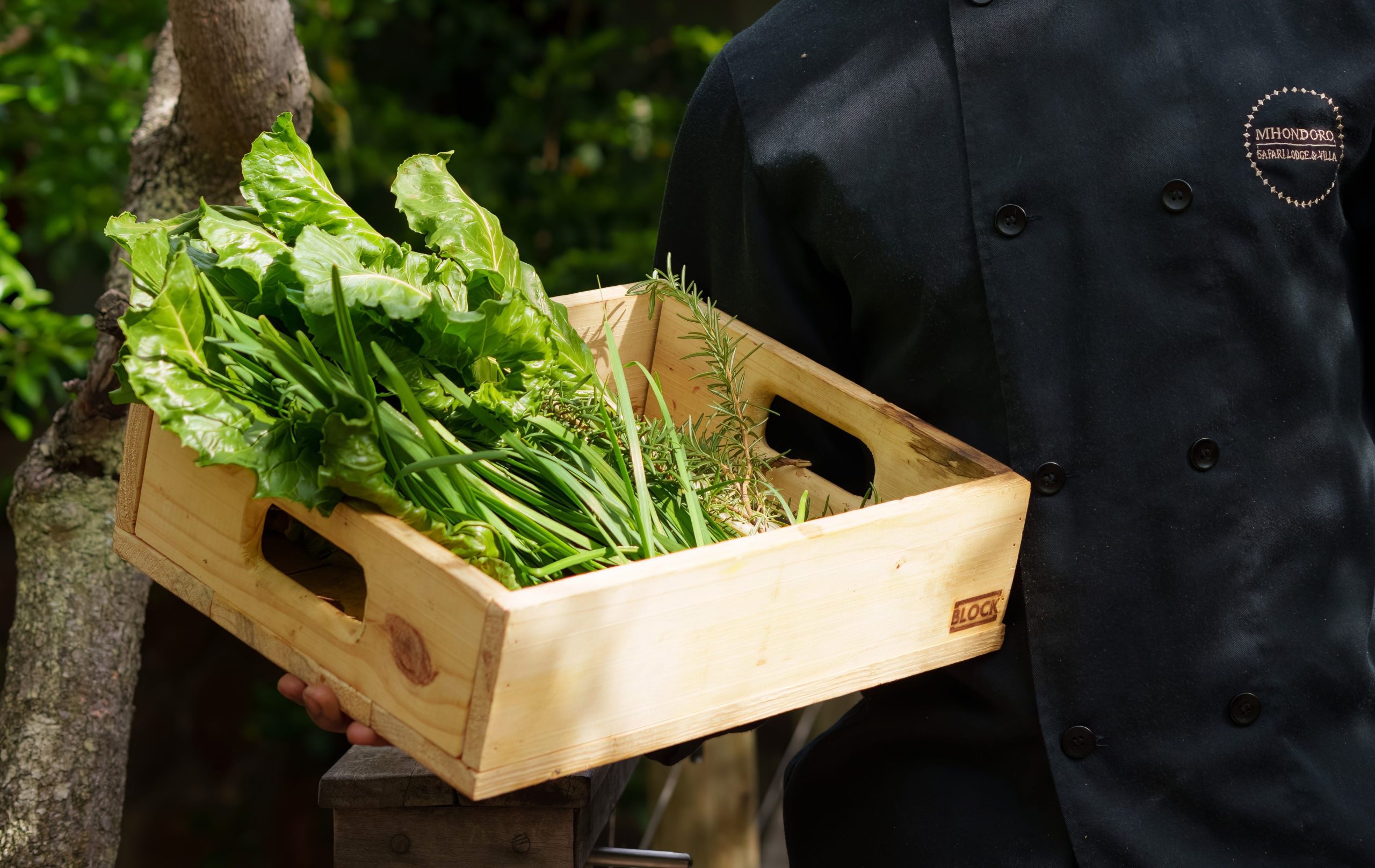
Chef Vusi and his team produced exquisite dishes – sophisticated takes on traditional flavours, beautifully plated. Sommelier Tinashe poured thoughtfully selected wines. Later, Chef introduced us to Mr Philemon in his garden, where fresh beetroot and edible flowers destined for dinner were grown metres from the kitchen. (Read the full story on page 84)
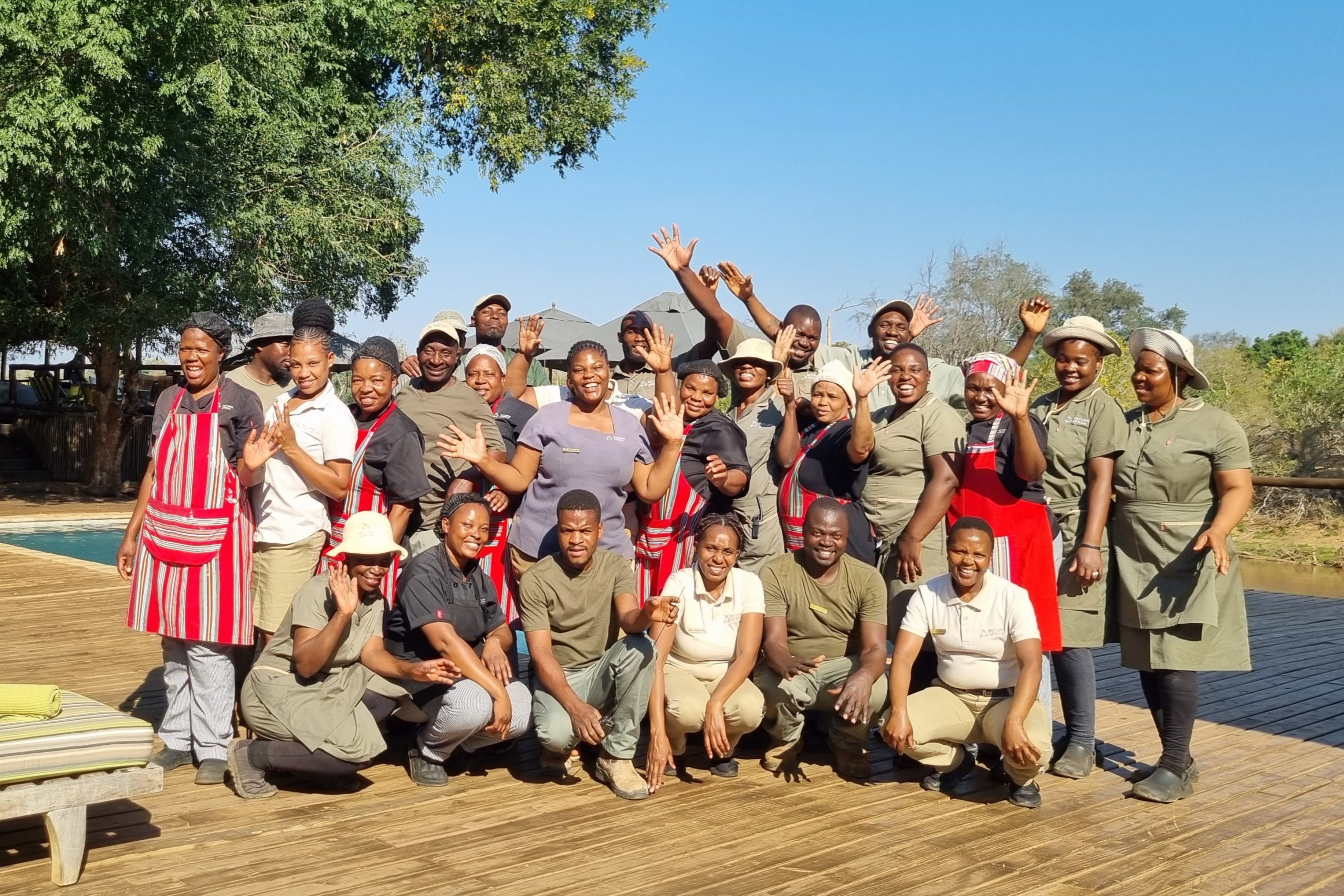
Manager Justice Mutshinya spoke proudly of staff recruited from nearby communities and students receiving hands-on hospitality training. Mzwandile, once in retail, now thrives as a waiter. Student housekeeper Glad posed shyly for a photograph.
Luxury here is layered, on purpose, and with purpose.
Elephant Walk: A Gentle Farewell (pics supplied)
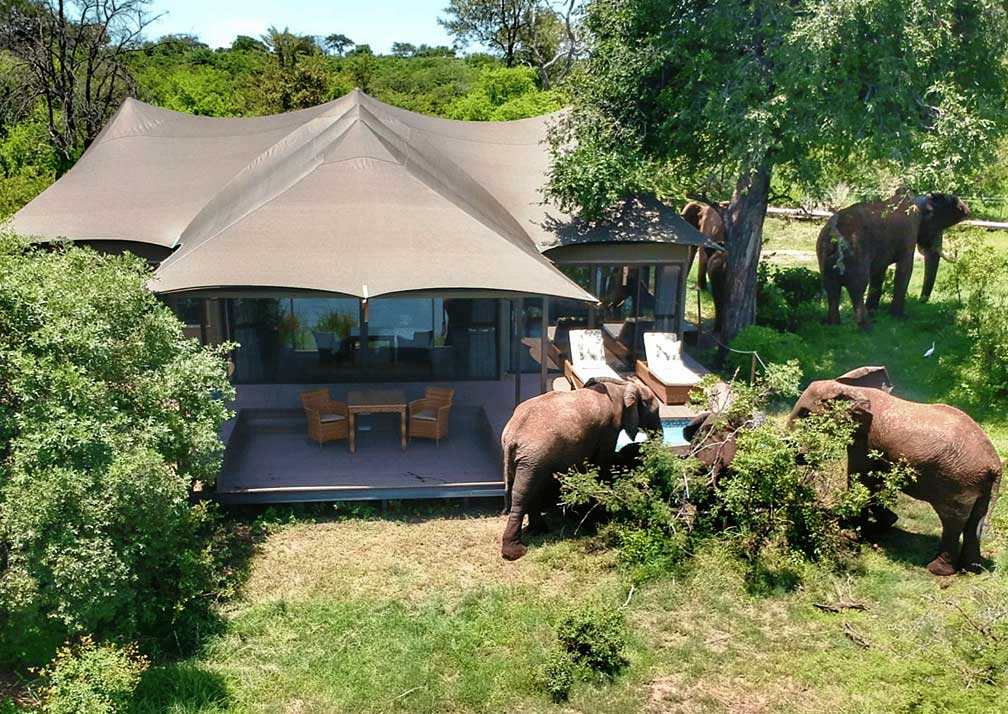
Our journey ended just outside Crocodile Bridge Gate at Elephant Walk Tented Camp – newly opened, not quite finished at the time, but already welcoming guests warmly. Shortly after our arrival, a small herd of elephants crossed the Crocodile River, one of
many sightings during our two-night stay.

The location is ideal: the perfect first stop if entering Kruger from the south, with no stress about racing the gate before closing time – or if you need to leave for home before Kruger’s gates open. Our spacious luxury tent featured double basins with excellent lighting (rarely a given!), generous hanging space, separate loo, plush bed, abundant plug points and both ceiling fan and aircon. Bliss in the Lowveld heat. The deck offered front-row seats to the river’s theatre.
Two daily game drives were included – a treat after many self-drive days. Guide Simon was knowledgeable and attentive, happily stopping for birds and beautiful trees as enthusiastically as for predators. Over two days we saw elephants, giraffe, buffalo, two cheetah brothers and a leopard. A spotted hyena loped through the veld. Southern ground hornbills strutted solemnly. A bateleur eagle tore into what appeared to be a slender mongoose.
Unbeknownst to us, three lions passed along the riverbank during dinner – captured on camera – perhaps following the impala herd we’d glimpsed after dark. A reason to return.
It felt as though we were still in Kruger, yet with the freedom to depart before sunrise if we wished.