It’s just before dawn in Kenya’s Maasai Mara National Reserve. Our morning had begun long before sunrise, when we’d climbed into our safari vehicle at the stunning and special Cottars 1920s Camp, and set off across the park in near-total darkness. The headlights illuminated a winding and rutted track, occasionally catching the flicker of antelope eyes or the silhouette of a family of elephants hastily retreating into the bush.
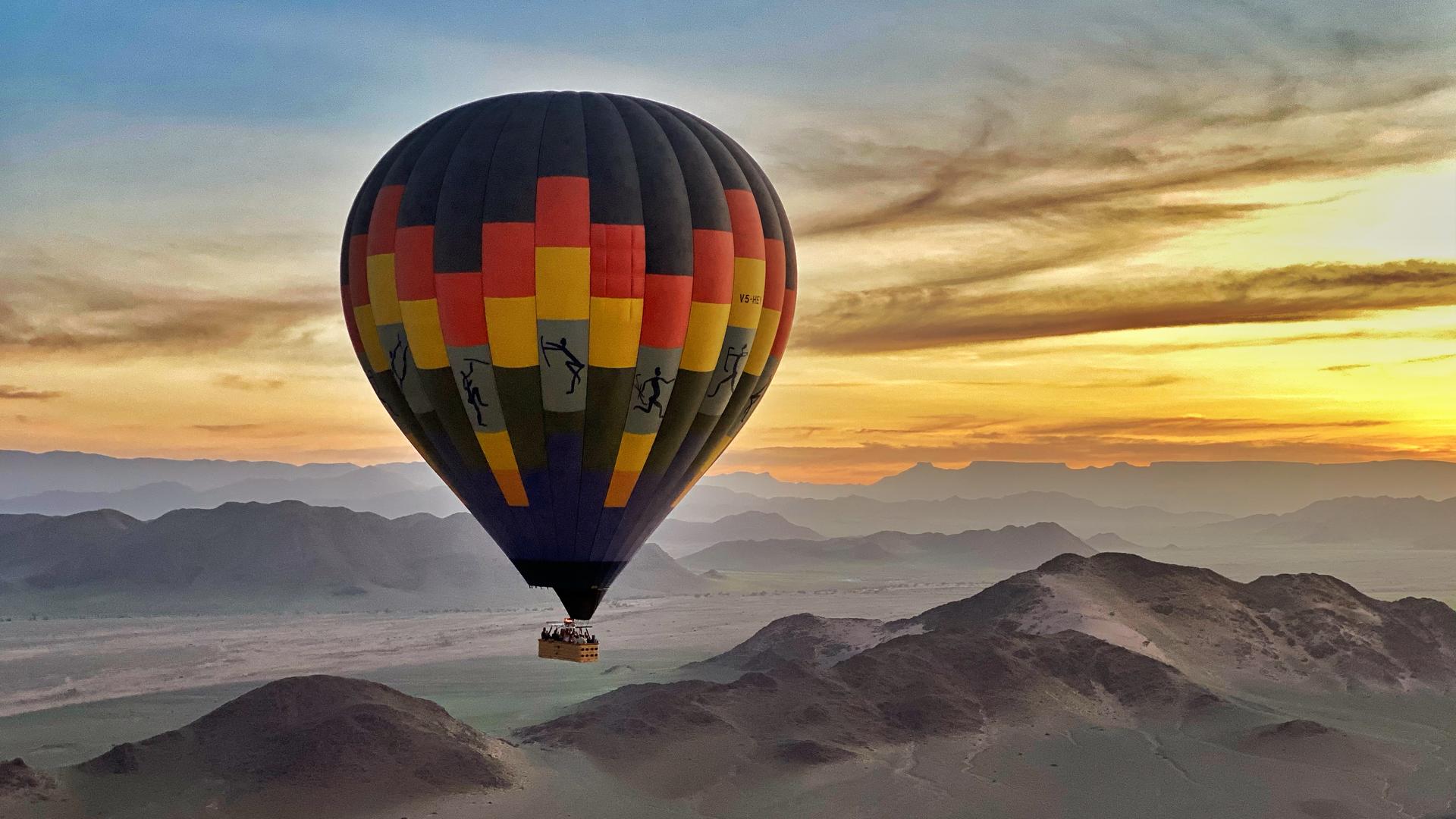
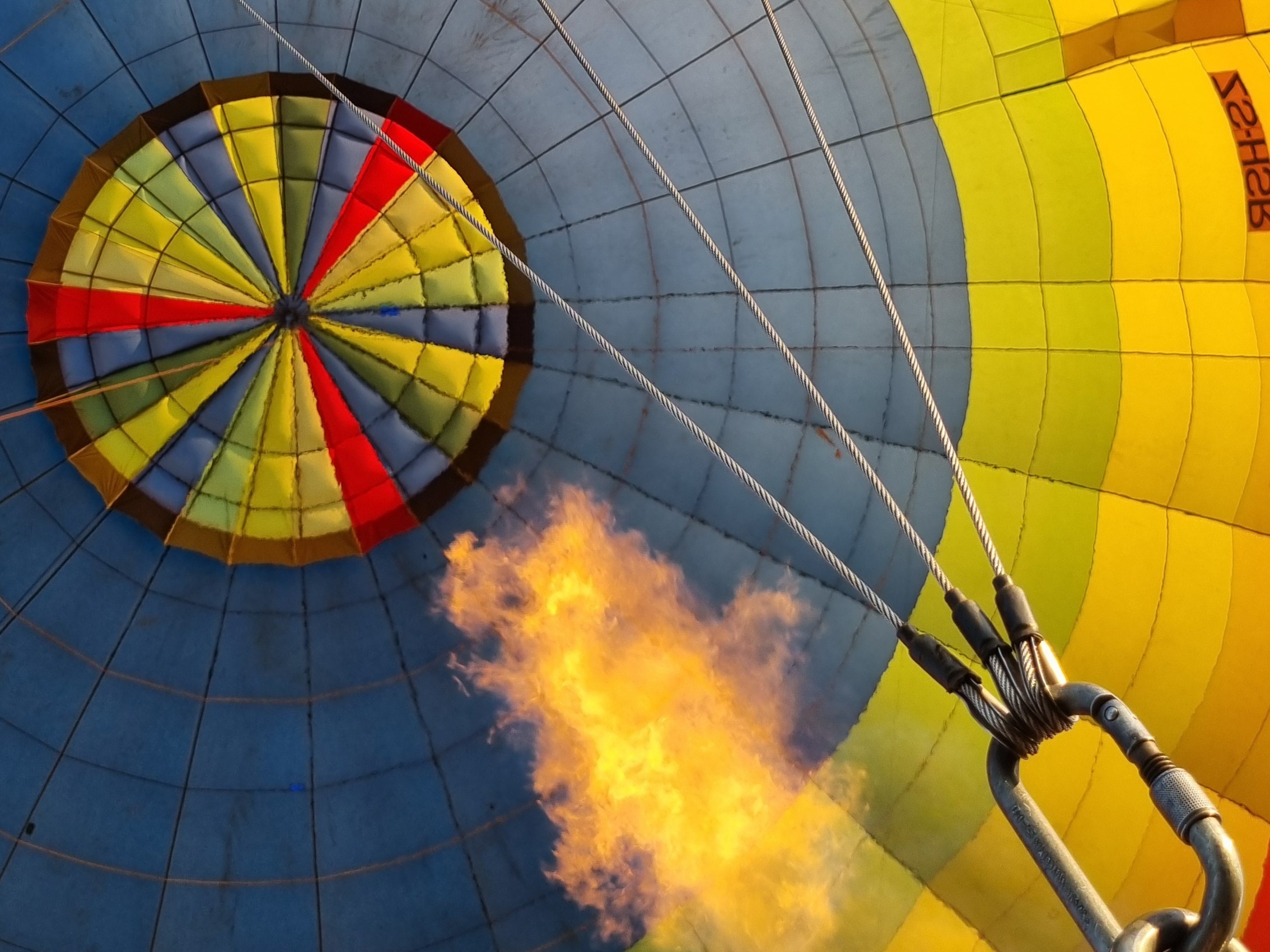
By 6 am we reach the launch site. Everything is already in motion. Massive swathes of colourful balloon fabric stretch out across the ground, as the crew from Mara Ballooning works to inflate it with fans and bursts of flame. We stand watching the transformation.
Then comes the safety briefing, which is clear and concise, outlining everything from take-off procedure to landing positions. Fortunately, the briefing is ‘brief’, as a swarm of safari ants (siafu) has arrived, and everyone is suddenly swiping and swishing at their legs, trying to remove the vicious little creatures. We clamber into the balloon basket and crouch at the bottom, ready for lift-off.
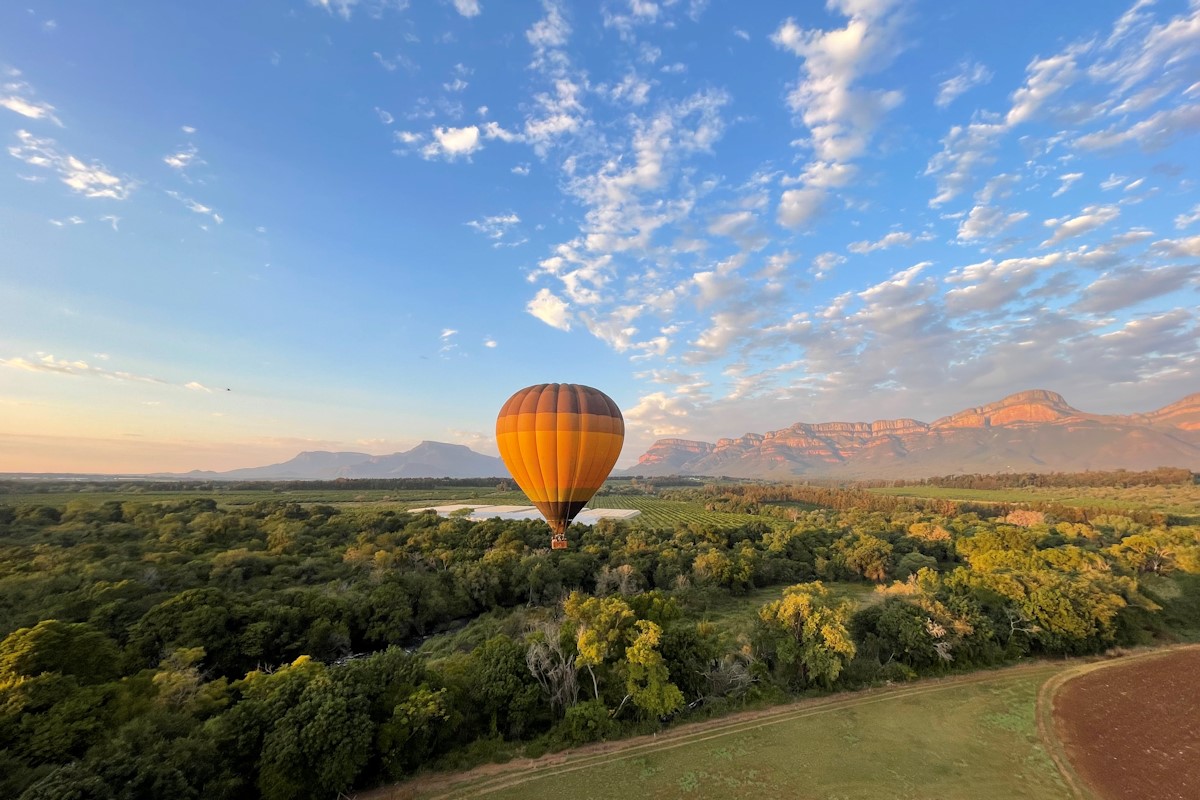
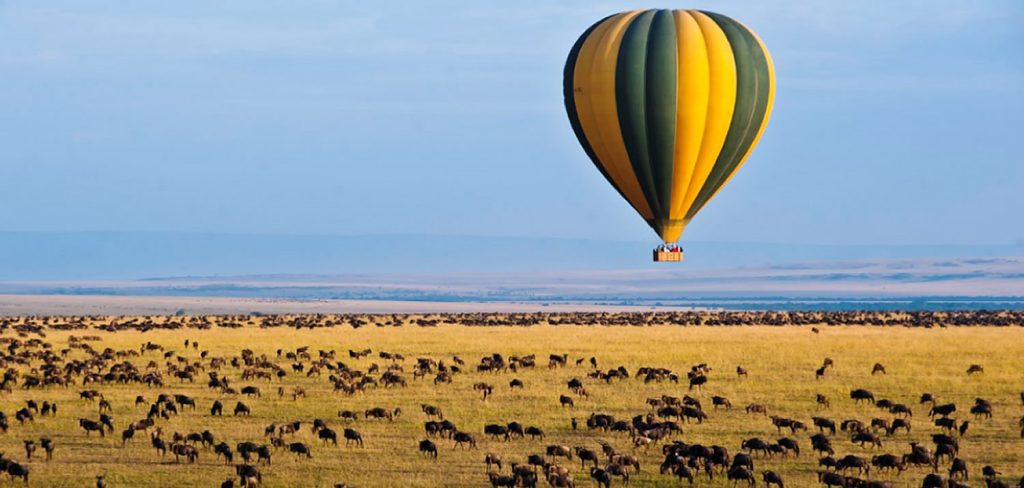
The balloon is now upright. The pilot gives a few controlled pulls on the burner, and almost imperceptibly we began to rise. There’s no dramatic lift, no sudden, jerking motion, just a slow, graceful separation from the earth. In fact, by the time we’re told we can stand up, we’re already airborne. Take-off had been so quiet and gentle we’d barely registered it.
We keep climbing; 10 metres, 50 metres, 100 metres, higher and higher, until the Mara spreads out beneath us. The early light stretches across the plains, revealing an immense, green landscape. Despite being hundreds of metres in the air, there’s no sense of height in the usual way. The balloon drifts so smoothly it felt as though we’re suspended in place, the earth moving beneath us rather than the other way around.
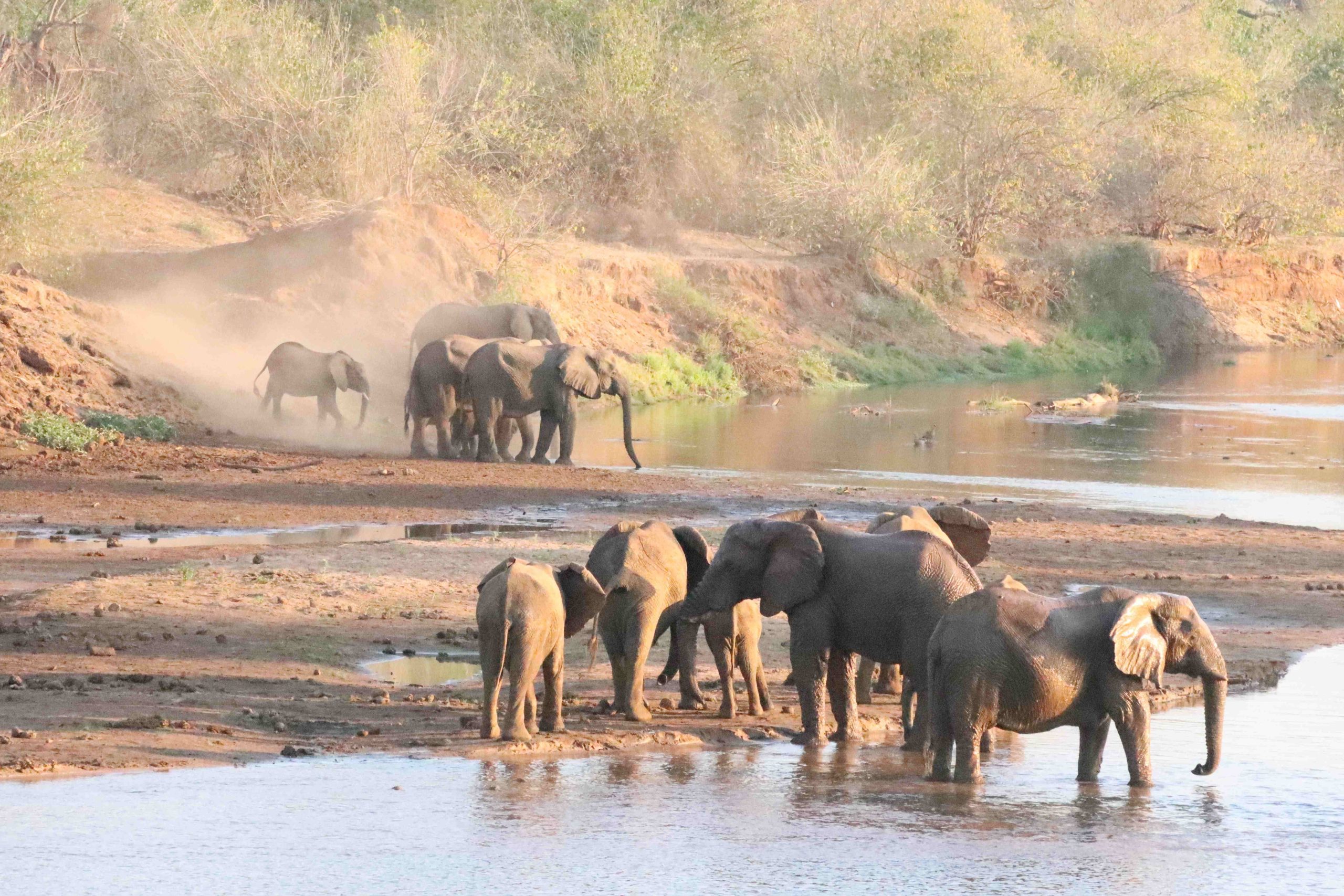
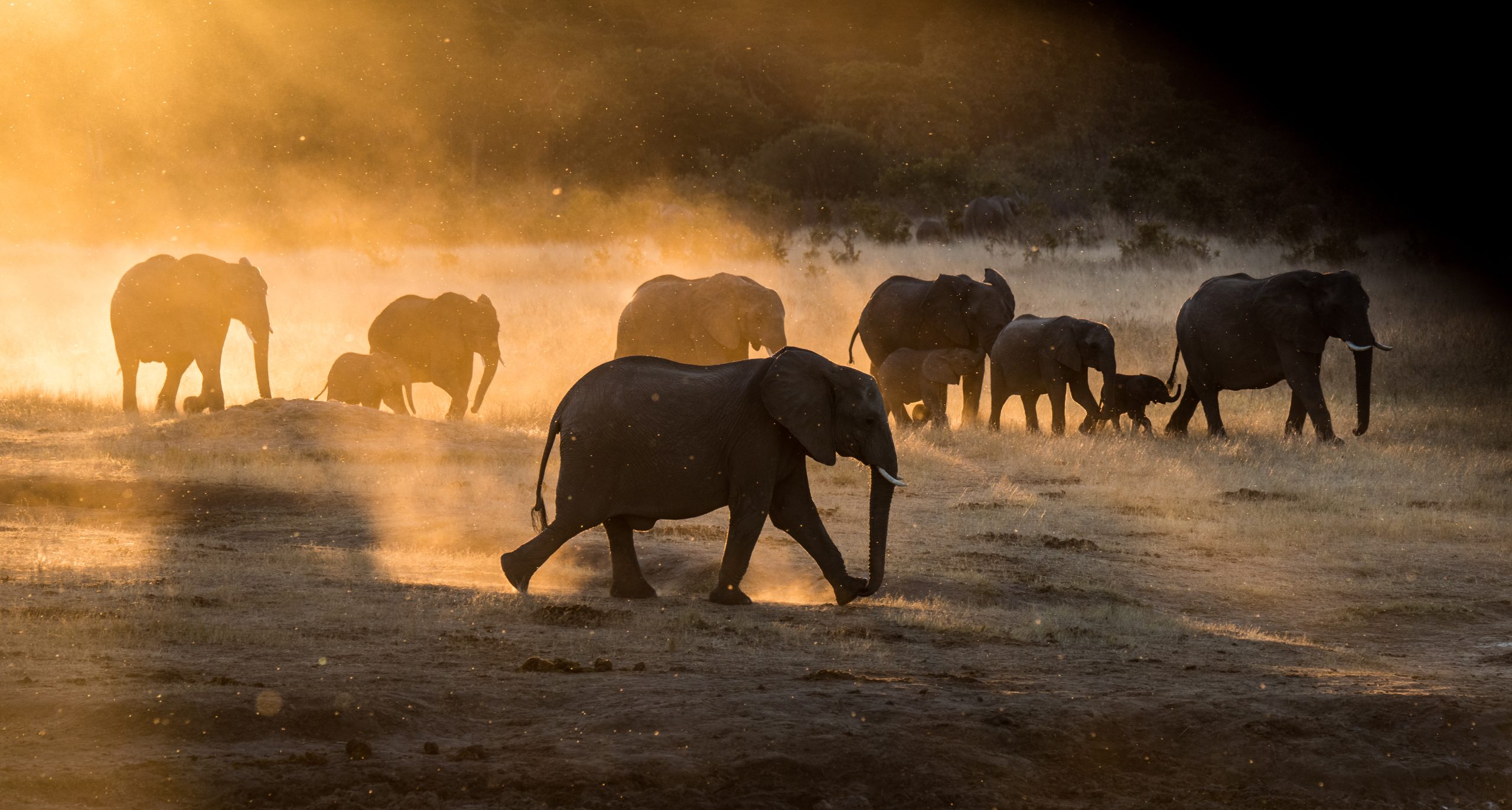
As the light strengthens, life begins to appear below. A family of elephants move in a loose formation, on pathways etched into the grass. A herd of zebra cluster together, their stripes forming shifting patterns against the grass. Small groups of graceful Thomson’s gazelles and purplish-red topi gallop through the grass, apparently undisturbed by our silent presence above.
The pilot adjusts our altitude, rising and dipping to catch the breeze, and then comes the most surreal moment of the morning. We climb higher, the landscape softening beneath us, until it disappears entirely. We’re in the clouds. The world has turned white and weightless, the ground obscured, the horizon erased. There’s no sound, beyond the occasional whisper of the burner. It feels less like we’re flying and more like we’re floating in a dream, suspended somewhere between sky and land.
Eventually, we drift back down through the clouds, and the Mara re-emerges. From this height, the scale is almost overwhelming. Endless plains stretch to the horizon, broken only by winding rivers and dirt tracks. A whole new outlook that’s impossible to grasp when you’re on the ground.
The pilot begins to prepare for landing. We’re instructed to crouch back down in the bottom of the basket, holding tightly to the handles. The descent is steady and controlled, and with the gentlest of bumps, we reconnect with the earth. In just one hour, the Maasai Mara had revealed itself from an entirely different perspective, from the quiet, drifting stillness of the sky.
Across Africa, the celebratory glass now follows extraordinary aerial adventures – from the towering dunes of the Namib Desert to the wildlife-rich plains of the Serengeti and the bushveld of South Africa’s Mabula Game Reserve – each flight ending, as tradition dictates, with a sparkling toast beneath an open sky.