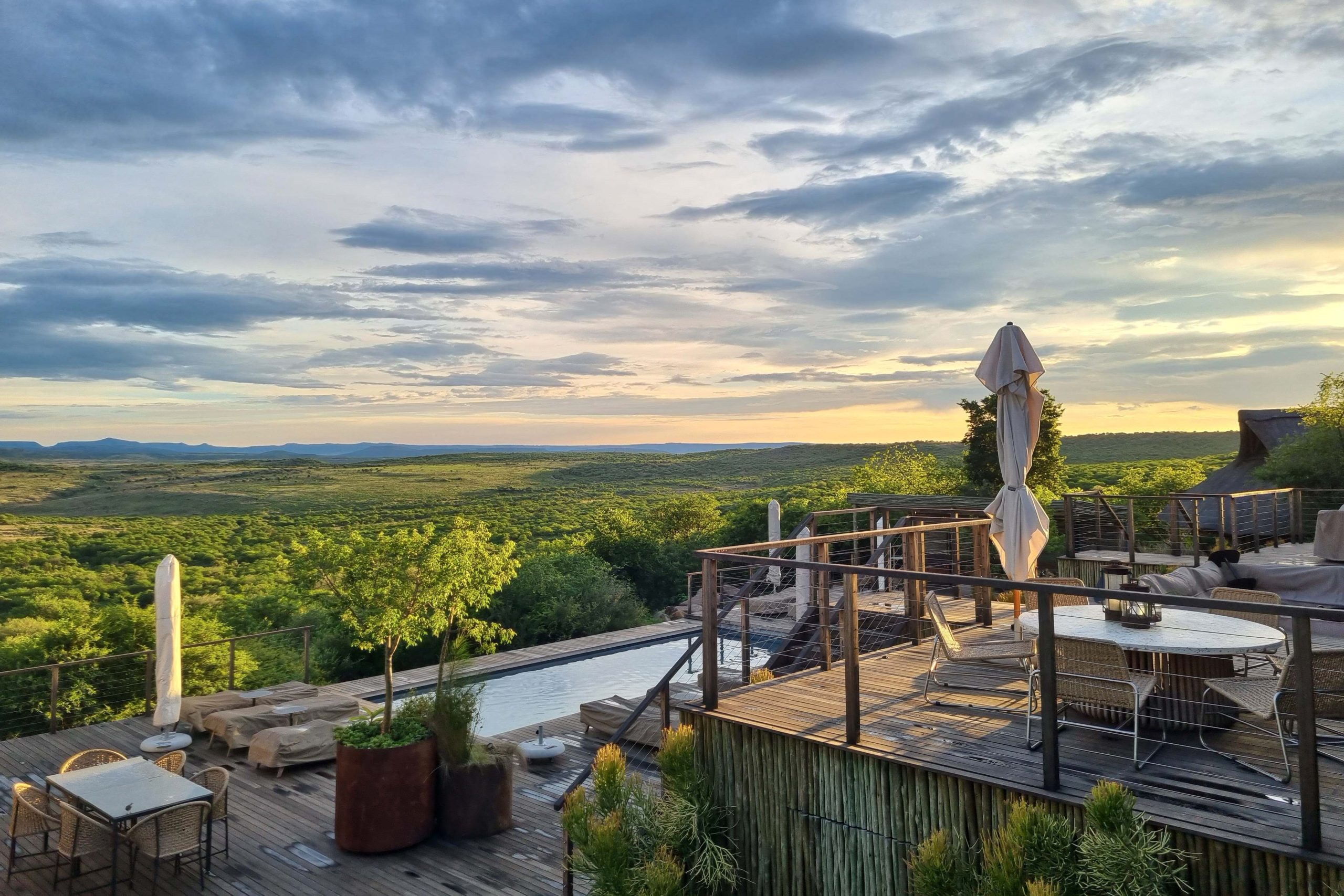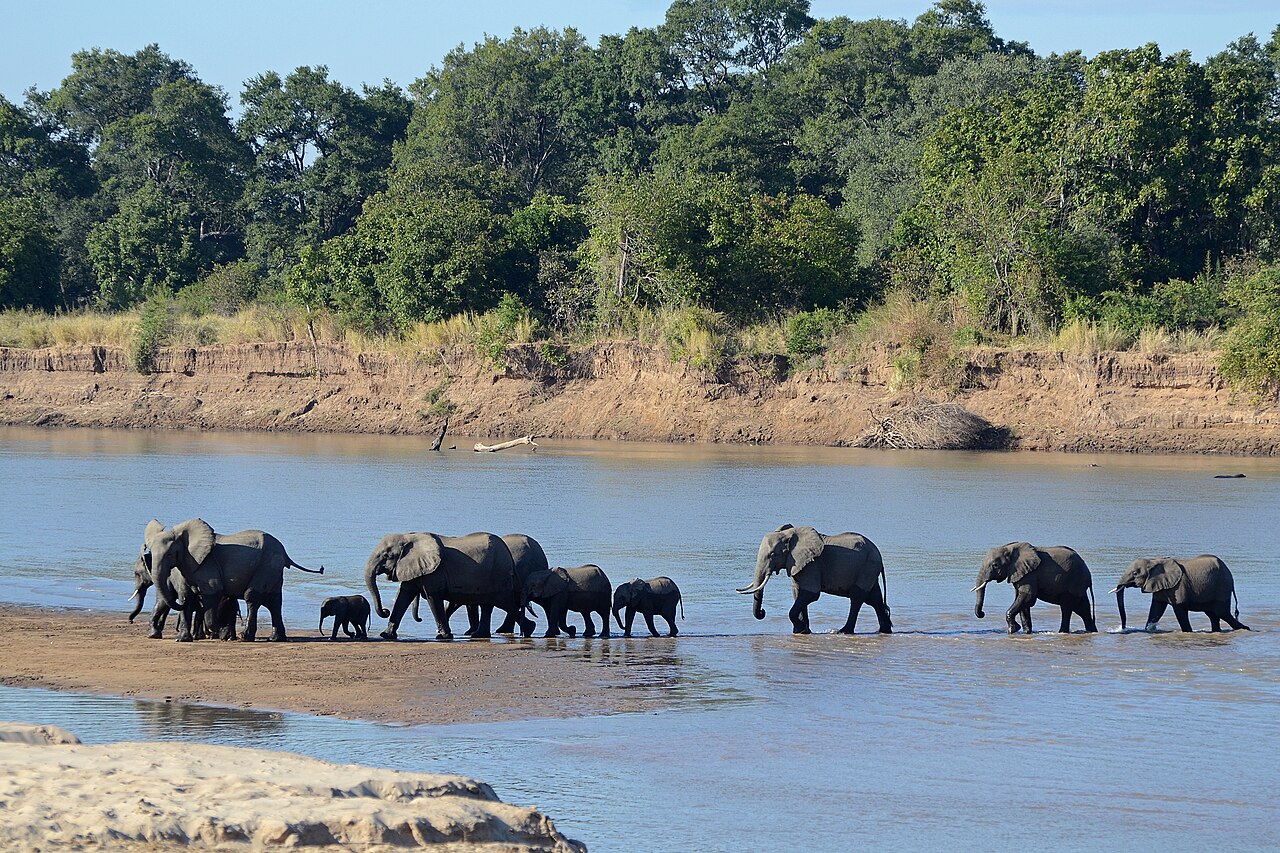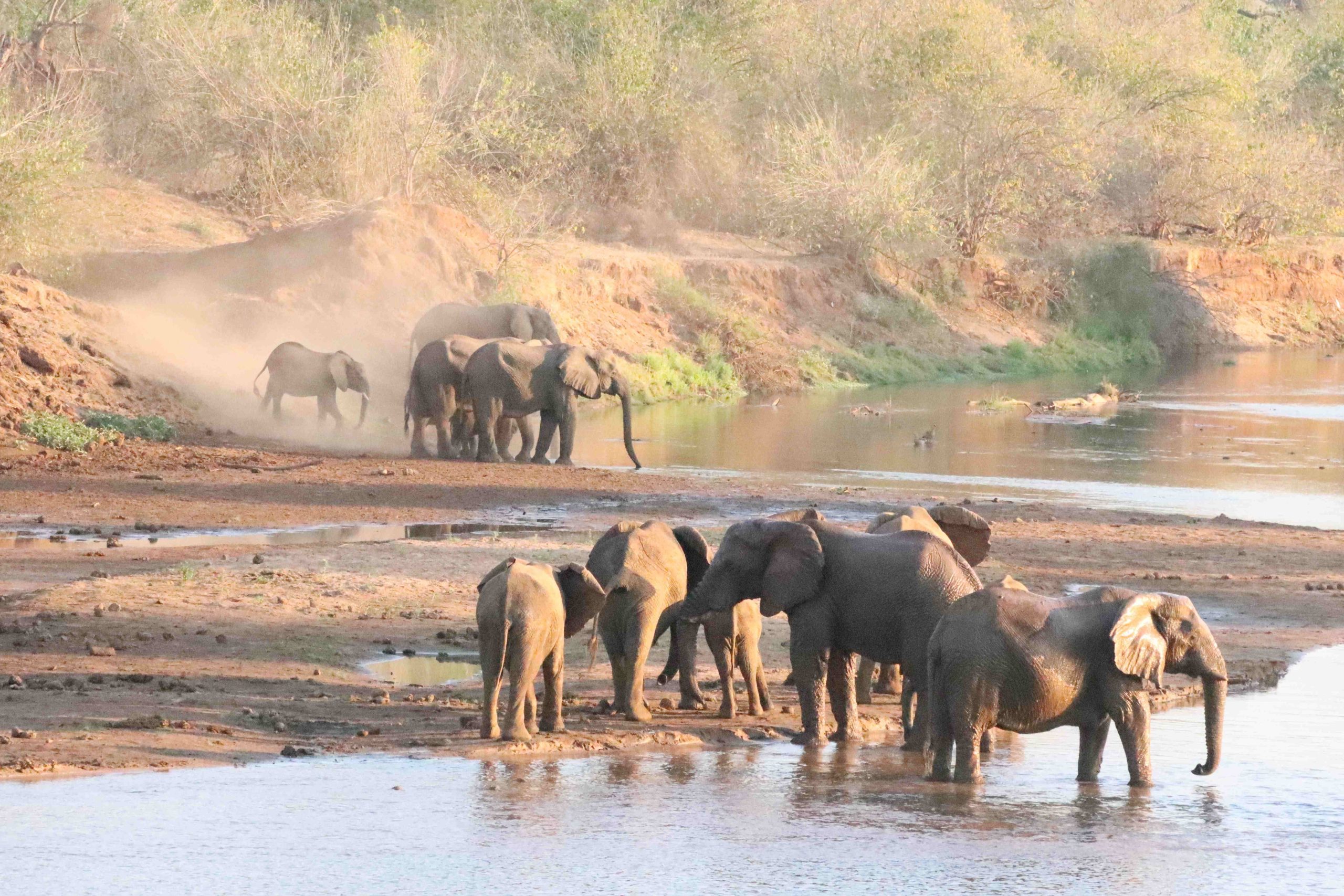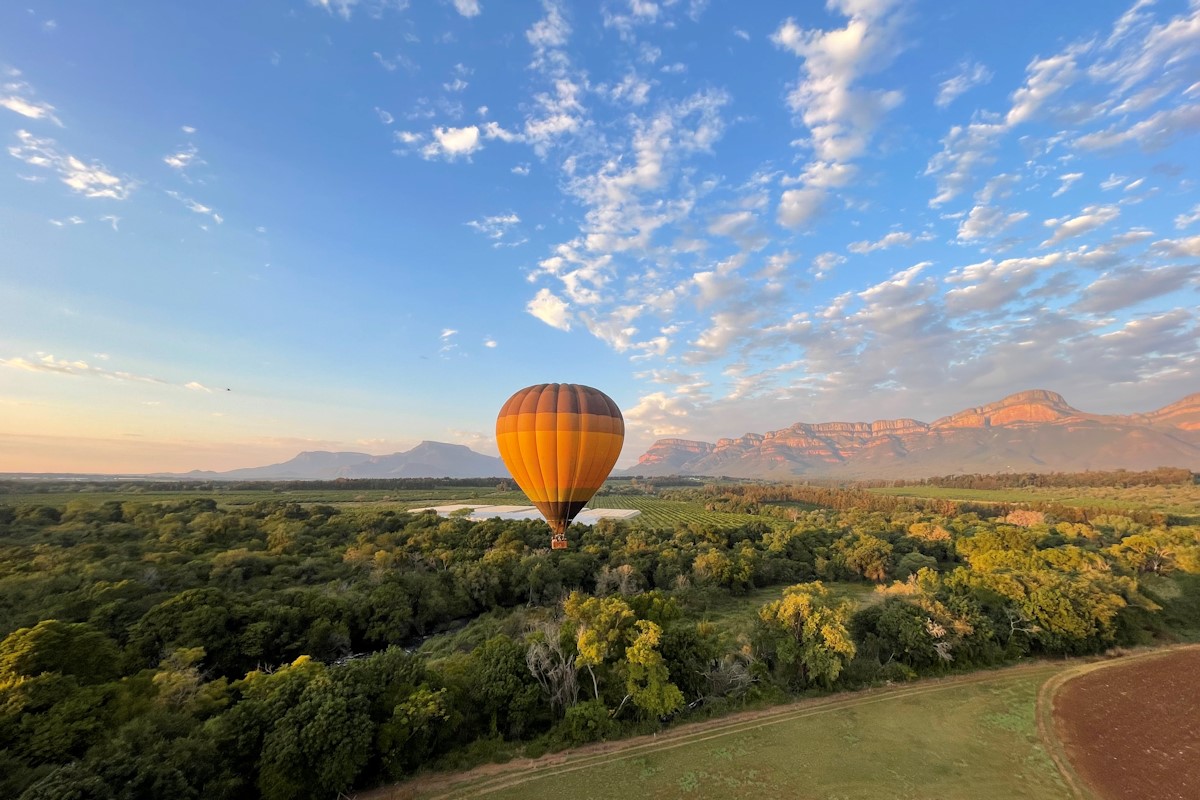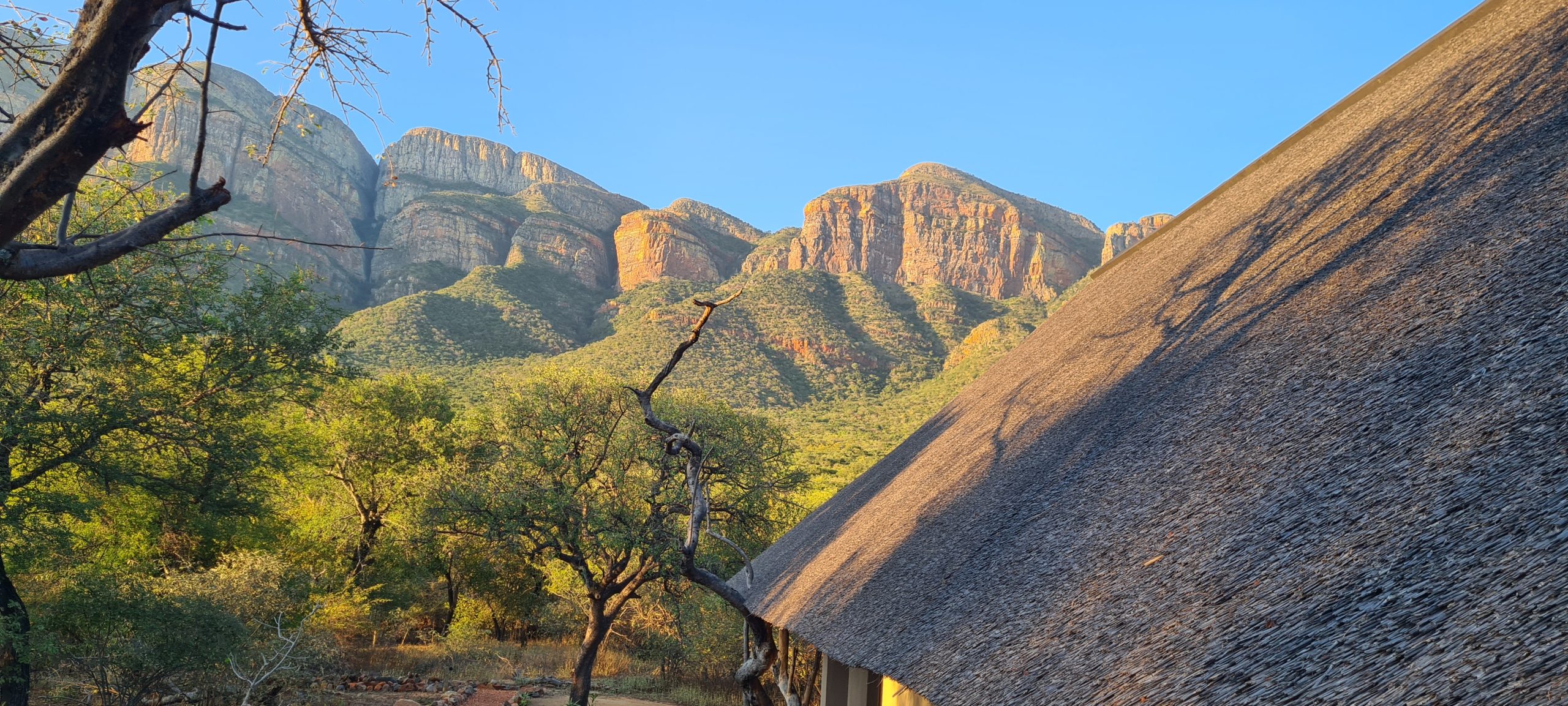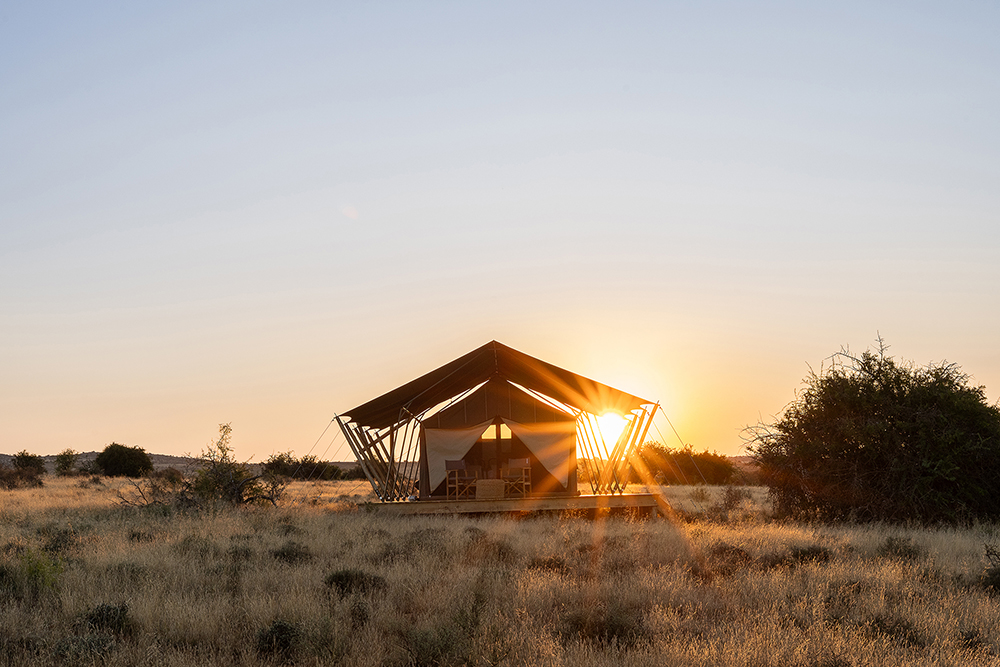
There is a particular stillness in the far northern reaches of Kruger National Park – a quiet that feels ancient, almost reverent. We cross the Luvuvhu River into the Makuleke Contractual National Park, more commonly known as Pafuri, and our destination – Return Africa’s Pafuri Camp. Here, where the Luvuvhu and Limpopo rivers meet, fever trees shimmer in golden light and baobabs stand like sentinels. WORDS Tessa Buhrmann
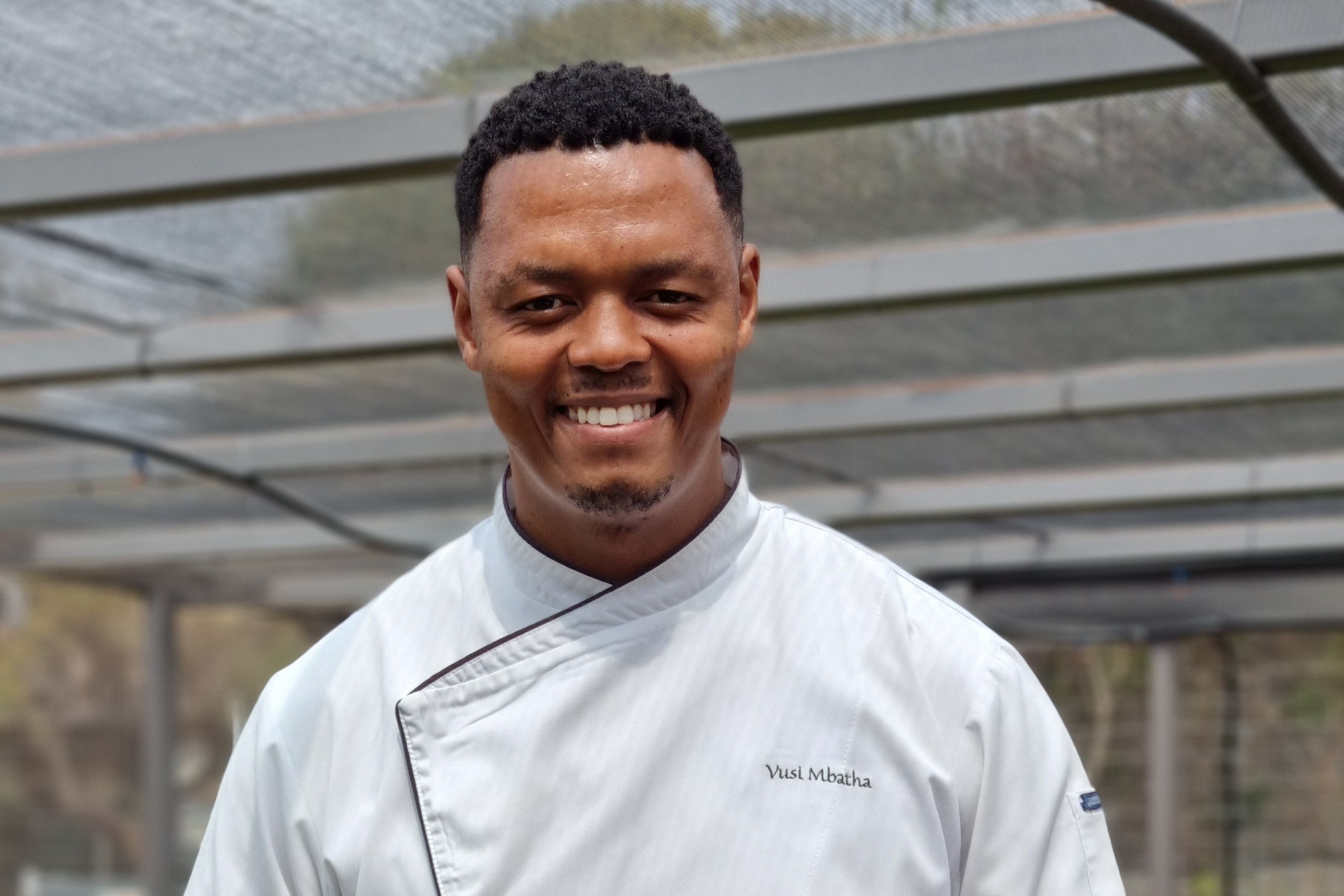
It is one of the most biologically rich and culturally layered landscapes in southern Africa. But beyond its wild beauty, this is a place defined by a deeper story – one of loss, resilience, and ultimately, return. It is a story best told by those who have lived it. And few embody it quite like Godfrey Baloyi, General Manager of Pafuri, whose journey mirrors that of the Makuleke community itself. For Godfrey, this is not just a landscape. “This is home,” he says. But it is a home that was once taken away.
A Land Lost
The Makuleke people lived in this region from the 1820s, long before the formal proclamation of the Kruger National Park. It was a land of abundance – fertile soil, flowing rivers, and deep cultural connection. A place where communities thrived.
That changed in 1969.
Under apartheid rule, the Makuleke community was forcibly removed from their ancestral land. Armed officials arrived, and families were given no choice but to leave – many at gunpoint, some forced to burn their own homes before they went. “They were left with nothing,” Godfrey says. “Their dignity was gone. Everything was gone.”
They were relocated to barren land far from the rivers they had known, a place without water, infrastructure, or opportunity. The contrast was stark, the loss profound. Even those, like Godfrey, who came later, inherited that absence – the knowledge of a home that existed, but was out of reach.
Stories in the Landscape
Later, standing above the floodplain at Thulamela, it is walking and birding guide Hlahla who brings the deeper timeline into focus. From the stone-walled ruins, the view stretches endlessly – a reminder that this landscape has long been a place of movement and exchange.
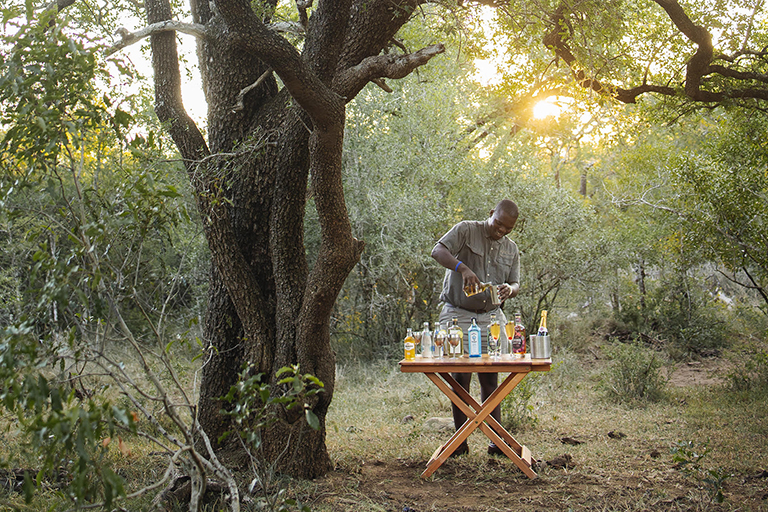
“This area was a hub,” he explains. “There was trade, there were people moving through here long before the park.” It adds another layer – that Pafuri’s significance long predates its modern history. Later still, at a quiet sundowner along the Luvuvhu, guide Akani traces the story forward, speaking of early settlements, survival, and the pull of the land itself. “This place had everything,” he says, gesturing towards the river. “Water, fertile soil, animals. That’s why people stayed.”
Between them, their stories sketch the outline. But it is Godfrey who fills in the detail – the lived experience that shaped what came next.
The Long Road Back
For decades, the Makuleke people remained displaced. But change came with the dawn of democracy in South Africa. Following the end of apartheid in 1994, new land restitution laws allowed communities to reclaim land taken from them – provided they could prove historical occupation. The Makuleke community did just that. Their claim was groundbreaking.
Not only were they successful, but they became the first community to win a land claim within the Kruger National Park – a process that took years of legal effort and determination.
Crucially, they were not alone. Among those who stood alongside them was conservationist PJ Massyn, RETURN Africa Chief Executive Officer and Co-founder, who had first visited the community in the early 1990s, before the land claim process had even begun. At a time when trust was fragile – particularly across racial lines – his support, along with a group known as the ‘Friends of Makuleke,’ helped guide and advise the community through the legal process.
In 1998, the Makuleke people officially regained ownership of their ancestral land.
A Different Kind of Return
The return of land brought with it a difficult question: what next?
“There were many ideas,” Godfrey recalls. “Some people wanted farming. Some wanted mining.” Both were viable. The land was fertile, and mineral deposits were known. But both came with trade-offs – short-term gain at the potential cost of long-term sustainability.
Instead, guided by careful advice and a broader vision, the community chose conservation. It was not the obvious choice, but it would prove to be the most transformative. It was a decision that would shape the future of Pafuri. Tourism became the bridge between land and livelihood.
The Birth of Pafuri
Early tourism developments were led by Wilderness Safaris, creating jobs and opening pathways into the industry. For Godfrey, it was the beginning. Originally trained as a teacher, he joined one of the first groups selected for guide training. “We were camping under the trees,” he says. “I saw everything from the beginning.”
He was there as Pafuri took shape – and again when it was almost lost.
In 2013, floods swept through the region, destroying much of the infrastructure. Jobs were lost. For two years, there was no income. And then, once again, came a turning point.
Return Africa: A Vision Realised
Out of that uncertainty came Return Africa – a new chapter, placing the Makuleke community firmly at its centre. Godfrey was there from the start. “I was part of the discussions,” he says.
The name itself was deliberate. Return – to the land, to opportunity, to identity. And for guests, a return to Africa as a place of origin.
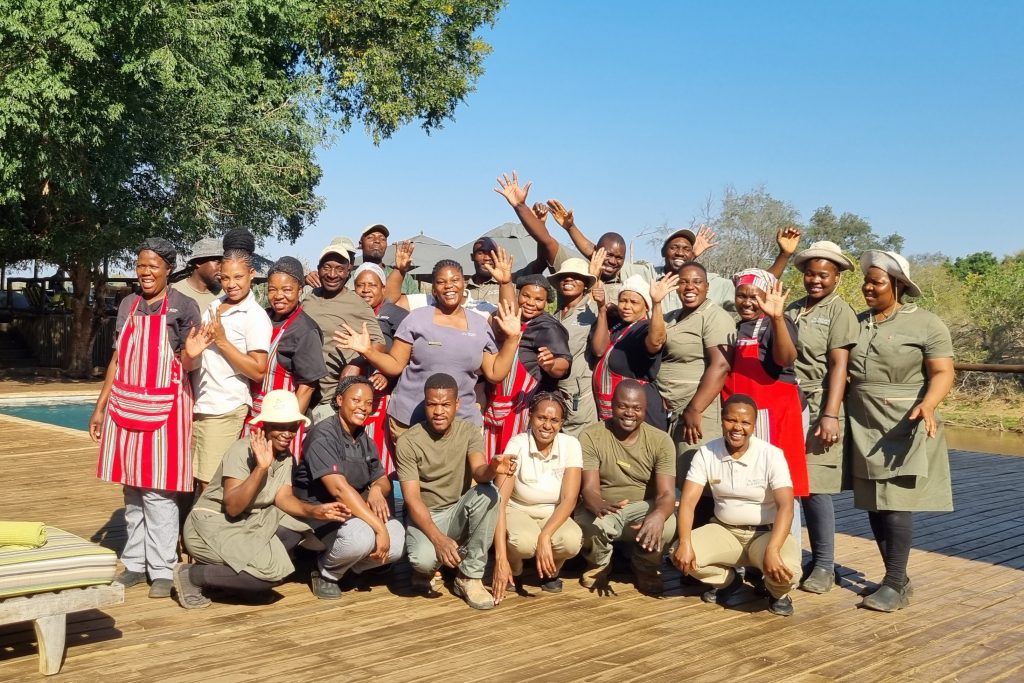
Today, the Pafuri Collection operates under a model that is both rare and powerful: locally driven, community-led, and deeply invested in long-term impact. The majority of staff come from the Makuleke villages, and 100% of management is black – something Godfrey speaks about with quiet pride. “We believe in our people,” he says. “We train them.”
Opportunity, Earned
That belief in people is evident across the lodge. Many staff members have grown into their roles from within – a reflection not only of opportunity, but of clear intention. Development here unfolds as a journey. As Hlahla explains, it often begins in the most unexpected places.
“I started in housekeeping,” he says. “Then they moved me – to scullery, to service, to the bar.” At the time, the shifts didn’t always make sense. Only later did the pattern emerge – a deliberate process of building skills, testing adaptability, and recognising potential.
“The more flexible you are, the more they trust you,” he says. “Then they invest in you.” That investment can be significant – including fully funded guiding qualifications, opening doors that might otherwise have remained firmly closed. “I am the testimony,” he adds.
Across the lodge, similar stories unfold. Ellen rose from housekeeping to assistant manager. Punkie moved from the kitchen into front-of-house leadership. Bongani began as a camp hand and is now a qualified trails guide.
For Ellen, it is deeply personal: “This place is more than just a workplace because it holds history, memories, and a strong sense of belonging. Being part of Pafuri and seeing the progress over the years has made me proud. I feel that I am contributing to something meaningful, something that connects nature, community, and culture.”
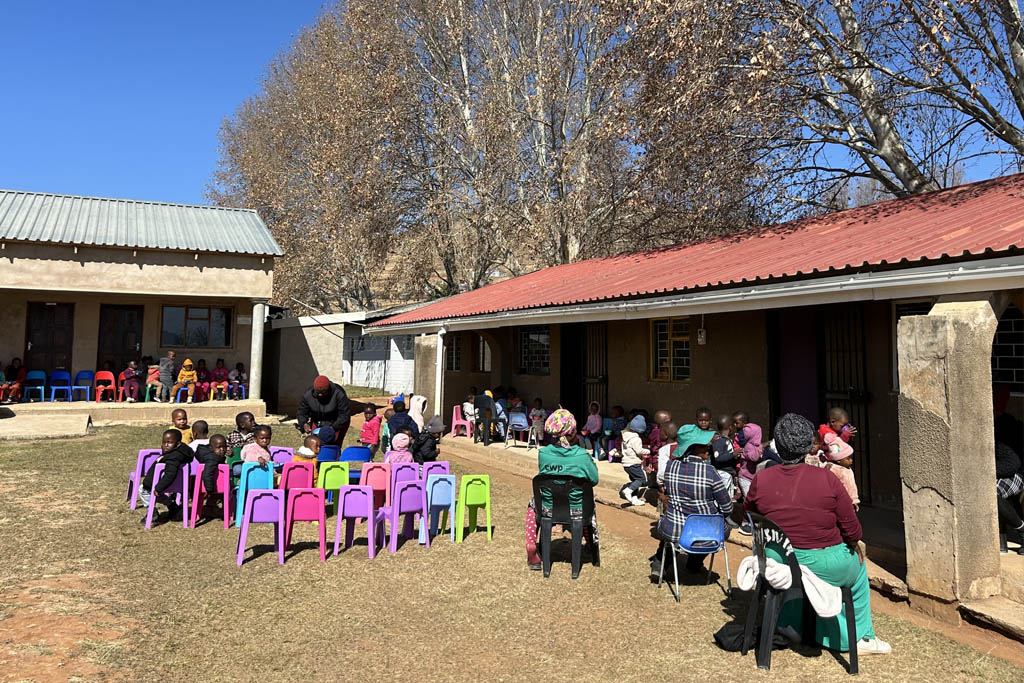
Employment sits at the core – more than 60 staff, almost all from the Makuleke community. But as Godfrey explains, it is not just about jobs. It is about opportunities. Beyond employment, benefits extend through profit-sharing and ongoing support for community initiatives – from drop-in centres for vulnerable children to school uniforms and infrastructure projects.
The impact of Pafuri extends well beyond tourism. “The lodge is playing a very important role,” Hlahla says. “It’s helping the community in many ways.”
A Living Landscape
Today, Pafuri stands as a model of community-led conservation and tourism – a place where ecological preservation and human development exist in balance. It is also a place layered with far older history than the Makuleke story alone. Thulamela speaks to a time when this region was a thriving trade hub, connecting inland Africa with coastal networks long before colonial borders were drawn.
In many ways, the idea of “return” resonates far beyond recent history.
Coming Home
For Godfrey, the story is not just one of success – it is one of return.
From a community that was forcibly removed, to one that now owns and manages its land. From loss to opportunity. From uncertainty to pride. When he walks through Pafuri today, it is with a deep sense of connection – not only to the land, but to what it represents.
“We are happy,” he says simply. “We are proud.”
For PJ Massyn, too, it is a return: “As a boy, I gazed across the Luvuvhu to what was, in those apartheid years, forbidden country to the north. I did not then understand the things happening there. But even as a child, I knew I would one day return. When I did, many years later, I met the Makulekes whose land it once was and would be again. I am deeply grateful to them for granting me their trust.”
And in this far northern corner of the Kruger – where rivers meet, histories converge, and stories are carried in the landscape – that sense of return feels complete – for Godfrey, for PJ and even for us.
Flood, Renewal, Resilience
In January and March 2026, the Luvuvhu River flooded once again, forcing the precautionary evacuation of guests and staff and echoing the devastation of 2013. This time, however, the response was swift and coordinated, with Return Africa prioritising safety and already beginning the process of rebuilding.
Flooding is part of the natural rhythm of Pafuri’s floodplain – enriching the soil, renewing the forest, and reshaping the landscape. Rather than defeat, the 2026 floods stand as a testament to resilience, with the camp and community united in restoring Pafuri stronger than before.
In PJ’s words: “We are resilient. We will rebuild. RETURN Africa has faced floods before, and each time we return stronger.”