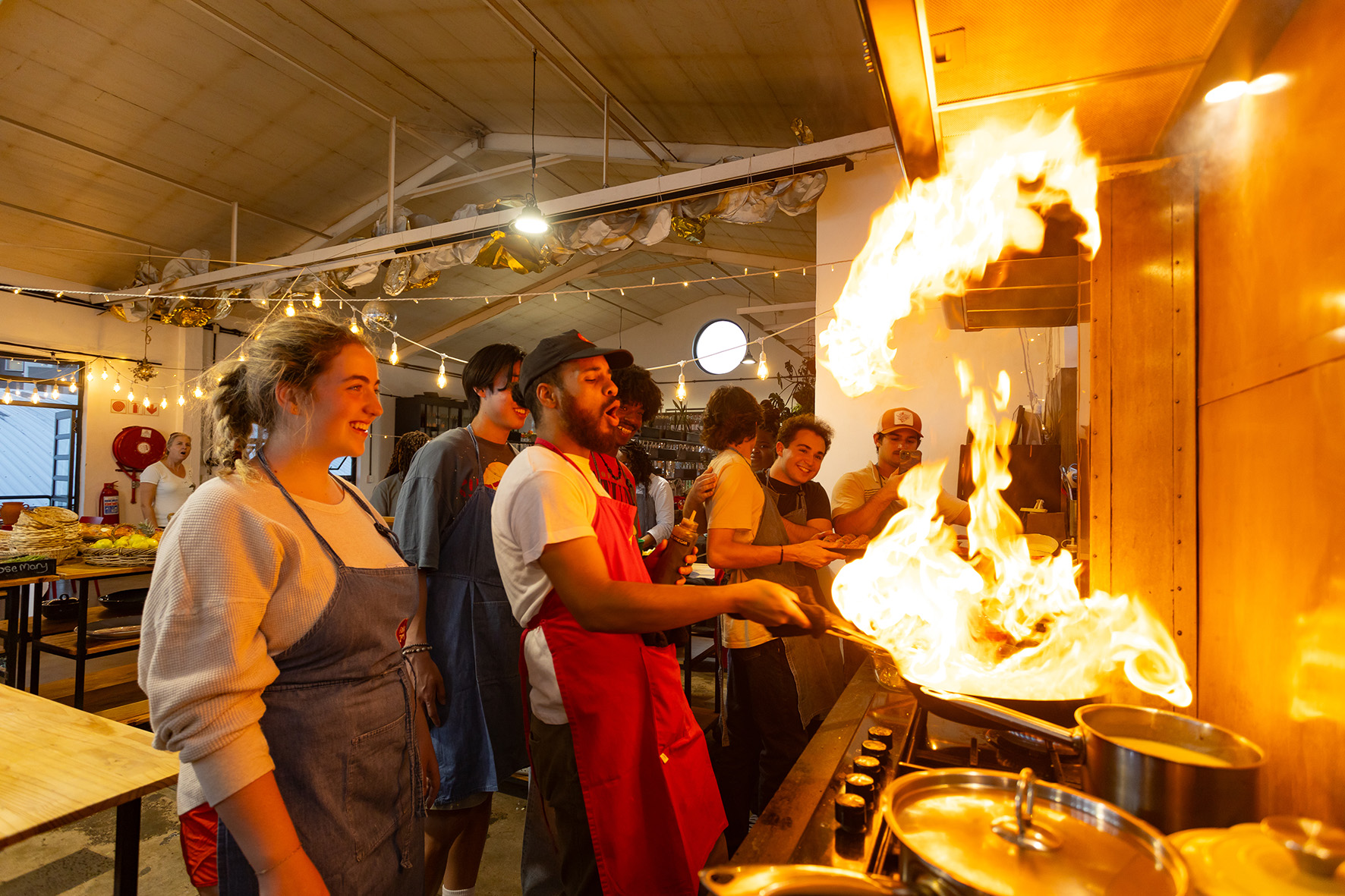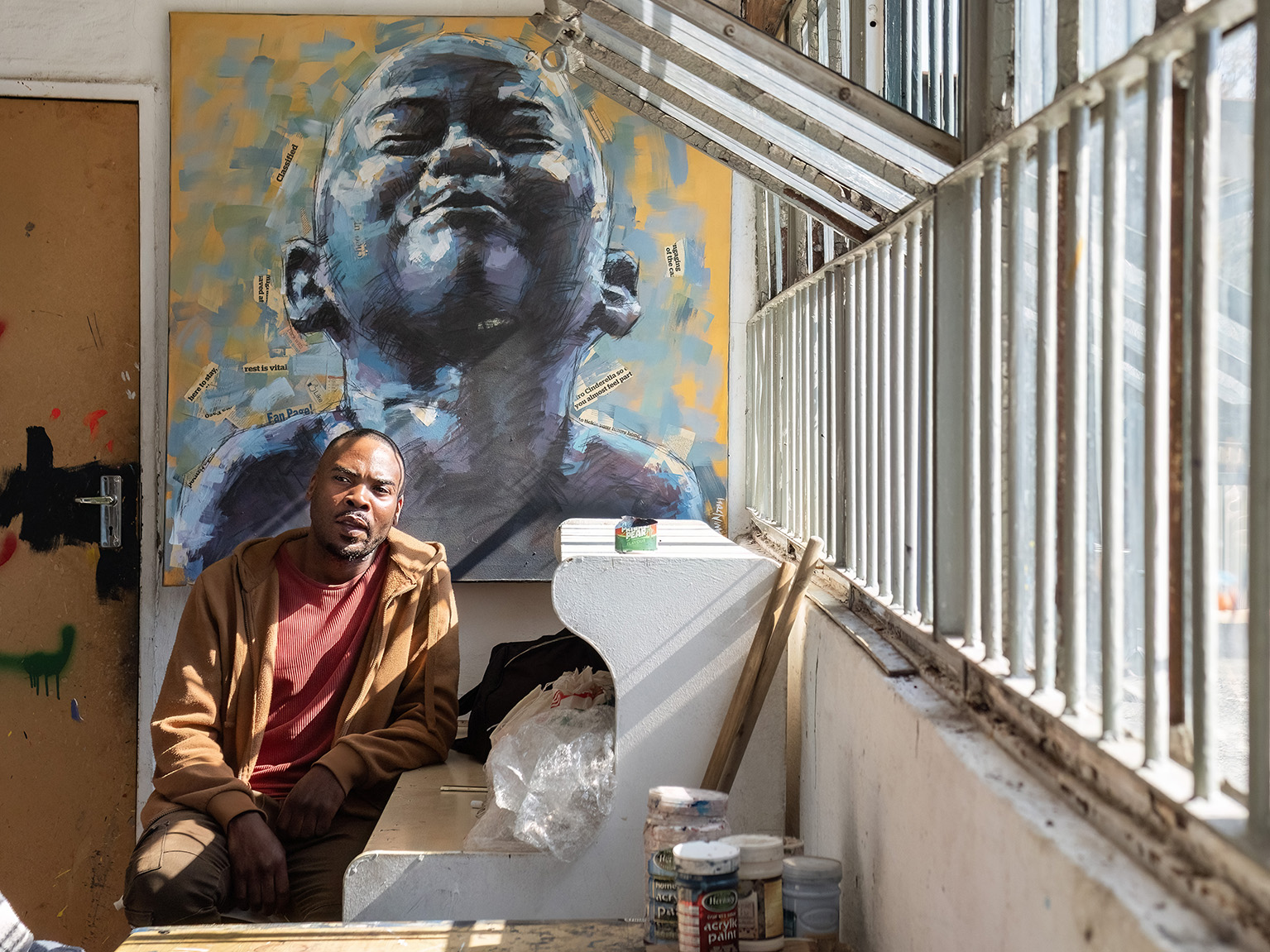
With thousands of snappers taking images daily, wildlife photographers wishing to create images that surprise are increasingly challenged. WORDS David Rogers
Thankfully, no two safari days are ever quite the same and even with a group of photographers travelling in the same vehicle, it’s amazing how the choice of lens, setting and angle can be so startlingly different. Furthermore, there are some time-tried tips gleaned over many dusty days in the field that may help you keep ahead of the game.
Simplicity
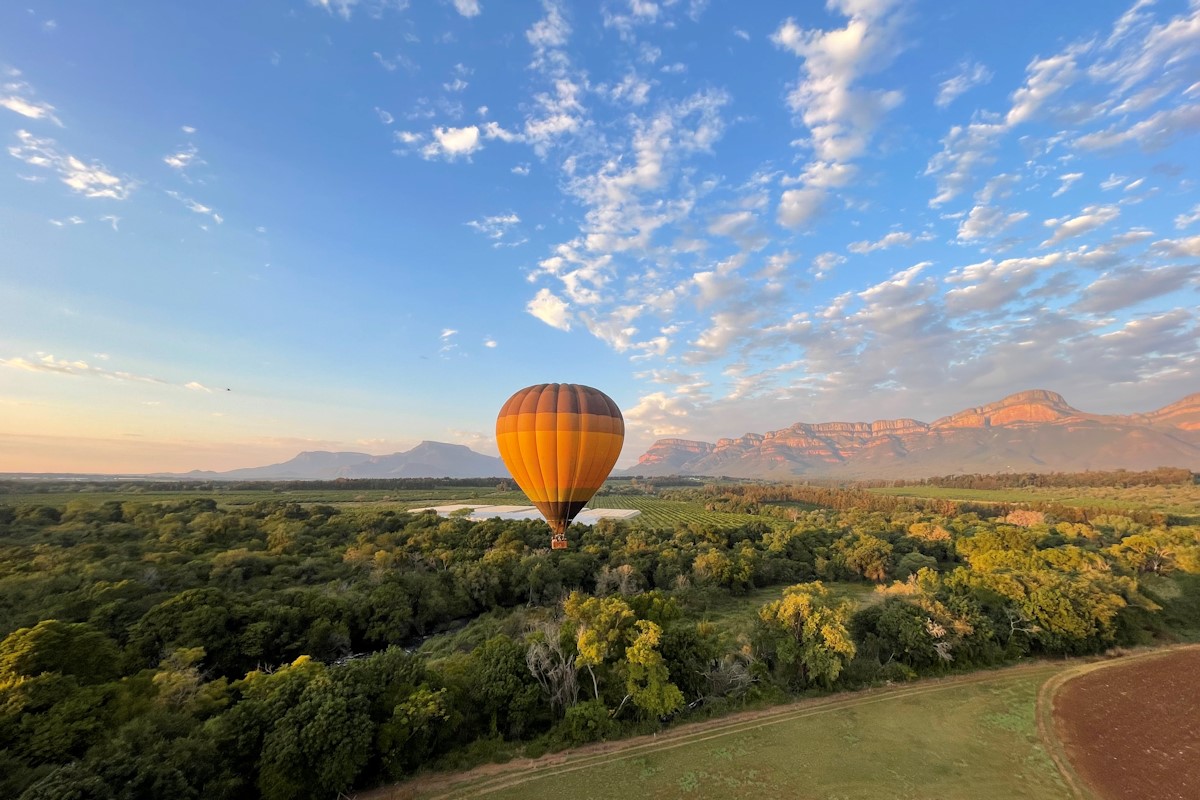
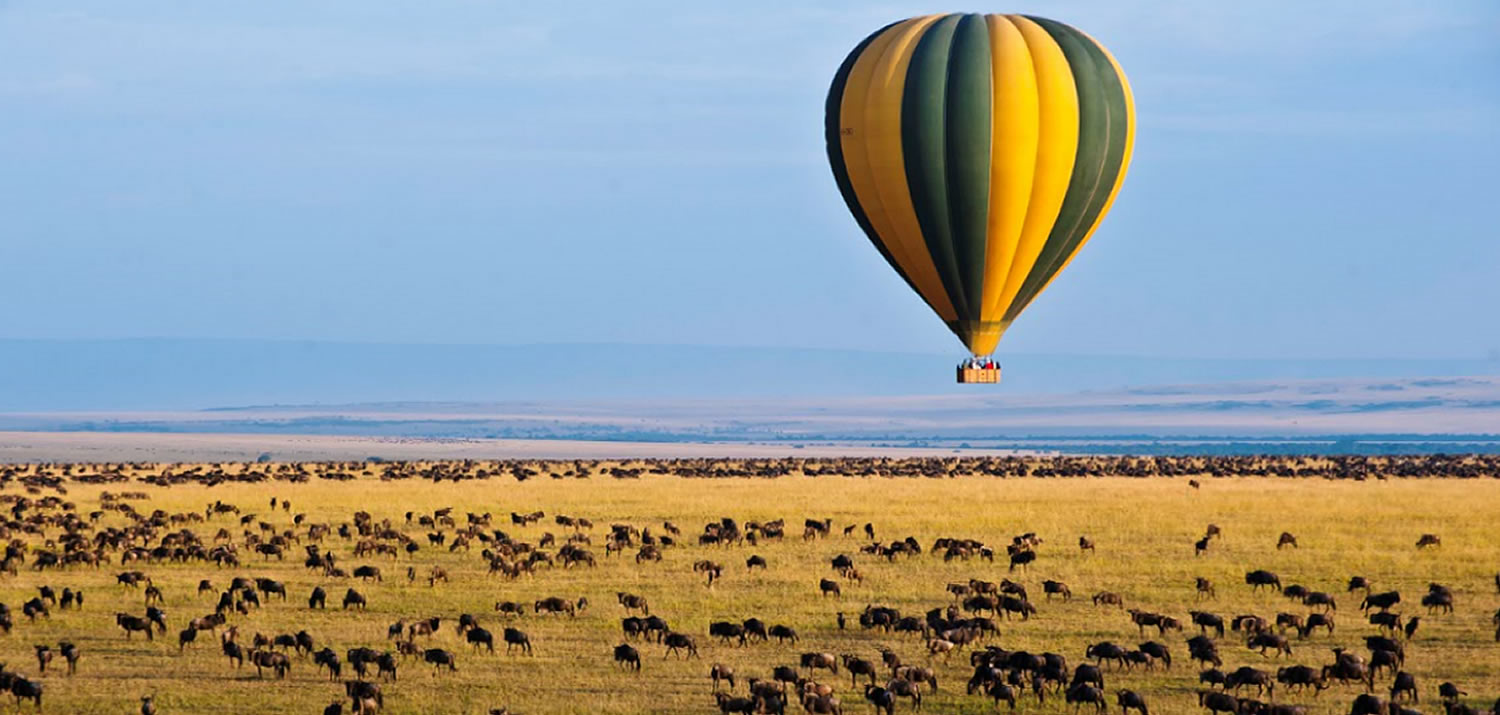
Someone said that true genius is about simplicity and, more often than not, if there’s a disturbing element that’s not adding to the drama of your picture, then crop it out. Less is almost always more. Having said this, being a landscape lover, I find that wide angles are fundamental to show the glory of the African landscape, and the habitat where the subject occurs.
Go out of season
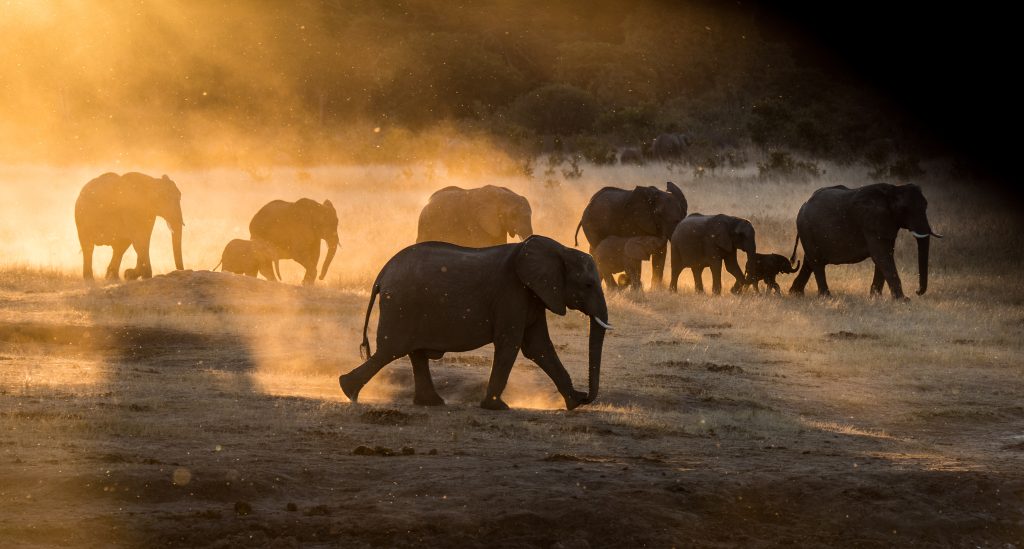
By late October in the bush, plump cumulous clouds bulge above the dry plains and thirsty elephants converge in dusty family groups on waterholes – and all at off season rates. This is also predator season when impala drop their young and antelope are at their most weak and vulnerable. As the rain falls the first shoots appear and flowers blossom, migrant birds arrive aplenty and opportunities for colourful photographs become abundant.
Go beyond the big five
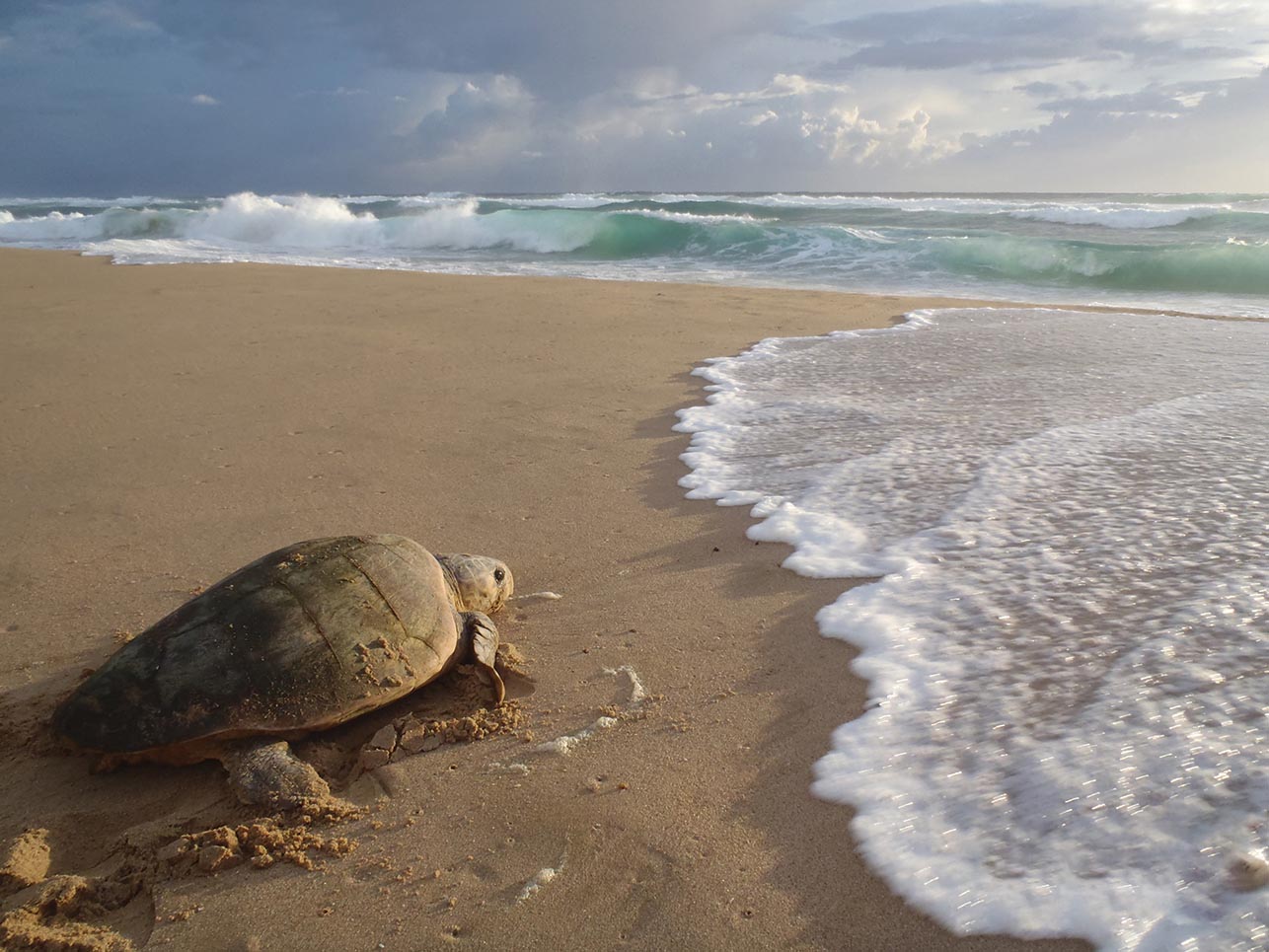
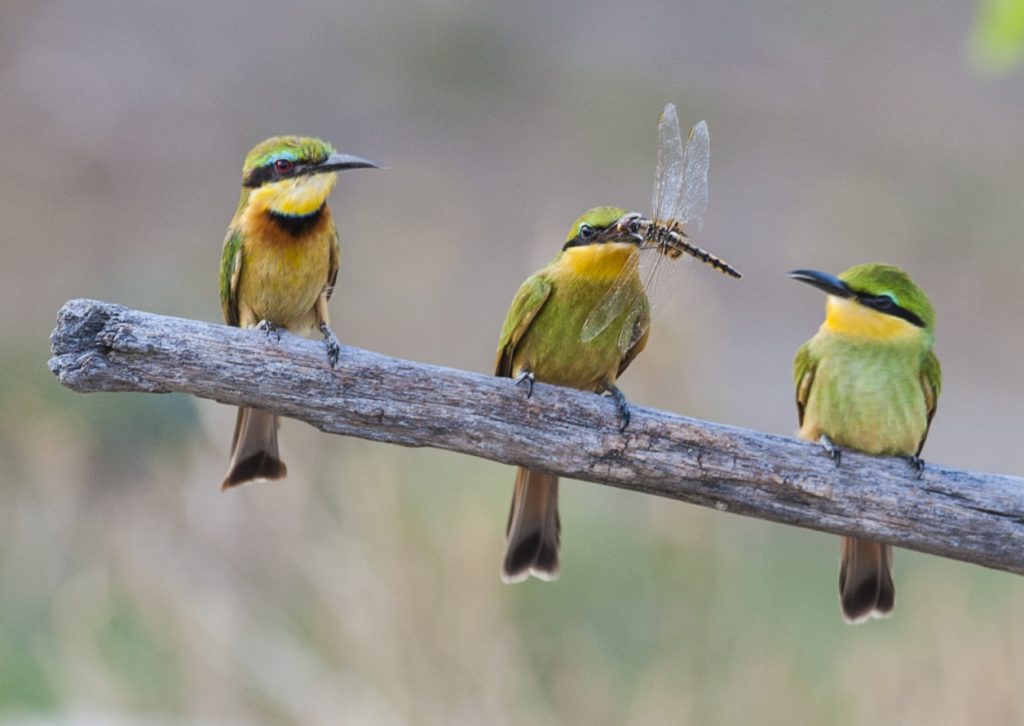
While we all love capturing the big and hairies in all their splendid forms, don’t spend all day with flat lions and rather focus on the smaller subjects like birds, insects, flowers and reptiles. So often it’s the colourful chameleon or carmine bee eater that makes it to the centre spread. Sometimes a jackal in golden grass, a bat eared fox or a pair of fish eagles will win the day.
Low angles rock
In order to get eye level shots of animals, it’s often best to choose the front seat of the vehicle. Although you may miss some shots when animals are in long grass, it will leave you well placed for catching eye level shots of leopards walking close to vehicles. Take any opportunity to get out of the vehicle that safety and your guide will allow.
Hides to seek
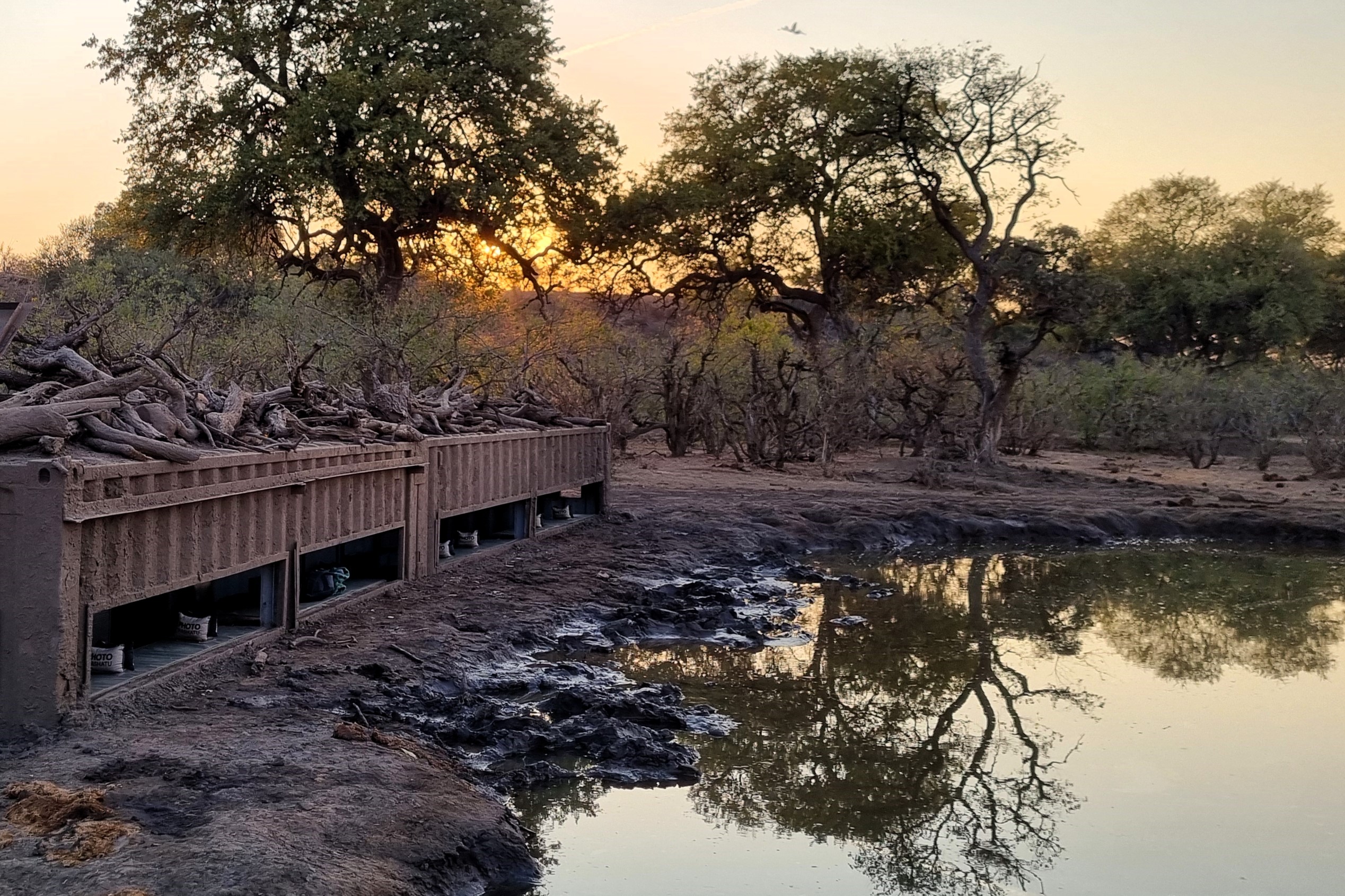
Choose a camp that either works as a hide (Hideaways Camp Kazuma in Chobe, Botswana is an example) or has a separate hide which is built close to the water. It means you can keep shooting all day long. Nantwich in Hwange also has a hide where you can sit and watch elephants and buffalo come to drink through the heat of the day waiting for the action to happen.
Golden Hour
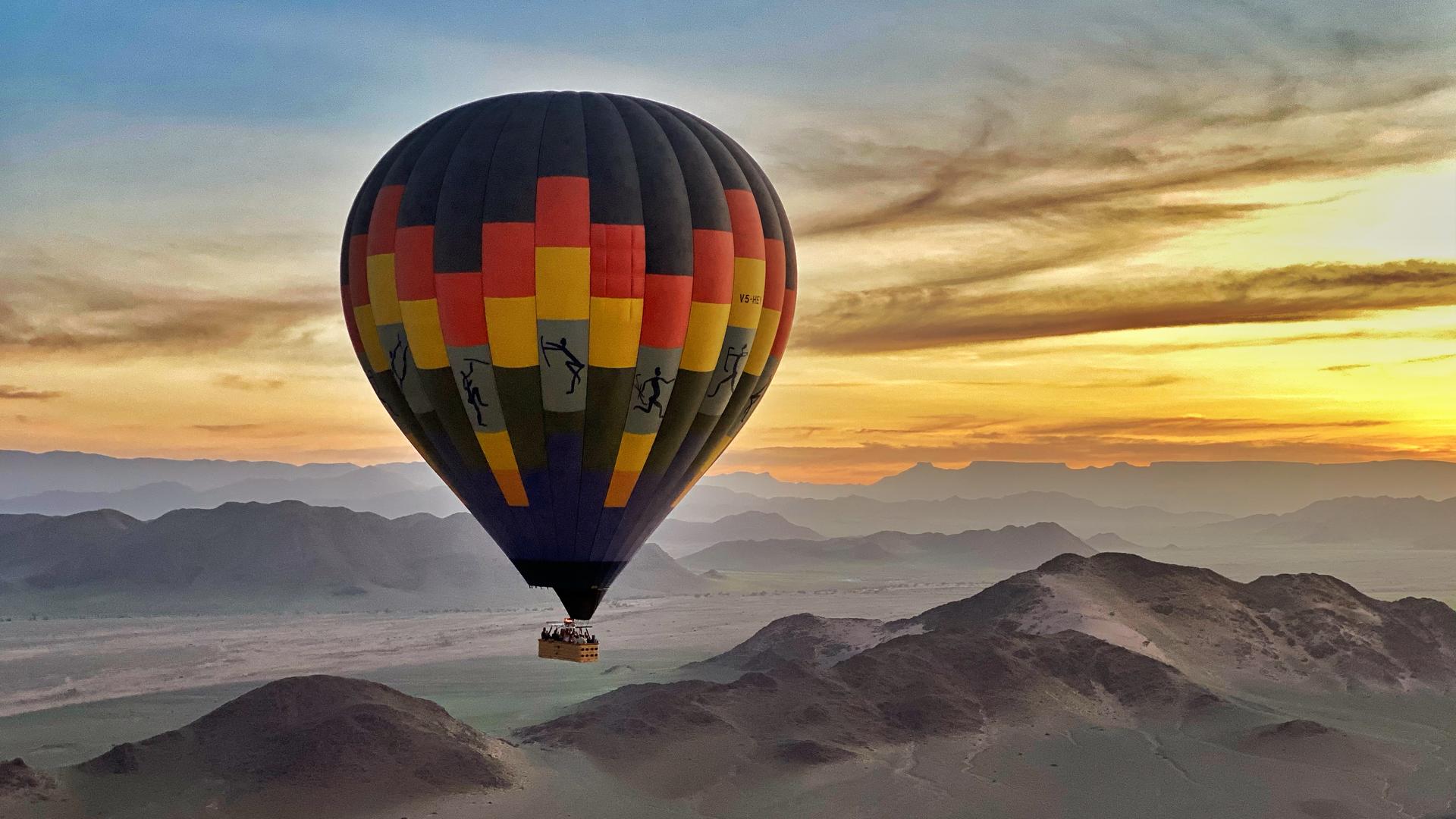
The softest light and most productive time for photography is the hour before and after sunrise and sunset, when rays penetrate through the thickest part of the atmosphere casting everything with a golden glow. After sunset, as the light fades, it’s best to crank up the ISO, open your aperture and even underexpose your images a little to make sure you are shooting at decent shutter speeds. The golden light eventually turns to the blue hour — and this too is an exciting time. Set up a tripod and you will be amazed at how modern cameras can render detail out of really dark scenes.
Rethink light
We often think that it’s best to have the light behind us, but shooting with side or back lighting you can often get more interesting images. Backlighting is truly the holy grail for wildlife and works especially well with hairy animals such as baboons, waterbuck and lions when their fringes really catch the light.
Know your gear
Modern cameras are really like modern computers and take some learning, but the key tools of exposure, shutter speed and ISO are essential elements to understand. I am always armed with two cameras — one with a wide angle and another with a zoom of at least 600mm — so I can capture everything from landscapes to birds. Phone cameras are also really powerful, especially for landscapes, macro, low light photography and video.
Keep it RAW
Most professional photographers shoot in RAW format and then use Adobe Lightroom to “cook” their images by bending light, colour and contrast before exporting as a jpeg. There is hardly an image I take that does not require some post-production. However, I try to keep it real and when crossing the border into AI — adding or removing digital elements — I usually mention this in a caption.
Less is more
You should shoot freely but cull ruthlessly. On a typical two-week trip, I will shoot upward of 3,000 images and have just 50 or so keepers. Be selective about what you show and if you have trouble narrowing down the list, call a friend and get their input.
See you out there.