
Words – Garth Jenman
Pics – Jenman African Safaris
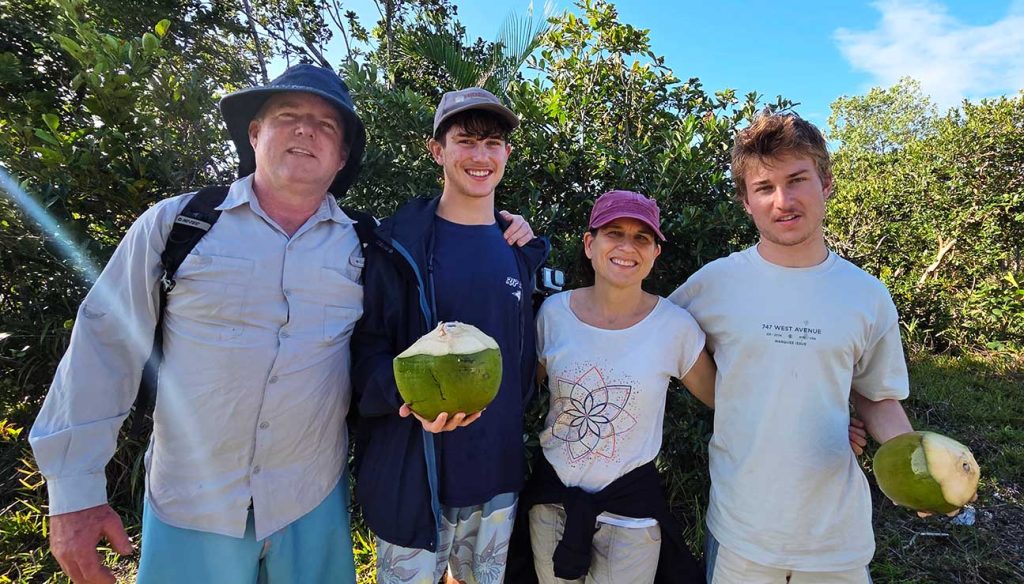
Our recent family trip to Madagascar was an incredible expedition into a unique and unexpected medley of sights and sounds, cultures and histories. Our family of four travelled with two other families — one of four and one of five — a lively mix of ages ranging from nine to fifty-six. There were magical moments for each of us, and shared memories that will no doubt become part of our collective family story.
Coming from South Africa and having travelled extensively through many African countries, we had expected something of an “extension” of Africa — interesting wildlife, similar terrain, flora, foods and crafts. What we was an experience unlike anything we have had before on the African continent. An island that feels at once ancient and otherworldly, offering a unique blend of nature and culture. A destination that is unhurried, surprising, and filled with quiet wonder.
After landing in the capital, Antananarivo, we spent our first night at the quaint and centrally located Hotel Nosy Manga. With its warm hospitality and homely atmosphere, it was the perfect soft landing before our early start the next morning.
Our journey eastward to Andasibe took us through rolling countryside dotted with rice paddies, cascading waterfalls, forest stations and small rural villages where children waved as we passed.
We stopped at the Exotic Park in Marozevo (locally known as Peyrieras Reserve, founded by French entomologist André Peyriéra). A must for anyone fascinated by Madagascar’s extraordinary biodiversity. Here, we saw iridescent chameleons, jewel-toned frogs no bigger than a fingernail, and a variety of snakes and lizards found nowhere else on earth. We took sooooo many photos here! The Reserve is far more than just a tourist site – it’s an important centre for breeding and protecting Madagascar’s more vulnerable species. With its strong focus on education, it offers a fascinating and accessible introduction to the island’s extraordinary wildlife before visitors’ head deeper into the nearby forests.
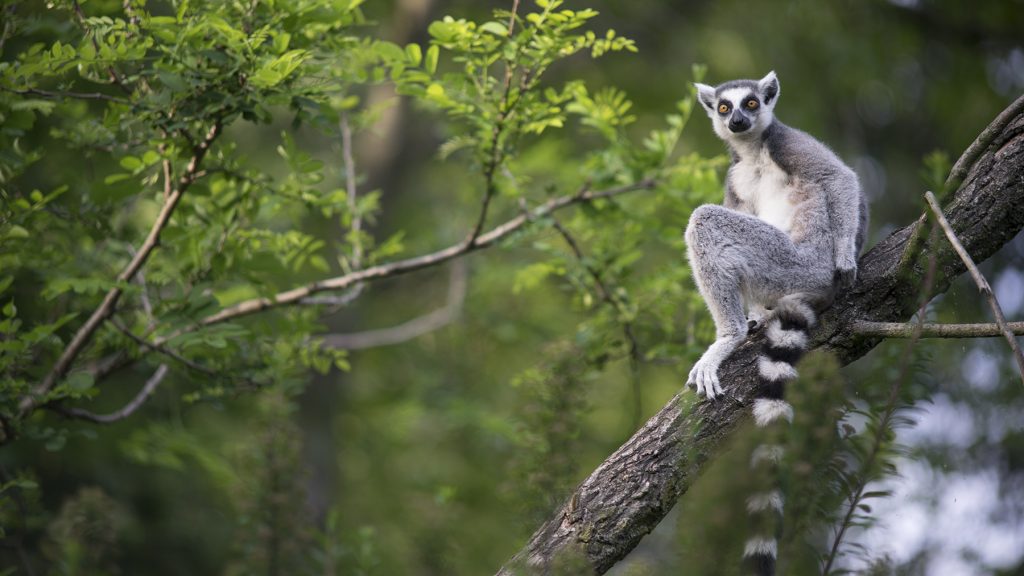
That afternoon, we set out on a three-hour guided walk through the lush evergreen forest of Analamazaotra Reserve (located alongside Andasibe-Mantadia National Park). The call of the indri, the largest of all lemurs, echoed through the trees, and when we finally spotted them high in the canopy, it was incredible, a true privilege. Their expressive faces and human-like gestures were captivating, and our guide explained that understanding their courtship dances and social behaviours is vital to conservation efforts.
Our two nights at Relais de Mantadia were filled with good food, laughter, and the sounds of the forest at night.
Leaving Andasibe, we drove through the countryside to Manambato, once a bustling holiday resort on the shores of Lake Rasoabe. From here, a covered motorboat transferred us along the legendary Pangalanes Canal to our next stop. This route, said to be the second longest canal in the world, is a continuous waterway of about 645 km in length, which leads from Tamatave, the northernmost end point, to the village of Farafangana in the south, running parallel to the Indian Ocean. There are so many aspects of life to see along the banks, unique to the people and culture of Madagascar – from women washing clothes in the shallows, to children paddling narrow wooden pirogues.
Our destination was Akanin’ny Nofy, meaning “Nest of Dreams”, on the shores of Lake Ampitabe — a fitting name for such an idyllic setting.
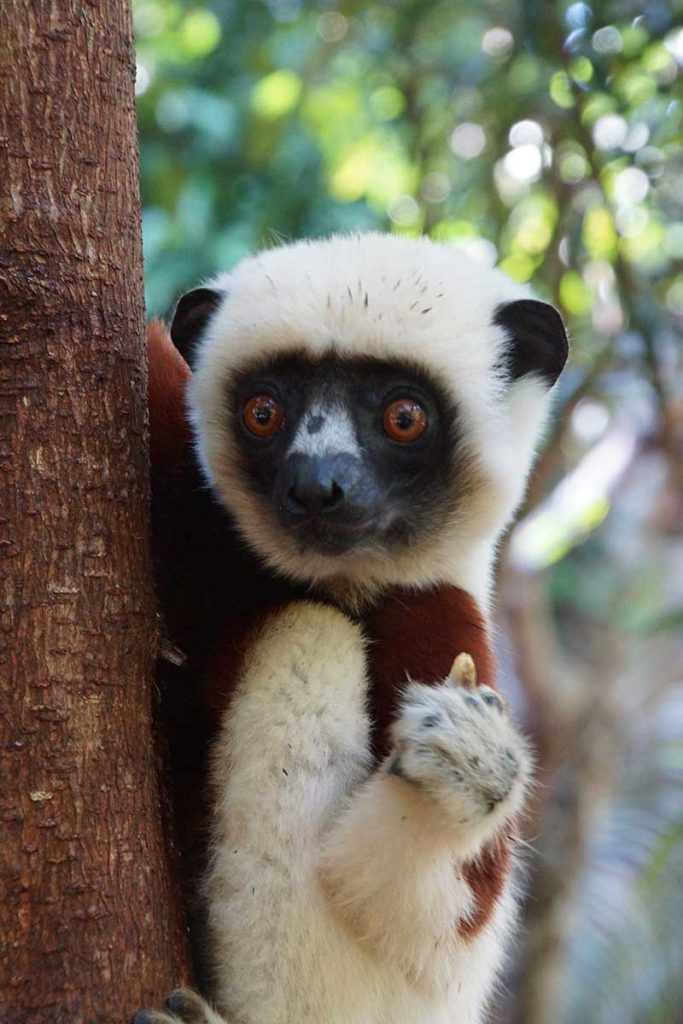
We stayed at Palmarium Beach Lodge, nestled amid palms and sand, with lake views so tranquil they seemed painted. The nearby Palmarium Reserve was an absolute highlight. Here, we were able to observe a variety of lemurs up close, from playful black-and-white ruffed lemurs, inquisitive crowned lemurs, and the gentle, wide-eyed sifakas leaping gracefully between trees.
That evening, we set out on a nocturnal walk in search of the elusive aye-aye, Madagascar’s strangest and most endangered lemur, which have been introduced to the island and are looked after, fed and guarded around the clock. With their spindly fingers and curious faces, they looked almost mythical. Watching them gnaw open coconuts in the still darkness was an unforgettable experience — the sounds of crunching husks amplified in the darkness, creating a sense of stillness in time.
From Akanin’ny Nofy, we continued to Toamasina (Tamatave), where we stayed at Hotel Beach 501, one of the best-known accommodations on the east coast of Madagascar. The following day we boarded a small charter flight north to Ile Sainte Marie, then took a short boat transfer across glassy turquoise waters to Ile Aux Nattes, a tiny island just off its southern tip.
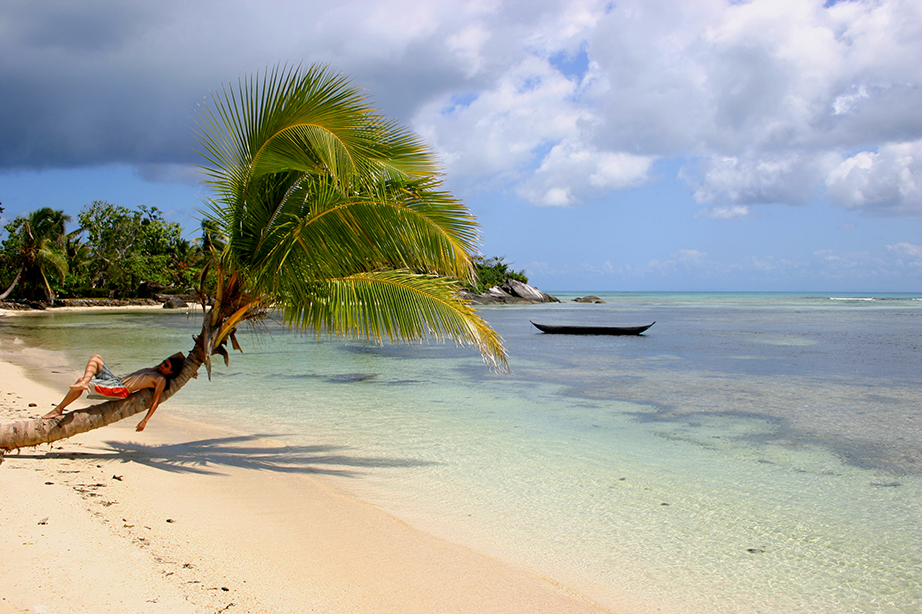
Staying at the delightful island resort of Sambatra Beach Lodge, we enjoyed the white sandy beaches, swaying coconut palm trees, and crystal-clear ocean waters. Known for its scenic beauty and remote serenity, our three families found plenty to do – from swimming, paddling, and exploratory hiking, to leisurely reading and relaxing along the quiet and shady beaches. This was a kind of heaven like no other!
Evenings brought everyone together at the beach bar – parents sharing travel tales while the teenagers enjoyed the evening chatter around the bar. The staff welcomed us with warmth and easy smiles; their joy and pride in their island were infectious.
After three blissful nights, we moved on to the main island of Ile Sainte Marie, a long, slender stretch of tropical beauty fringed by lagoons and coral reefs. Once a haven for pirates, the island has a colourful history and a fascinating cultural blend of Malagasy, Creole, and European influences.
We split our group between two exquisite lodges, Natiora and Samaria, each perched above their own picture-perfect coves. At Natiora, we had access to stand-up paddle boards and canoes and experienced some of the best snorkelling one could imagine while exploring the open waters.
While staying at Natiora, we learned about inspiring local conservation initiatives shaping the island’s future. The Tsara Kobaby project, which is working to create a vast terrestrial and marine protected area around Sainte-Marie. Through community patrols, forest monitoring, and training in sustainable livelihoods, the project is helping to weave conservation into everyday island life. Equally impressive is Projet Récif Île Sainte-Marie, which monitors coral reefs and marine ecosystems using globally recognised scientific methods.
Knowing that both land and sea are being carefully protected added a deep sense of appreciation to our time here – a reminder that this island paradise is also a living, breathing conservation story.
For our final stop, we rented two self-catering beach houses on the island’s quieter east coast to give us a completely different experience of Ile Sainte Marie. We hired scooters to explore the island, which was a highlight for the teenagers, who relished the freedom of exploring independently without the adults! Daily explorations included setting off along good, quiet roads to find hidden beaches and small villages.
We shopped for fresh local produce – fragrant vanilla, bright limes, coconuts, and just-caught fish – and cooked our meals together, often dining outdoors under a canopy of stars. We swam, snorkelled, browsed for souvenirs, and bought beautifully woven baskets and locally made crafts that now fill our homes with happy reminders of our time there. One evening, we celebrated a birthday at A-Varangue, a charming restaurant overlooking the sea. Its laid-back atmosphere, excellent food, and friendly service made for a perfect farewell dinner.
We loved the island’s ‘old-school’ charm and relaxed local vibe, we weren’t treated as intruders or outsiders, and we were never harassed by anyone. We were welcomed everywhere we went, and we all felt completely safe in our surroundings, even when riding or walking at night.
Our final day took us back to Antananarivo, where we returned to Hotel Nosy Manga for one last night. We shopped at the local craft market before leaving, making sure to spend the last of our Malagasy Ariary on locally made goods – hand-made jewellery, crafts, and specialty items, such as cinnamon and vanilla.
As we boarded our flight home, there was a collective sigh – that bittersweet blend of gratitude and reluctance that comes at the end of a truly special journey. We all agreed this was one of our best family holidays, and worthy of another visit in the not-too-distant future.
"Southern Africa reveals itself slowly and rewards patience with moments of extraordinary grace."

