Words – Warren Green (Warren Green & Associates)
Pics – Lemala Camps & Lodges
Operating lodges in some of Africa’s most pristine wildlife areas, you might expect Lemala’s story to be one told solely through binoculars and roaring lion sightings. But behind the brand is a quiet but powerful commitment to sustainability, community development, and authentic, regenerative travel. Under the visionary leadership of CEO Leanne Haigh, Lemala is redefining what it means to be a responsible safari operator in Tanzania.
A Vision Beyond Tourism
During a visit to Lemala’s Mpingo Ridge Lodge, perched high above the Tarangire Valley, it becomes immediately apparent that sustainability is more than a buzzword here — it’s woven into every detail. While the luxury tents offer every comfort imaginable, from indoor and outdoor showers to recycled-glass carafes of filtered water, the real story is in the infrastructure.
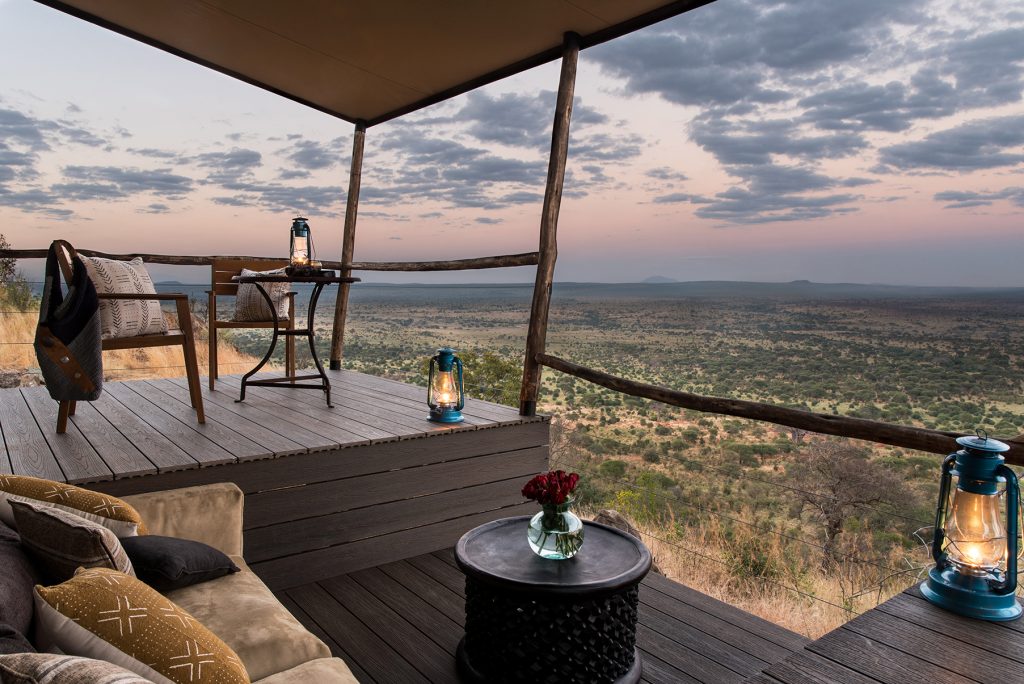
The lodge is built almost entirely from recycled materials, including 49 tons of motor vehicle steel. Composite decking made from recycled plastic and bamboo replaces traditional timber, and every lodge in the Lemala portfolio runs on solar power. Backup generators are rarely used, thanks to solar panels installed on staff housing, storerooms, and parking structures.
Water, one of the most critical resources in the dry savannah, is sourced via reverse osmosis. This system provides pure drinking water across all camps, eliminating the need for single-use plastic bottles, an initiative estimated to have prevented around 170,000 bottles from reaching landfills each year.
To make it even more personal, used wine bottles from the camps are sent to Arusha, where they are transformed into beautiful, hand-blown glassware by local artisans at Shanga, with Lemala purchasing back hundreds of pieces annually.
Transforming Communities Through Partnership
Lemala’s impact goes well beyond its camps. In the village of Mto wa Mbu, where most tourists simply pass through en route to Serengeti or Ngorongoro, Lemala partnered with a local community leader affectionately known as “Mr Sunday.” With support from Lemala, he established a guiding programme aimed at empowering young women living in poverty.
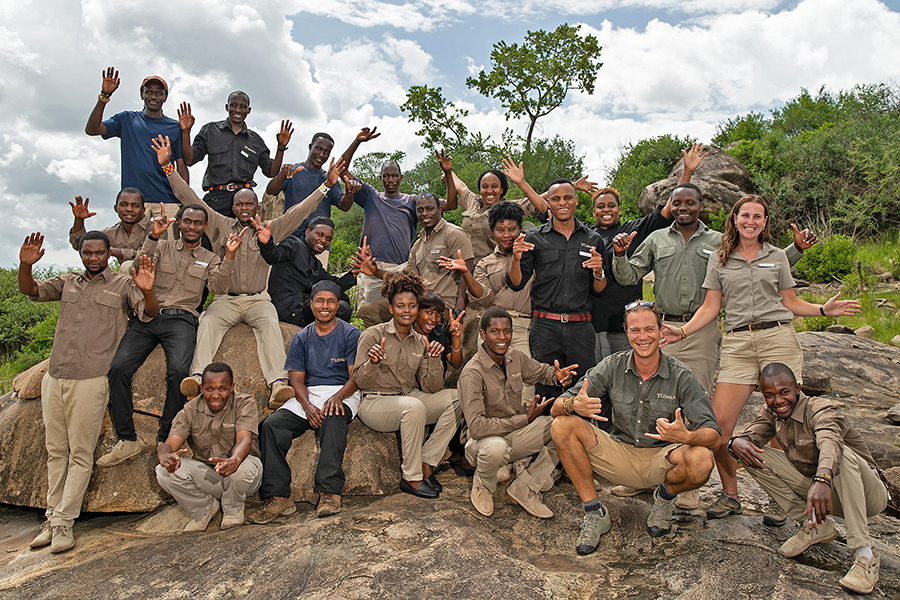
Initially shy and unsure, these women are trained to lead cultural tours through the vibrant backstreets of their town. One such guide, Mary Chopin, rose through the ranks — from hesitant local guide to Lemala’s first female safari guide at Nanyukie Tented Lodge in the Serengeti, after completing the company’s year-long guide training programme.
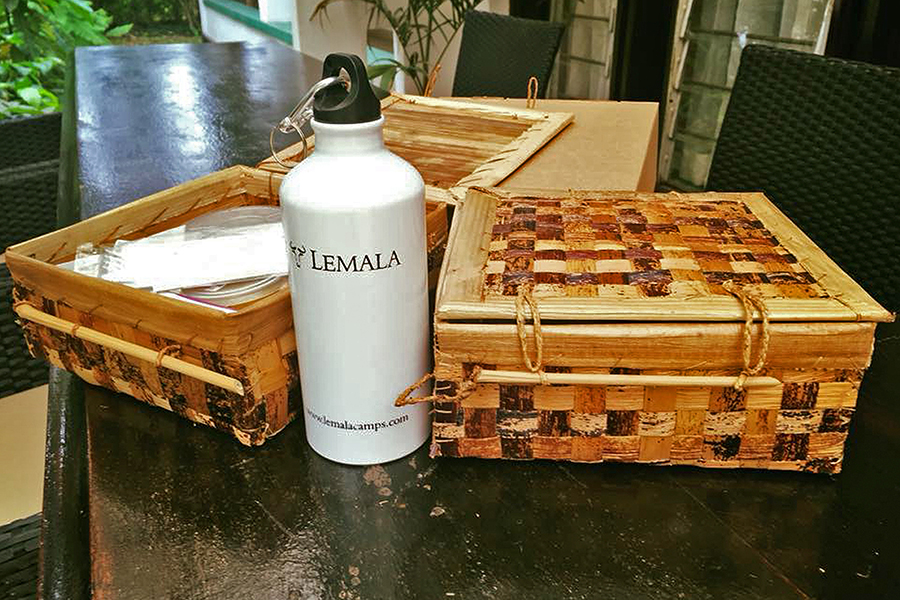
Lemala also supports a small enterprise producing handcrafted banana-fibre boxes used for guest amenities. Over the past year alone, the company has purchased more than 4,000 boxes, injecting over $13,000 into the local women-led initiative.
Cultural Connections with Purpose
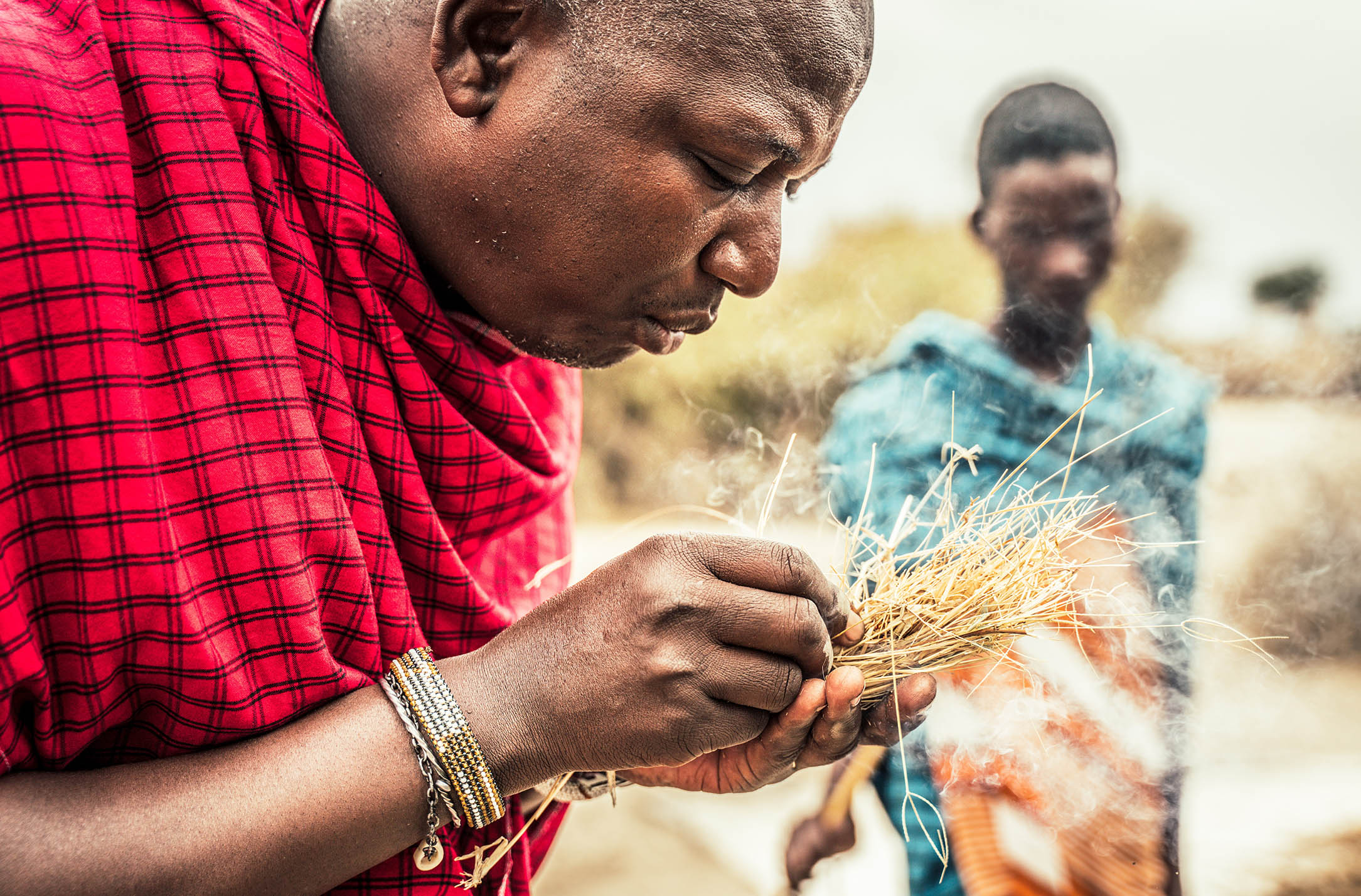
In a bold and meaningful collaboration with Chief Lubolu, a visionary Maasai leader in the Tarangire region, Lemala has also helped develop a cultural tourism initiative with long-term educational benefits. Tourists are invited to visit his manyata (homestead), where they engage in traditional crafts and learn about Maasai customs.
The proceeds from these visits, around $1,600 annually, have helped fund a classroom and contribute to a teacher’s salary. More significantly, Chief Lubolu’s mission is to ensure his community’s children, especially girls, receive an education. Despite local resistance, including the destruction of his water tanks in protest, he has remained steadfast, replacing them with concrete tanks and continuing to promote education for all.
Closing the Loop
Perhaps the most touching example of Lemala’s sustainable mindset is how it handles waste, even the waste left behind by others. Plastic bottles discarded by passing vehicles at Lemala camps are collected and repurposed into composite school desks. So far, 75 desks have been donated to local schools in Ngorongoro and Tarangire, turning pollution into opportunity.
Even Lemala’s smaller mobile-style tented camps, which lack the infrastructure of the main lodges, are supplied with clean water and recycled products from nearby permanent lodges like Kuria Hills and Nanyukie. This ensures a consistent sustainability standard across all their properties.
A Model for Responsible Tourism
Lemala is not simply “doing less harm.” It is actively creating benefits — for local communities, for ecosystems, and for travellers seeking meaningful, conscious experiences. Whether it’s eliminating single-use plastics, empowering the next generation of female guides, or constructing lodges from recycled materials, Lemala is proving that luxury and sustainability can walk hand in hand.
In a time when the tourism industry is increasingly being called to account for its impact, Lemala sets a powerful example of what responsible travel should look like. Their story is not just about five-star safaris or beautiful landscapes, it’s about people, purpose, and progress.
"Southern Africa reveals itself slowly and rewards patience with moments of extraordinary grace."


